
FBI Confirms Existence of Training Videos to Redact Epstein Files
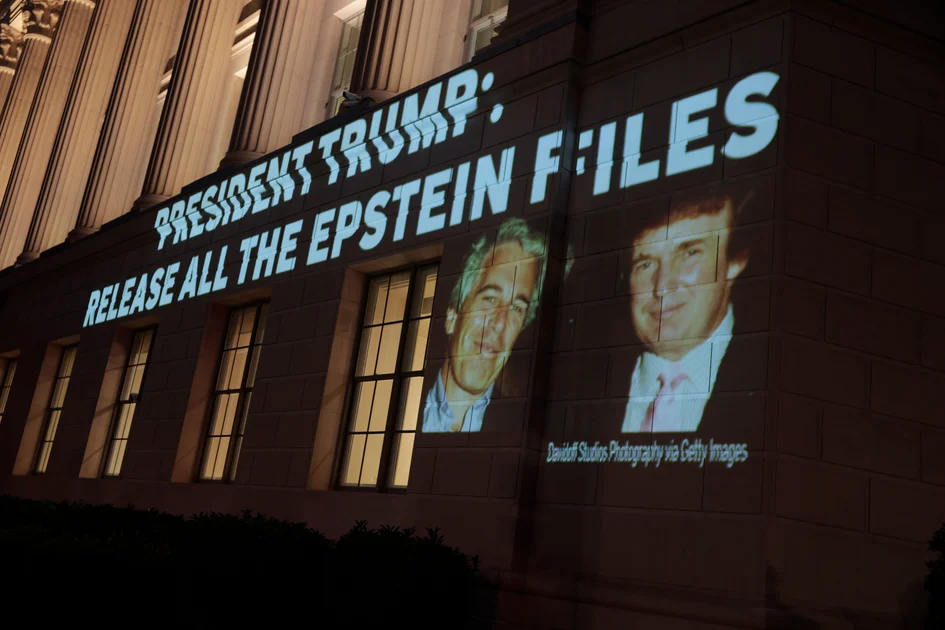
The FBI has formally admitted that its agents were trained to systematically redact mentions of Donald Trump and other sensitive information from the Jeffrey Epstein case files, according to evidence obtained by independent journalist Allison Gill after a year-long legal battle. In a stunning acknowledgment made public on Sunday, the bureau confirmed that specialized training videos—previously rumored but never released—were used to instruct federal agents on how to scrub documents related to Epstein’s child sex-trafficking network before their public release.
Gill, an award-winning podcaster, secured this admission through a Freedom of Information Act request and subsequent lawsuit against the government. According to her report, numerous FBI and Justice Department agents recounted being locked in buildings for 24- to 48-hour shifts to review hundreds of thousands of files, videos, and photographs. The instruction included using an Excel spreadsheet to log Trump’s name, page numbers, and document identifiers. Despite these efforts, Trump’s name appeared more than 38,000 times in the initial release. One tip sheet included an allegation from an unnamed source accusing Trump of forcing a 13- or 14-year-old victim to perform oral sex on him approximately 35 years ago in New Jersey.
The revelation adds to mounting pressure on the Trump administration as Acting Attorney General Todd Blanche faces a Senate confirmation hearing this week. The episode underscores deep-seated concerns about transparency and political interference in the Epstein case.
Why This Matters: Survivors and Senators Push for Accountability
The FBI’s admission comes at a volatile moment. President Donald Trump fired Attorney General Pam Bondi the day after the Justice Department agreed to share Epstein files with New Mexico, according to a timeline reported by emptywheel. New Mexico Attorney General Raúl Torrez has been seeking access to documents related to Epstein’s Zorro Ranch for over a year, but his requests were met with bureaucratic delays and broken promises.
Meanwhile, Epstein survivors are demanding that the Senate reject Blanche’s nomination. In a letter to Blanche dated Tuesday, Democratic Senators Chris Van Hollen and Patty Murray reminded him that he told a Senate subcommittee in May he would “absolutely” meet with survivors. More than two months later, no meeting has occurred. Survivors say their personal information—including nude photos—was exposed in the document release, while names of alleged abusers were redacted.
“Under Blanche’s leadership, their personal information was exposed while the names of alleged abusers connected with Epstein were redacted,” the senators wrote. They gave Blanche until July 28 to confirm a meeting date.
The stakes are high: Blanche’s confirmation hearing before the Senate Judiciary Committee begins Wednesday. Critics argue his role in delaying document releases and minimizing damage to Trump makes him unfit for the post. His legal battles include defending the administration against lawsuits filed by survivors under the Epstein Transparency Act.
Context: The Long Shadow of Epstein and Political Fallout
The Epstein saga has haunted U.S. politics for years. After Epstein’s death in 2019, conspiracy theories and demands for transparency have persisted. The Epstein Files Transparency Act, passed in 2025, forced the release of millions of pages. But the FBI’s admission of targeted redactions—particularly of Trump’s name—has inflamed bipartisan anger.
This week also saw the unexpected death of Senator Lindsey Graham, which President Trump used as a get-out-of-answering-questions-free card during a Sunday talk show appearance when pressed on escalating tensions with Iran. Critics say the administration is using distractions to avoid scrutiny of the Epstein cover-up.
Perspective: What This Changes for Transparency and Justice
The FBI’s confession represents a watershed moment for government accountability. It confirms long-held suspicions that the bureau actively engaged in political censorship. For survivors, the fight is far from over. Many feel betrayed by an institution that was supposed to protect them. The survivors’ video and billboard campaigns against Blanche signal a new phase of public pressure.
Internationally, the scandal could damage U.S. credibility in human rights and anti-trafficking efforts. Domestically, it amplifies debates about judicial independence and executive overreach. As Blanche’s confirmation hearing proceeds, the question remains: Can the Department of Justice regain trust when it has confirmed it trained agents to hide the truth?
For context on extreme weather risks linked to climate policy failures, see our coverage of Heat Death Crisis: England’s New Homes Risk Becoming ‘Death Traps’. For related political analysis, read Senator Banks Deploys ‘Invaders’ Theory in New Birthright Citizenship Bill.
Comments