
Woman Killed in Econlockhatchee River Alligator Attack
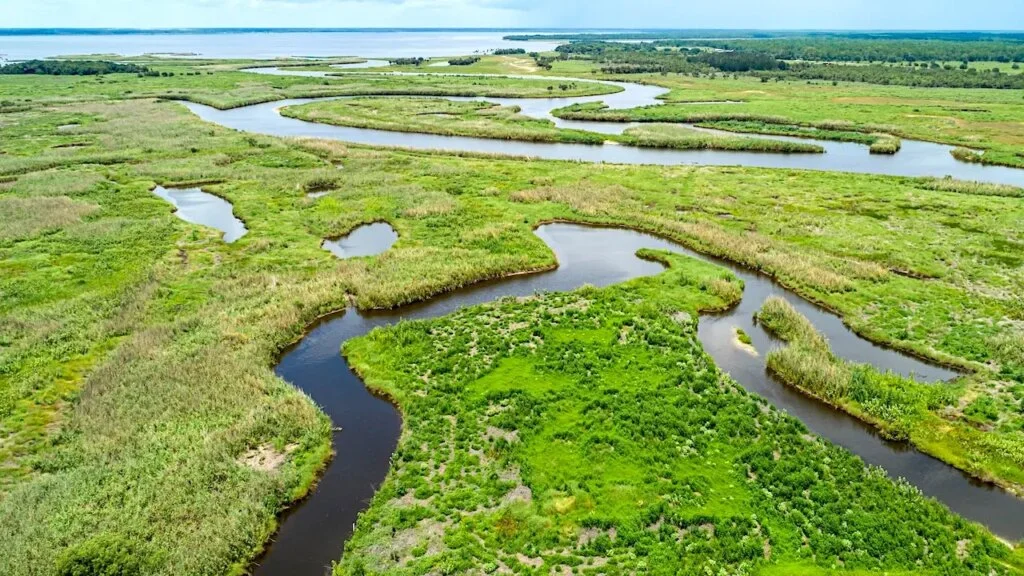
A 31-year-old Florida woman died Sunday after an alligator attacked her while she was wading in the Econlockhatchee River at Little Big Eco State Forest near Orlando. The incident, which occurred around 1:30 p.m., has prompted a closure of the Barr Street Trailhead and a DNA analysis of two captured alligators to determine which animal was responsible.
According to Lieutenant Grant Eller of the Florida Fish and Wildlife Conservation Commission (FWC), the victim was hiking with her boyfriend and best friend when they entered the river to cool off. While kneeling in approximately 3 feet of water, an alligator lunged and bit her arms. The boyfriend attempted to free her, dialing 911 as the attack unfolded.
A recording of the emergency call, obtained by NBC News, captures the chaos. A female caller can be heard telling the dispatcher, "Both her arms, both her arms, both her arms are off, like, basically." When asked if her arms were still attached, the caller described one arm as "hanging on by a thread" and the other as "gone."
Rescue workers transported the woman to a hospital, but she died before arrival. Authorities have not released her name, pending notification of out-of-state family members.
Mating Season and Drought Create Perfect Storm
FWC officials have not confirmed what triggered the attack, but they pointed to two converging environmental factors. "It’s the end of the mating season, and alligators are very territorial this time of year," Eller said. Additionally, a statewide drought has significantly lowered water levels across Florida, concentrating both wildlife and human recreation into smaller, shared spaces.
Nancy Palmer, a regular hiker on the trail, noted that alligator warning signs are posted in the area, and she recalled a specific spot "where a female gator hangs out." The confluence of low water and heightened aggression creates a higher-risk environment, particularly in waterways like the Econlockhatchee River, which flows through Seminole County and is popular with hikers and paddlers.
The FWC and Seminole County Sheriff’s Office responded by harvesting two alligators from the vicinity—one 13 feet long and another 12 feet. DNA samples have been sent to a state lab to match the attacker. It remains unclear whether the woman’s party spotted the animal before entering the water.
Broader Context of Alligator Encounters
Fatal alligator attacks are rare in Florida, but they tend to spike during warm months when both reptiles and people are most active. According to the FWC, the state has recorded an average of fewer than one fatal attack per year over the past decade. However, the combination of drought and development pushing human-wildlife contact closer has raised concerns.
The Econlockhatchee River attack is part of a series of incidents over the past week. A separate report from Ukrainian news agency UNN noted that a series of alligator attacks across the United States resulted in one death and three injuries, though details on the other cases remain scarce.
In a related development, a child was injured in a separate alligator incident over the same weekend, as reported by Fox News. While that case did not occur on the Econlockhatchee, it underscores a pattern of elevated danger as the Fourth of July holiday approaches and more families head outdoors. The FWC recommends that visitors to freshwater areas maintain a safe distance from the water's edge, avoid swimming at dawn or dusk, and never feed alligators—a practice that can cause them to lose their natural fear of humans.
Implications for Outdoor Recreation
This tragedy arrives as Florida prepares for its busiest tourism season, with record heat and drought conditions persisting. The attack may prompt state parks and the FWC to reassess signage and public guidance, particularly on rivers like the Econlockhatchee where shallow water offers little buffer between people and wildlife.
Outdoor enthusiasts are being urged to exercise heightened caution. The incident also highlights a national conversation about climate-driven shifts in wildlife behavior. With water levels declining across the Southeast, alligators are forced into smaller ranges, increasing the likelihood of encounters. The National Weather Service has issued heat advisories across Florida, and many residents are seeking relief in natural water bodies—exactly where alligators are most active.
In the wake of the attack, local officials have reiterated that warning signs are posted, but visibility may vary depending on trails and weather conditions. As the investigation continues, the victim’s identity remains sealed, and the community of Orlando is left grappling with a sudden, violent loss that has drawn national attention.
The FWC encourages anyone who encounters an aggressive alligator to report it immediately. In the meantime, the Barr Street Trailhead will remain closed as authorities continue their work and the public processes the gravity of what occurred on a seemingly ordinary Sunday afternoon.
For more on public safety and environmental shifts, see our coverage of the Northern Lights Forecast: 19 US States May See Aurora Tonight After Solar Eruption.
Comments