
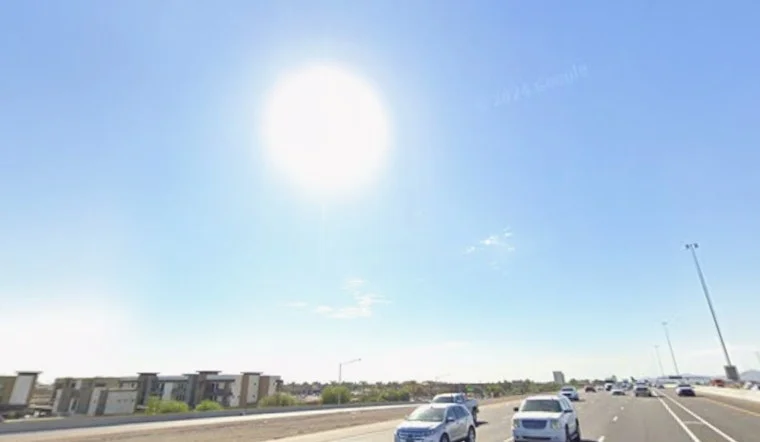
Phoenix Shatters Heat Record as Extreme Heat Warning Blankets the Southwest
The Southwest United States is in the grip of a punishing heat wave that shows no signs of abating, with Phoenix, Arizona, setting a new daily record of 117 degrees Fahrenheit on Friday, July 24, 2026. This extreme heat, driven by a stubborn ridge of high pressure centered over Arizona, has prompted the National Weather Service to issue an Extreme Heat Warning that stretches across vast portions of the region, including metropolitan Phoenix, the Grand Canyon, Lake Havasu, and many communities in between. The warning remains in effect through at least Monday evening, with some areas under alert until Tuesday.
The blistering temperatures are not an isolated event. Las Vegas recorded its hottest day of the year on Friday, reaching 114°F, and forecasts indicate that the mercury will climb even higher over the weekend. In California’s Coachella Valley, highs are expected to peak on Saturday between 115°F and 120°F. The combination of record-breaking daytime heat and exceptionally warm overnight lows—often in the upper 80s and low 90s—offers little relief, creating what meteorologists describe as a “dangerous” and “oppressive” heat event. The heat risk across the Mojave Desert is classified as Major to Extreme, with numerous daily temperature records potentially in jeopardy.
Widespread Impacts and Minimal Relief Across the Region
Arizona: Record Lows and Widespread Warnings
Arizona remains the epicenter of the heat wave. The city of Phoenix not only broke the 2023 record for a July 24 high but also tied the morning low temperature record at 97 degrees, a stark indicator that there is no respite even after sunset. The Extreme Heat Warning in the state is expansive, covering areas from the Grand Canyon Country and Marble and Glen Canyons to the lower deserts of Yuma County and the urban core of Phoenix. Suburbs like Scottsdale, Glendale, Mesa, and Chandler are all under the same warning.
Monsoonal moisture is adding a layer of complexity to the heat. While the primary hazard remains the extreme temperatures, scattered thunderstorms are expected to develop along northern and eastern Arizona. These storms bring the threat of strong winds, blowing dust, and lightning. In Phoenix, storm chances rise to 20% from Saturday evening through Monday, and while rain may bring temporary cooling in some areas, it also raises the risk of flash flooding. Dew points in the 50s and 60s are making conditions feel even more oppressive, especially for those without adequate air conditioning.
Las Vegas: Hottest Weekend of the Year
In Southern Nevada, Las Vegas is experiencing its hottest weekend of 2026. The high on Saturday is expected to reach 113°F, with Sunday and Monday hovering around 112°F and 111°F respectively. Overnight lows will barely dip below 91°F, placing a constant strain on infrastructure and health. While monsoonal moisture lingers over the region, storm activity is expected to be minimal, with most showers and thunderstorms confined to the mountains. The valleys, including the Las Vegas Strip, will see clear skies and unrelenting sun.
The National Weather Service has issued First Alert Weather Days through Monday, underlining the severity of the event. The prolonged nature of the heat—combined with very little nighttime cooling—makes this particularly dangerous for vulnerable populations, including the elderly, unhoused individuals, and those with preexisting health conditions. Officials are urging residents to stay hydrated, take frequent breaks in air conditioning, and check on neighbors.
California’s Coachella Valley: Major to Extreme Heat Risk
Further west, the Coachella Valley is facing a similar ordeal. An Extreme Heat Warning remains active through Monday evening, with highs expected to peak around 117°F on Saturday—just three degrees shy of the all-time record for the date. Meteorologist Katie Boer reports that lingering monsoonal moisture has pushed dew points into the 60s and even 70s in some areas, making the heat feel even more unbearable.
The heat risk is rated as Major to locally Extreme. With overnight lows remaining in the upper 80s and low 90s, the body has little chance to recover. Cooling centers have been activated across the region, but the demand for relief is high. Residents are advised to limit outdoor activity between 10 a.m. and 6 p.m., wear lightweight clothing, and never leave children or pets in vehicles.
The Science of Heat Domes and a Changing Climate
This extreme heat event is part of a recurring weather pattern known as a heat dome, where a strong ridge of high pressure traps hot air over a region, preventing cooler air from moving in. The high pressure compresses the air, which heats it further, creating a feedback loop that intensifies the heat. Such events have become more frequent and more intense in recent decades, a trend widely attributed to global warming.
Meteorologists note that this particular heat dome is unusually strong and persistent. While some relief is forecast for early next week—with temperatures in Phoenix dipping to around 110°F and in the Coachella Valley to roughly 113°F—these levels are still well above normal and far from comfortable. By late next week, forecast models suggest a ridge of high pressure will reform, pushing temperatures back into the 110s across the Southwest.
For comparison, the current heat wave is reminiscent of the catastrophic summer of 2023, when Phoenix recorded 31 consecutive days of temperatures at or above 110°F. While this year’s event may not set a record for consecutive heat days, its intensity and timing at the peak of summer are cause for serious concern. The persistence of such weather patterns has led to increased scrutiny of climate resilience measures, including the adequacy of power grids, water supplies, and public health infrastructure.
A recent Massive Power Disconnect in Northern Virginia Raises Grid Stability Fears highlights how extreme weather can stress electrical systems. While that incident occurred in a different region and involved grid maintenance, it underscores the fragility of energy infrastructure when faced with unprecedented demand—a lesson that is particularly relevant as air conditioners across the Southwest run nonstop.
Health and Safety: What Residents Must Know
Public health officials are emphasizing that this is not a typical summer heat spell. The combination of record or near-record daytime highs and elevated overnight lows creates a cumulative stress on the human body. Heat-related illnesses such as heat exhaustion and heat stroke can develop rapidly, especially in those without access to cooling.
Key recommendations from the National Weather Service and local authorities include:
- Stay hydrated: Drink water regularly, even if you do not feel thirsty. Avoid alcohol and caffeine, which can dehydrate the body.
- Seek air conditioning: Spend time in air-conditioned spaces as much as possible. If your home lacks cooling, visit a public cooling center, library, or mall.
- Check on neighbors: Elderly individuals and those with chronic illnesses are at heightened risk. A simple phone call or visit could save a life.
- Never leave children or pets in vehicles: The temperature inside a parked car can rise to lethal levels within minutes.
- Limit outdoor activity: If possible, postpone strenuous activities. If you must be outside, wear lightweight, light-colored, and loose-fitting clothing, and take frequent breaks in the shade.
In Las Vegas, city workers and first responders are conducting wellness checks on homeless encampments, distributing water and sunscreen. In Phoenix, emergency services are reporting an uptick in heat-related calls. The situation is being monitored closely, and additional resources may be deployed if the heat warning extends beyond Monday.
Broader Implications: A Summer of Extremes
This extreme heat event fits into a broader pattern of summer extremes across the United States. While the Southwest burns, other regions are grappling with different crises. For example, the recent Grahams Family Dairy Milk Recall: Urgent Warning Over Antibiotics Contamination shows how heat can affect supply chains and food safety—a reminder that extreme temperatures do not just threaten human health but also the systems we rely on for daily life.
Moreover, the heat wave is affecting agriculture, tourism, and energy consumption. The demand for electricity is soaring as millions crank up their air conditioners, putting strain on power grids that are already facing challenges from aging infrastructure and the transition to renewable energy. In some areas, rolling blackouts have been narrowly avoided.
Economically, the heat wave is costing businesses in lost productivity and increased operational expenses. Construction crews are working reduced hours, outdoor events are being canceled or rescheduled, and retailers are seeing a spike in sales of fans and portable coolers. At the same time, the tourism industry in places like Phoenix and Las Vegas is bracing for potential declines as travelers reconsider visiting during such extreme conditions.
For those interested in other news unfolding during this heat event, the departure of WBZ-TV Reporter Samantha Chaney Departs After Two Years, Next Move Unknown has been a topic of discussion in media circles, though unrelated to the weather. Such stories are a reminder that life continues amid the crisis, and local news outlets are working hard to cover both the heat and the broader community.
Looking Ahead: When Will It End?
Forecast models indicate that the heat ridge will begin to weaken slightly by Tuesday, July 28, with temperatures dropping by a few degrees. However, “cooler” remains relative: highs in Phoenix and Las Vegas will still hover around 110°F to 112°F, and overnight lows will remain in the 90s. By late next week, a new ridge of high pressure may form, potentially ushering in another round of temperatures in the 110s.
The National Weather Service has emphasized that this period of extreme heat is expected to continue through at least Monday, with conditions slowly moderating thereafter. But the message is clear: this is a prolonged, dangerous heat event with significant health and infrastructure risks. The public is urged to take the warnings seriously and to plan accordingly.
As the Southwest endures this latest heat wave, the question of long-term adaptation looms large. Cities are investing in reflective pavements, shade structures, and cooling centers, but these measures may not be enough if heat waves continue to intensify. The coming days will be a test of community resilience, and the lessons learned could shape how the region prepares for an even warmer future.
Comments