
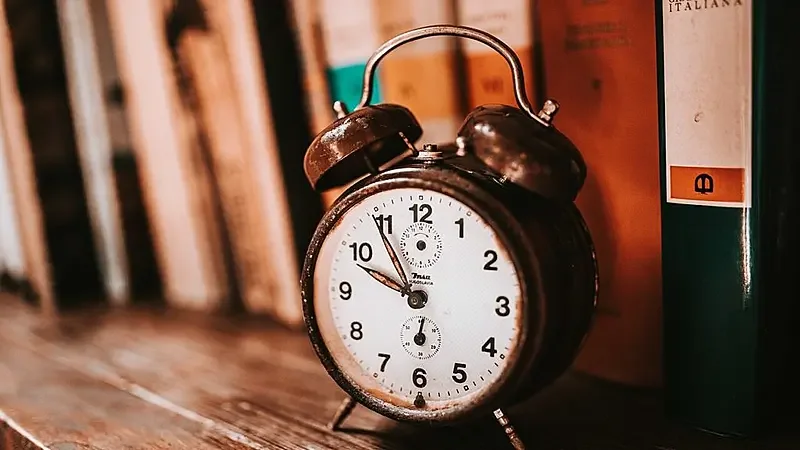
UK Clocks Go Back Tonight — Extra Hour of Sleep Confirmed
Britain switches from British Summer Time (BST) to Greenwich Mean Time (GMT) at 2am on Sunday 25 October 2026, meaning the clocks will go back one hour and most people in the UK will gain an extra hour of sleep overnight. The change happens when 01:59 BST becomes 01:00 GMT, giving anyone not working a night shift a welcome lie-in—and marking the official start of darker evenings and colder mornings.
The short answer to the question many are asking tonight is yes: you do get an extra hour of sleep. But the longer answer involves analogue clocks, automatic smartphone updates, and a body clock that does not reset quite as quickly as the time on your phone.
When exactly do the clocks change?
The shift takes place at 2am on Sunday 25 October. Greenwich Mean Time always begins at 2am on the last Sunday of October, which then becomes 1am. Most electronic devices—smartphones, laptops, smart TVs, and tablets—should adjust automatically, but older devices and manual watches will need to be changed by hand. The UK will remain on GMT until Sunday 28 March 2027, when the clocks go forward again by one hour to BST.
The Extra Hour Is Real — But Your Body Clock Won't Instantly Follow
While the extra hour in bed sounds like a good deal, sleep scientists warn that the autumn time change can still disrupt the body's internal timing system. The circadian system—the roughly 24-hour internal clock that helps organise tiredness and alertness—does not instantly reset just because the time on a clock has changed. Some people may find themselves waking up earlier than normal or feeling ready for bed before their evening has properly begun.
The reason lies partly in the suprachiasmatic nucleus (SCN), a tiny region in the brain that acts as the body's master clock and uses light signals from the eyes to keep circadian rhythms on track. Bright evening light can suppress melatonin, the hormone that signals biological night, and shift the internal clock later. Even the light from phones and e-readers can contribute to melatonin suppression, which is why experts recommend dimming lights and reducing screen brightness before bedtime.
How to help your body adjust
The Independent reports that there are practical steps to support the body clock during the transition. Dimming the lights before bedtime and keeping the bedroom as dark as practical during sleep can help. Getting daylight—especially morning light—strengthens the contrast between bright days and dim evenings, which helps synchronise the circadian system. A walk, an outdoor lunch break, or simply spending more time outside can make a difference.
People who become sleepy and wake too early may benefit from shifting their body clock a little later by winding down only before the bedtime they want, rather than spending the entire evening in darkness as soon as the sun sets.
Why the Clock Change Still Matters
The biannual clock change remains in place across the UK despite periodic debate about scrapping it. There are currently no plans to abolish the system, which has survived short periods during World War Two and the 1968 to 1971 experiment with all-year-around BST. Most of Europe also turns its clocks back on the same day as the UK in 2026, so the change is not confined to one country.
The history of daylight saving time stretches back further than many realise. Benjamin Franklin is widely credited with the idea of changing clocks for summer and winter, first proposing it in a letter written while living in France in the 1790s. The idea did not catch on until the early 1900s, when a builder named William Willett—supposedly annoyed that his golfing would be interrupted by the sun going down earlier—campaigned in Britain to change the clocks. Willett, who was Coldplay singer Chris Martin's great-great-grandfather, died of influenza in 1915, but a year after his death, Daylight Saving Time was adopted by the German army during the First World War as a way of saving energy. Other European countries followed, including the UK.
The trade-off: darker mornings
The practical effect of the shift is simple enough, but winter still arrives with darker mornings. In some parts of Scotland, the sun rises around 08:45 GMT in the second half of December—the equivalent of 09:45 BST. That is the trade-off built into the shift: an extra hour of light in the morning comes at the cost of earlier sunsets in the evening, and vice versa.
What This Means for Your Sunday — and the Months Ahead
For most people, the main job tonight is checking anything that still runs on manual time. Smartphones will often change automatically, so the priority is analogue watches, wall clocks, car dashboards, and older appliances. The change also serves as a reminder that the winter months bring shorter days, colder temperatures, and darker commutes.
Beyond the practical adjustments, the clock change offers a moment to think about sleep health. The extra hour is a gift, but it can also throw off routines—particularly for children, shift workers, and anyone who already struggles with sleep. Sleep experts generally recommend keeping a consistent wake-up time and getting morning light to help the body adapt within a few days.
The clocks do not go forward again until Sunday 28 March 2027, so the UK will be on GMT for the next five months. For tonight, though, the message is simple: set your manual clocks back one hour, let your devices do the rest, and enjoy the extra hour in bed—your body clock will catch up eventually.
Comments