
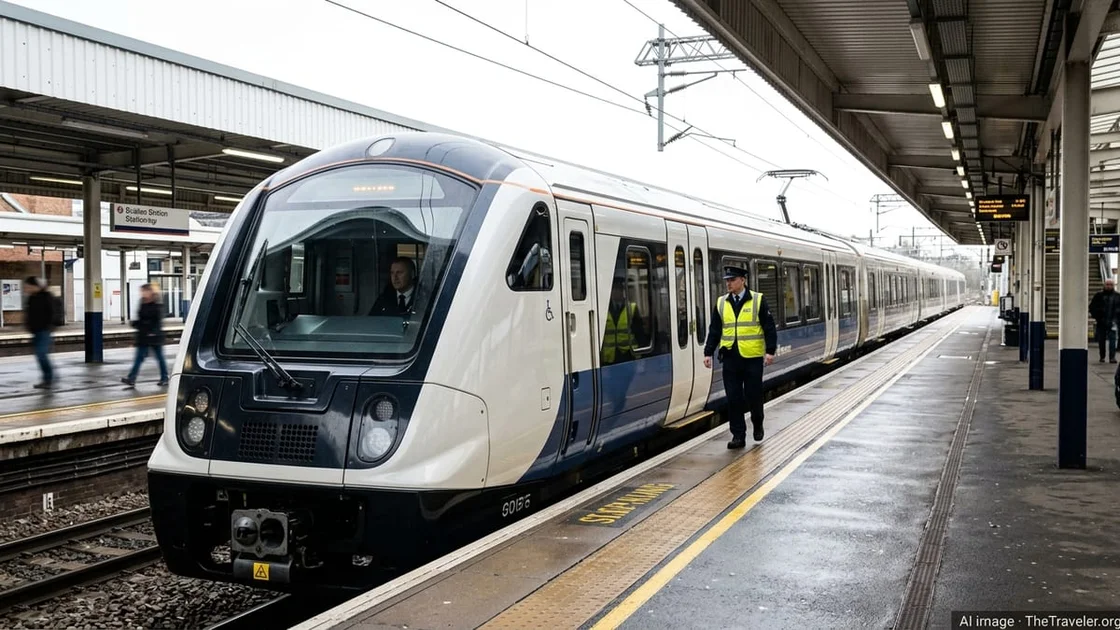
Technical Fault Paralyzes Elizabeth Line and Major Rail Networks
Passengers across London and the UK faced significant disruption on Tuesday, May 19, 2026, after a critical failure of the railway's communication systems brought trains to a near standstill. The fault, which struck just after 1:00 PM, primarily affected the radio network that enables train drivers to communicate with signallers. As a result, services on the Elizabeth line, London Overground, Great Western Railway (GWR), and numerous other operators were forced to operate at reduced speeds for safety reasons.
Network Rail teams worked to resolve the issue, and National Rail confirmed the problem was fixed shortly before 2:00 PM. However, residual delays and cancellations continued throughout the afternoon, with full recovery expected only by 6:00 PM. The Elizabeth line, in particular, experienced severe delays across its entire length, compounding the frustration for commuters during a busy afternoon travel period.
Impact on Key Routes
The communication system outage was described by National Rail as a problem with the radio system used by drivers to connect with signallers at various signalling centres. This forced trains to run more slowly, leading to extended journey times. Affected operators included:
- Elizabeth line: Severe delays reported across the entire line.
- London Overground: The Lioness line experienced severe disruption.
- Great Western Railway: All services across the network were disrupted, with trains initially brought to a standstill.
- Heathrow Express: Services faced delays, adding to pressure on airport transport links.
- Other operators: Avanti West Coast, CrossCountry, East Midlands Railway, LNER, Northern, South Western Railway, and TransPennine Express all reported delays.
A Reminder of Infrastructure Fragility
The incident highlights a growing vulnerability in the UK's rail network: its heavy reliance on seamless digital communication. The 30-minute outage of the radio control network was enough to cascade delays across hundreds of trains. GWR noted that even after the system came back online, trains and crew were displaced, leading to congestion and short-notice cancellations.
Why This Matters: The Stakes for London's Transport
This disruption comes at a critical juncture for London's transport infrastructure. The Elizabeth line, which opened to great fanfare, has become a backbone of cross-London travel. Its vulnerability to network-wide communication failures raises questions about redundancy and backup systems.
TfL's Heathrow Ambitions and Capacity Challenges
This week also saw Transport for London (TfL) make a formal submission regarding the future of the Heathrow Express. As the 2028 deadline for a potential takeover looms, TfL argues that more must be done to improve public transport options around Heathrow if the airport expands. The Piccadilly line, currently the original rail link to Heathrow, is awaiting a new fleet of trains, but a full signalling upgrade remains unfunded. The recent communication failure underscores the fragility of the rail network that TfL hopes to rely on for future airport capacity.
For passengers, the disruption was a stark reminder of how even short technical glitches can have long-lasting effects. The incident also comes amid broader weather concerns: experts are monitoring a Super El Niño set to reshape 2026 hurricane season, which could further test the resilience of transport networks.
Broader Implications: The Cost of Digital Dependency
This event is more than a single-day disruption. It reflects a systemic risk: modern rail services are increasingly dependent on uninterrupted technology. The failure of a communication system for just half an hour led to hours of delays across multiple operators.
Lessons for Network Resilience
The incident should prompt a review of failover protocols. While trains still ran, the mandatory speed restrictions caused ripple effects that lasted hours. For the Elizabeth line, which TfL sees as a solution to airport capacity, incidents like this highlight the need for robust backup communication systems.
Investors and policymakers are taking note. As global tech rotations continue, the stability of public infrastructure is a key concern. In a separate but related trend, Bill Ackman dumps Alphabet, piles $2.1B into Microsoft in a major tech rotation, indicating a shift toward companies that support critical infrastructure resilience.
For the ordinary commuter, the advice remains: check live travel updates and allow extra time. While the communication fault has been resolved, the incident serves as a clear warning that as rail networks become smarter, they may also become more vulnerable to unexpected technical failures.
Comments