
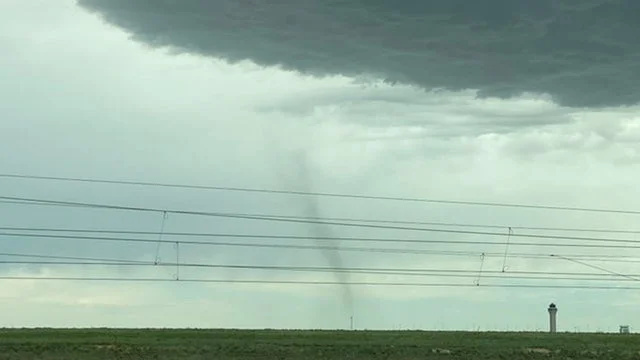
Afternoon of Alerts: Tornado Watch Expires, Warning Issued for Eastern Plains
A tornado watch that covered the Denver metro area and the Eastern Plains expired Monday evening after a series of severe thunderstorms rolled through Colorado, but not before a separate tornado warning sent residents in eastern Elbert County and north central Lincoln County scrambling for cover. The National Weather Service in Boulder reported that a severe thunderstorm capable of producing a tornado was located seven miles west of Limon, moving east at 20 mph. That warning remained in effect until 6:45 p.m., even as the broader watch for the metro region was allowed to lapse.
The storms, which struck Monday afternoon, dumped heavy rain and pockets of hail across the Denver area. The NWS also issued a severe thunderstorm warning for Adams, Arapahoe, and Morgan counties until 6:15 p.m., warning of 60 mph winds, quarter-sized hail, and the possibility of a tornado. By 6 p.m., travel had become chaotic: Denver International Airport reported 837 delays and four cancellations, with the FAA imposing a ground delay program until 9 p.m. due to the severe weather.
Denver’s ‘Inadvertent’ Siren Activation Adds to Confusion
In a moment of unintended drama, the City of Denver inadvertently triggered its outdoor tornado warning sirens shortly after 5 p.m., even though no tornado warning was in effect for the city itself. The Denver Office of Emergency Management acknowledged the mistake on social media, stating: "@CityofDenver is aware that outdoor warning sirens were activated inadvertently today. There is currently no tornado threat to public safety." Officials urged residents to rely on official sources such as @NWSBoulder for emergency weather information and alerts.
The false alarm came at a tense time, as the metro area remained under a tornado watch until 9 p.m. and many residents were already monitoring the skies. The incident highlighted the delicate balance between rapid public alert systems and the risk of causing unnecessary panic. Locals took to social media with a mix of confusion and relief, as the sirens are typically reserved for confirmed tornado threats. The city did not immediately explain what caused the accidental activation.
Why It Matters: Severe Weather Season Continues to Challenge Communities
Monday’s events underscore the volatility of severe weather season in Colorado, where spring and early summer thunderstorms frequently spawn tornadoes, hail, and damaging winds. The National Weather Service had been tracking a favorable setup for supercell thunderstorms throughout the afternoon, and the alerts reflected that heightened risk. The 2026 season has already seen several notable outbreaks across the central and southern Plains, with meteorologists warning that climate factors may be extending the typical severe weather window.
For residents in the Eastern Plains, the warning near Limon was a stark reminder of the need for rapid shelter. Rural communities in Lincoln and Elbert counties have historically been vulnerable to tornadoes, with limited warning times and fewer storm shelters in some areas. The NWS emphasized that even with advanced radar technology, tornadoes can develop quickly, making every second count. Meanwhile, the delays at DIA affected thousands of travelers, illustrating how severe weather can ripple across industries from aviation to logistics.
Broader Implications: Accuracy and Public Trust in Alert Systems
The inadvertent siren activation in Denver raises questions about the reliability and coordination of emergency alert infrastructure. While such systems are designed to save lives, false alarms can erode public trust and desensitize people to future warnings. This incident is not unique: cities like Dallas and Chicago have experienced similar malfunctions in recent years, prompting reviews of hardware and software protocols. In an era of climate-driven weather extremes, ensuring that alerts are both timely and accurate is more important than ever.
In a related development that speaks to the dedication of weather professionals, an Arkansas meteorologist named Noah Simmons stayed on air tracking tornado warnings for Fort Smith even as a lamp in the studio caught fire. He calmly continued reporting while smoke thickened, a viral moment that highlighted the critical role of local meteorologists during severe weather events. Such stories remind us that behind every warning is a human effort to keep communities informed, even in the face of personal danger.
Looking Ahead: What This Changes for Preparedness
The June 8 events may prompt Denver and other municipalities to re-examine their siren testing and activation procedures. Clearer communication protocols and public education campaigns could help reduce confusion during fast-moving weather events. Meanwhile, meteorologists continue to stress that residents should have multiple ways to receive warnings—such as smartphone alerts, NOAA weather radios, and local news—rather than relying solely on outdoor sirens.
As the 2026 tornado season continues, the lessons from Colorado are clear: accurate, layered communication is the best defense against nature’s unpredictability. For now, the Eastern Plains can breathe easier as the watch expires, but the memory of a siren that sounded without a storm will linger.
This article includes references to broader weather trends and community resilience. For further reading on how unexpected events shape public policy, see Thune Rejects Trump’s Demand to Fire Senate Parliamentarian: ‘Hard Job’.
Comments