
Lib Dems Ride Wave of Anti-Government Sentiment as Labour Collapses
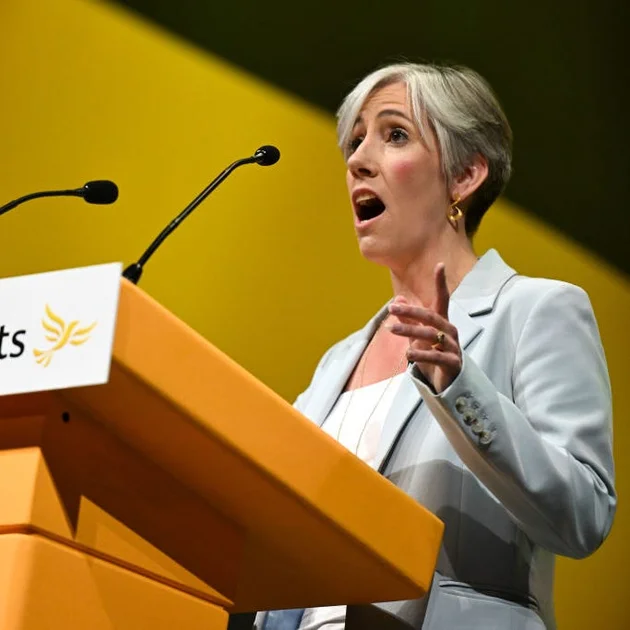
As local election results pour in on May 8, 2026, Liberal Democrat deputy leader Daisy Cooper has emerged as a key figure in a night of seismic shifts in British politics. While Labour and the Conservatives haemorrhage seats to Nigel Farage's Reform UK, Cooper's party has made steady gains—particularly in London and the South East—positioning themselves as the primary alternative for disillusioned centrist voters.
Early declarations show the Liberal Democrats gaining 35 councillors nationally, with a clean sweep in Richmond upon Thames and strong performances in other London boroughs. Cooper, who serves as MP for St Albans, has been at the forefront of the campaign, hammering home a message of competence and localism in contrast to what she calls Labour's "broken promises."
Lib Dem Gains in London Stand Out
In the capital, the Liberal Democrats won every seat in Richmond upon Thames, the first London result of the night. The party also made significant inroads in Sutton, Kingston, and parts of Southwark. According to the latest data, the Lib Dems now hold 230 council seats nationally, up 35 from the previous cycle.
Cooper's strategy has focused on campaigning heavily in target wards where Labour voters were seen as ripe for defection. "This is a vote for a positive, liberal alternative to a failing government and a divided opposition," Cooper told party activists early Thursday morning.
Why It Matters: Labour's Worst Night in Decades
The local elections have been a disaster for Prime Minister Keir Starmer. Labour has lost control of at least nine councils, including symbolic losses in Westminster and Wandsworth. The party has shed more than 240 councillors by dawn, with projections suggesting losses could exceed 1,500 seats once all results are in.
Labour MP Jonathan Brash, whose wife lost her Hartlepool seat to Reform, called on Starmer to set out a timetable for his departure. Former Labour leader Ed Miliband reportedly urged the Prime Minister to do the same privately. Even suspended Labour MP Karl Turner described Starmer as "more toxic on the doorstep than Jeremy Corbyn ever was."
Deputy Prime Minister David Lammy urged the party not to "pass the parcel" with the leadership, but admitted Labour "will be out on our backsides" at the next general election if voters do not feel change. The results have raised serious questions about Starmer's ability to lead the party into the next general election, with many expecting a leadership challenge in the coming weeks.
Reform UK's Landslide Overshadows Everything
While the Lib Dems celebrate, the big story remains the explosive rise of Reform UK. Nigel Farage's party has won 305 council seats so far, taking control of its first council in Newcastle-under-Lyme and sweeping Hartlepool, Redditch, and Tameside. Farage described the night as "historic change in British politics" and claimed his party is on course for a general election victory.
Reform's gains have come disproportionately at Labour's expense, but the Conservatives are also bleeding support. The Tories lost control of several councils, including some traditional strongholds in the Midlands and the North. Conservative leader Kemi Badenoch has signalled openness to working with Reform in future pacts, a move that has drawn sharp criticism from the Liberal Democrats.
"Badenoch is willing to put Farage in No 10," Cooper warned during the campaign, highlighting the growing fragmentation of the centre-right vote.
Perspective: The Centre Ground Shifts
The 2026 local elections mark a fundamental realignment of British politics. Labour's collapse has opened space on the centre-left that the Liberal Democrats are eager to fill, while Reform UK is squeezing the Conservatives from the right. The Greens are also picking up seats, particularly in London, where they have gained 22 councillors so far.
For Cooper and the Lib Dems, the challenge will be converting these local gains into parliamentary seats. The party currently holds just 15 MPs, but the electoral map shows several Conservative-held seats where Lib Dem runners-up could now be competitive, especially in the South West and London suburbs.
A Divided Opposition
With Labour in disarray and the Conservatives struggling to define themselves against Reform, the Liberal Democrats see an opportunity to become the official opposition in waiting. Cooper has called for a "realignment of progressive politics" and has not ruled out a future coalition with Labour if Starmer is replaced by a more centrist figure.
However, the party's gains remain modest compared to Reform's tidal wave. The Liberal Democrats will need to capture Labour and Tory voters who are wary of Farage but unwilling to back a divided Labour Party. Cooper's steady leadership and focus on local issues may be the key to that coalition.
What's Next: Starmer's Future, Farage's Momentum
The immediate question is whether Starmer can survive the week. Labour MPs are openly discussing his departure, and the party's National Executive Committee is expected to meet within days. If Starmer resigns or is ousted, the Liberal Democrats will face a new Labour leader—potentially someone more palatable to the centre ground.
For now, Cooper and her party are celebrating a rare bright spot in a grim night for the mainstream left. As the final results come in, the Lib Dems will look to consolidate their gains and position themselves for the next general election, which many now expect within the next 18 months.
Read more about the Reform Sweeps Essex County Council 2026 Elections in Landslide Victory and David Lammy Refuses to Guarantee Starmer's Future as Labour Faces Heavy Local Election Losses.
Comments