
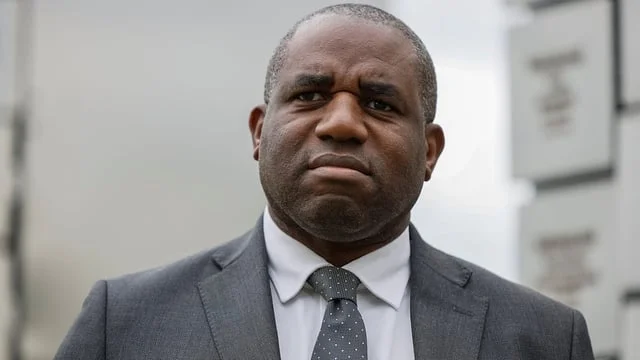
Lammy Silent on Starmer's Future as Labour Braces for Election Rout
Deputy Prime Minister David Lammy has refused to guarantee that Sir Keir Starmer will remain as prime minister following the 2026 local elections, as early results show Labour suffering significant losses to Reform UK and the Green Party. Speaking as ballot counting got underway on Thursday night, Lammy declined to answer directly whether Starmer's leadership was safe regardless of the outcome.
"People want to see the Labour Party deliver, and for councillors working hard, for activists, members on the doorstep making sure that our message is delivered locally, they want to see us nationally delivering on their behalf as well," Lammy told reporters. He acknowledged the elections had "been tough" and admitted Labour must "pick up pace" and "deliver for the public."
Polls closed at 10pm on Thursday across Scotland, Wales, and parts of England. Counting began overnight in 46 of the 136 English local authorities holding elections, with initial results already trickling in. Early declarations show Labour losing seats to Reform UK in Lancashire and to both Reform and the Greens in Chorley, though Labour retained overall control of Chorley council where only a third of seats were contested.
'Tough Night' Acknowledged
Lammy was pressed on whether Starmer would stay as prime minister no matter what happens in the coming days. He remained non-committal, saying voters want to see Labour deliver nationally as well as locally. The Mirror reported Lammy as warning Labour "will be out on our backsides" at the next general election if voters don't feel change. He defended Starmer with a metaphor: "You don't get rid of the pilot mid-flight because of a bit of turbulence. All incumbent governments face tough midterms."
Polling expert Lord Robert Hayward has predicted Labour could lose approximately 1,850 councillors in England and lose the national vote in Wales for the first time in over a century. The latest YouGov poll from Wednesday suggested Labour's 27-year rule in Wales is set to end, with the party predicted to fall to third place behind Plaid Cymru and Reform UK.
Why These Elections Matter for Starmer's Premiership
The 2026 local elections represent the biggest test of public opinion since Labour's general election victory in 2024. Millions of voters cast ballots for the Scottish and Welsh parliaments, as well as for local councils across England. The results are being viewed as a referendum on Starmer's leadership, with his government facing criticism over economic stagnation, public service failures, and perceived lack of progress on key promises.
In Wales, all seats in the Senedd were contested, with multiple party sources telling the BBC they expect Labour's 27-year dominance to end. In Scotland, all Holyrood seats were up for grabs, with Labour feared to slump to third place. Six mayoral contests in England also took place alongside council elections for about 5,000 seats across 136 authorities.
Early Results Signal Wider Trends
By 1am on Friday, initial results confirmed Green and Reform gains. In Halton, Lancashire, Labour lost six seats to Reform UK, though the party maintained overall control because only 19 of 54 seats were contested. In Tameside, the constituency area of former deputy PM Angela Rayner, early reports suggested Labour could lose control of the council for the first time in decades. Results there are not expected until later on Friday.
In south-west London, the Liberal Democrats are hoping to remove Labour from running Merton Council, which Labour has controlled since 2014. Lib Dem senior figures expressed confidence they could add to the 17 seats they won in 2022, which would mark the first time the party has run four London councils simultaneously.
What This Means for Labour and UK Politics
The local election results are likely to intensify internal pressure on Starmer's leadership, even if no immediate challenge materialises. Lammy's refusal to offer a clear vote of confidence signals the fragility of the prime minister's position. Labour MPs and activists, already frustrated by policy U-turns and scandals, will be watching closely for signs that the leadership is prepared to change course.
Reform UK, led by Nigel Farage, is emerging as the biggest winner of the night, capitalising on voter discontent with both Labour and the Conservatives. The party has attracted significant support from working-class voters who feel abandoned by the main parties. The Green Party is also making gains, particularly in urban areas where younger voters are prioritising climate and social justice issues.
Conservative Party chairman Kevin Hollinrake acknowledged the results would be "difficult" for the Tories, saying: "We know that so soon after a historic general election defeat and contesting wards won during the Party's polling highs, that this will be a difficult set of elections for us." He sought to position Conservative leader Kemi Badenoch as a credible alternative, contrasting her with Labour and Reform.
Broader Implications for the Political Landscape
These elections signal a potential realignment of UK politics, with the two-party system further fragmenting. Labour's losses to Reform and the Greens suggest the party is failing to hold together the broad coalition that brought it to power in 2024. If Labour loses control of Wales and suffers heavy council losses, Starmer's authority will be severely weakened ahead of the next general election.
The count in Scotland and Wales will begin on Friday morning, with final declarations expected in the evening. In England, most councils will not begin counting until Friday morning, meaning the full picture of Labour's losses will only become clear later in the day. The BBC is expected to release its own council seat projections based on partial results.
For voters, these results may influence how they view the next few years of government. A severely weakened prime minister could struggle to implement ambitious legislation or maintain party discipline. The immediate question is whether Starmer survives the week—and whether Lammy's careful words are a prelude to a leadership contest or an attempt to manage expectations.
What Happens Next
Counting will continue through Friday across the UK. In England, 46 councils declared results overnight, while the remaining authorities began their counts on Friday morning. The full implications for Starmer's leadership will likely become clear once the final results are announced and the political fallout begins.
Meanwhile, in a different part of the news cycle, a fan spotted a hilarious typo on Melanie C's new album 'Sweat' vinyl, offering a lighter moment amid the political drama. For now, all eyes remain on the counting halls as the future of Labour's leadership hangs in the balance.
Comments