
Cyclospora Outbreak 2026: Symptoms, Testing, and What to Know Now
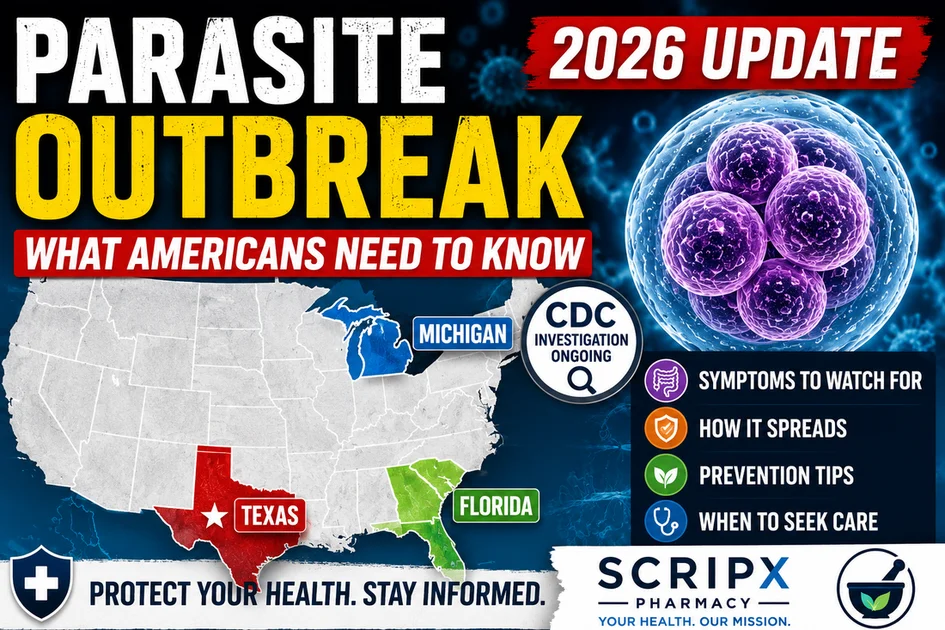
As health officials race to contain one of the largest Cyclospora outbreaks in recent U.S. history, the number of confirmed cases has climbed sharply, sparking concern among Americans who may be experiencing persistent gastrointestinal distress. The Centers for Disease Control and Prevention (CDC) reports at least 1,645 laboratory-confirmed domestic cases of cyclosporiasis since May 1, 2026, with over 5,100 additional cases still under investigation. Michigan alone has reported more than 5,000 confirmed or suspected infections, a staggering figure compared to its typical annual tally of about 50 cases. While no deaths have been recorded, 9% of confirmed patients have been hospitalized, signaling the severity of this parasitic illness.
What Symptoms Should You Watch For?
Cyclosporiasis, caused by the microscopic parasite Cyclospora cayetanensis, primarily attacks the intestines. Symptoms typically appear about one week after exposure, though the incubation period can range from 2 to 14 days. The hallmark sign is watery diarrhea that can be frequent and sometimes explosive. Other common early symptoms include loss of appetite, weight loss, bloating, nausea, and profound fatigue. Less frequently, patients experience low-grade fever and vomiting. Crucially, without treatment, symptoms can follow a relapsing course that lasts from a few days to a month or longer, making it distinct from a typical 24- to 48-hour stomach bug. The CDC notes that complications such as malabsorption, cholecystitis, and reactive arthritis can occur in severe cases.
When to Seek Testing and Treatment
Dr. Tyler Evans, founder and CEO of Wellness Equity Alliance, urges people not to wait out prolonged illness. "Do not wait it out if the illness has already been going on for a while," Evans told Newsweek. "Cyclospora is treatable with a specific antibiotic, and untreated it can persist for weeks and relapse, so waiting mostly buys you more illness." Testing requires a stool sample specifically analyzed for Cyclospora, which is often underdiagnosed because it is not part of routine stool cultures. The CDC advises clinicians to request testing for patients with watery diarrhea lasting three or more days, especially if they have potential exposure to contaminated food. Early diagnosis and treatment can shorten the duration of illness and prevent relapses.
Context: Why This Outbreak Is Different
Record Case Numbers and Underreporting
This year’s outbreak is unprecedented in scale. By mid-July 2026, CDC had received reports of 1,645 confirmed domestic cases—more than six times the 249 cases reported nationally by the same time last year. State health departments report even higher numbers because they include suspected and probable cases still under investigation. The true number of infections is likely much higher because cyclosporiasis is often underdiagnosed. The outbreak has hit multiple states, with Michigan and Ohio seeing the most dramatic surges. The CDC considers May 1 through August 31 the annual cyclosporiasis season, so case counts may continue to rise.
The Source Investigation: From Lettuce to Uncertainty
Federal investigators initially identified shredded iceberg lettuce from Taylor Farms de Mexico, served at Taco Bell restaurants across five states, as a likely source of one outbreak cluster. The CDC warned consumers not to eat shredded iceberg lettuce from Taco Bell in Indiana, Kentucky, Michigan, Ohio, and West Virginia. However, on July 19, the FDA announced that a laboratory test initially believed to have detected Cyclospora in a lettuce sample was actually a false positive. That development has renewed uncertainty about the exact source and highlights the challenges of tracing the parasite through complex food supply chains. The FDA continues to work with the supplier, but the false positive has complicated efforts to pinpoint contamination origin.
Past Outbreaks and Seasonal Patterns
Seasonal cyclosporiasis outbreaks typically occur between May and August, linked to imported fresh produce such as leafy greens, basil, cilantro, berries, and spinach. Past outbreaks have been traced to contaminated produce from Mexico and other countries. The parasite spreads when food or water is contaminated with human feces, and it is not usually transmitted directly from person to person. The current outbreak’s size and geographic spread underscore vulnerabilities in the fresh produce supply chain and the need for enhanced surveillance.
Perspective: What This Means Going Forward
The Need for Better Surveillance and Public Awareness
The 2026 Cyclospora outbreak highlights persistent gaps in outbreak detection and response. Because symptoms can mimic other gastrointestinal illnesses and because testing requires specific laboratory techniques, cases are frequently missed or misdiagnosed. Public health experts urge clinicians to maintain a high index of suspicion during summer months and to test patients with persistent watery diarrhea. For the public, the key message is to recognize when symptoms go beyond a typical stomach bug and to seek medical attention rather than waiting for the illness to resolve on its own.
Implications for Food Safety Policy
The false positive on the lettuce sample underscores the difficulty of identifying contamination sources in a global food system. As investigators continue their work, the incident may prompt calls for faster, more reliable diagnostic tools for foodborne pathogens and more robust traceability systems. For consumers, the outbreak is a reminder to practice safe food handling—washing produce thoroughly, though it may not eliminate Cyclospora entirely—and to stay informed about food recalls. The CDC and FDA advise anyone with symptoms consistent with cyclosporiasis to contact their healthcare provider and mention possible exposure to contaminated produce, especially if they have eaten at Taco Bell or consumed shredded iceberg lettuce in affected regions.
Broader Health and Economic Stakes
While cyclosporiasis is rarely life-threatening, its prolonged course can result in significant morbidity, lost work time, and healthcare costs. The hospitalization rate observed in this outbreak indicates that severe cases are not uncommon. For states like Michigan, already facing a public health emergency in terms of case count, the outbreak strains local health department resources for investigation and follow-up. The situation also raises broader questions about food safety oversight at the federal level, as the FDA and CDC work to resolve conflicting evidence about contamination sources. As the investigation continues, the public should remain vigilant and informed about cyclospora symptoms and the importance of prompt testing and treatment.
For readers dealing with contaminated water issues in other contexts, the ongoing Thames Water hosepipe ban affecting 10 million people serves as a parallel reminder of how infrastructure can impact public health. Additionally, recent food safety alerts such as the garlic powder recall over bacillus risk underscore the importance of staying alert to food contamination warnings.
Comments