
Thames Water Hosepipe Ban Hits 10 Million as UK Water Crisis Worsens
London and South-East face unprecedented restrictions as sixth water company acts
Thames Water, Britain’s largest water supplier, has imposed a temporary hosepipe ban affecting more than 10 million customers across London and the South-East, marking the most significant water restriction in the region in decades. The ban, classified as a Temporary Use Ban (TUB), will officially come into effect at 00:01 on Thursday, July 23, but the utility is urging households to comply immediately.
The move makes Thames Water the sixth company to introduce such restrictions this summer, following South East Water, Southern Water, Cambridge Water, Affinity Water, Anglian Water, and South West Water. The cascade of bans reflects the severity of a drought that has left Southern England parched after three unprecedented heatwaves in three months and the driest spring on record for England and Wales.
Thames Water blamed the decision on a combination of “prolonged dry weather and heatwaves,” higher-than-normal demand, and forecasts showing no significant rain until at least the end of July. Customers in London are currently using 7% more water than usual, while those in the Thames Valley and Home Counties are consuming 10% above normal levels.
“We would not be taking this step unless it was necessary to protect water supplies for everyone and the environment,” said Nevil Muncaster, director of strategic water resources at Thames Water. “While there is enough water for essential use, we need to reduce non-essential outdoor demand to keep taps flowing.”
What the ban means for households
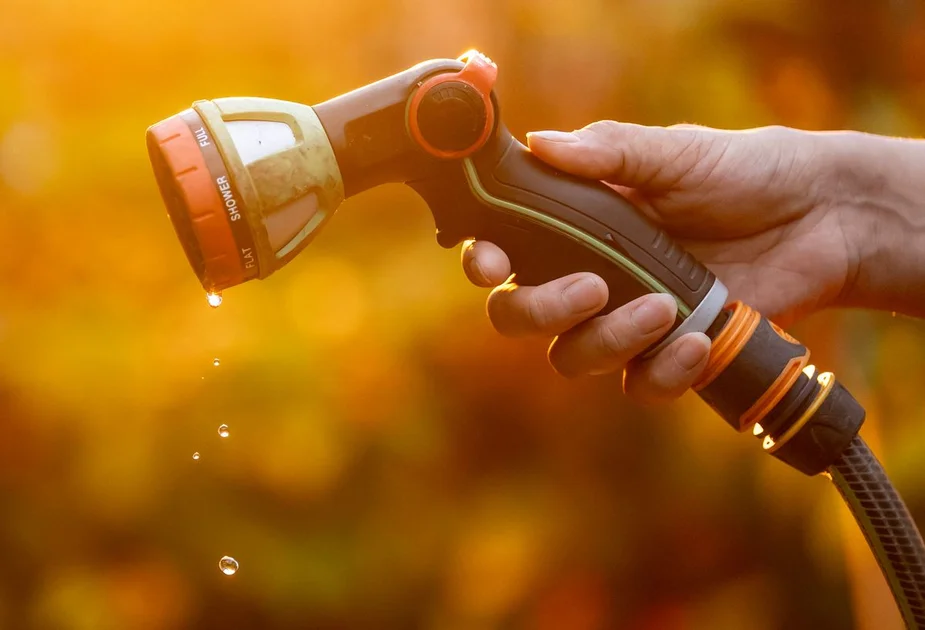
Under the restrictions, customers are prohibited from using hosepipes for activities such as watering gardens, cleaning cars or windows, and filling paddling pools. Garden sprinklers are also banned. The company has stressed that the ban applies only to customers who receive their water supply from Thames Water; those who only receive wastewater services from Thames are not affected, though they may face restrictions from their own supplier.
South East Water, which serves parts of Sussex, Surrey, Hampshire, Berkshire, and Kent, announced a similar extension of its existing ban on the same day, affecting a total of 2.4 million people. That ban formally begins on Saturday, but customers have been asked to abide by it immediately. The company said lower-than-average rainfall, continued hot weather, and high demand left it with no alternative.
Sutton and East Surrey (SES) Water, which supplies 750,000 people across parts of Surrey, Kent, and south London, said it was aware of the South East Water ban but was “not planning to introduce” one of its own.
Why It Matters: The Stakes and the Background
Record heat and zero rain: a crisis 30 years in the making
South-East England has just experienced its longest unbroken spell of no rainfall for more than 30 years, according to the Met Office. An average of zero rainfall was measured across weather stations in the region for 17 consecutive days from July 2 to July 18. Last week, temperatures met or exceeded 28°C for 12 straight days before briefly dipping to around 24°C over the weekend.
BBC Weather is now warning that a fourth heatwave could be headed for London over the next ten days, with no rain forecast in the capital until at least July 31. The combination of extreme heat and bone-dry conditions has heightened concerns not only about water supplies but also about wildfire risks across the capital and surrounding countryside.
Thames Water said its teams are “working around the clock to keep water moving, fix leaks and support customers.” But the utility faces a mountain of criticism over its infrastructure performance. The company loses approximately 100 million litres of water per day through leaks in its network — a figure that has drawn sharp scrutiny.
Critics point to years of underinvestment
Environmentalists and consumer groups have condemned the wave of hosepipe bans as a direct consequence of chronic underinvestment in water infrastructure. The BBC’s environment correspondent Fiona Irving noted that South East Water “loses more water from leaks than it will save from the hosepipe ban,” underscoring the irony of restricting household use while vast quantities of water seep into the ground.
South East Water’s Nicola Higgins acknowledged the frustration, saying the company “absolutely understands” customer anger and that it will “take time” to break the cycle of summer hosepipe bans — this is the fourth ban in five years for customers in Sussex. On water outages over the weekend in Tunbridge Wells, Higgins conceded: “This isn’t the level of service we want to provide, or that customers deserve.”
A company under financial strain
Thames Water’s ban comes at a particularly sensitive time for the utility. The company is battling to avoid nationalisation under the weight of £18.5 billion in debt, and it has warned that it only has enough funding to see it through to the end of 2026. Days before announcing the ban, Thames Water’s annual report revealed that CEO Chris Weston had received a pay rise of nearly 14%, bringing his basic salary to £995,000 as of April.
Weston defended the increase, saying he deserved it, but the optics of a nearly £1 million pay packet for the boss of a company accused of squandering resources and mismanaging leaks have fuelled public outrage. Lenders are reportedly considering offering a “golden share” to avert nationalisation, adding another layer of uncertainty to the company’s future.
Wildfire warnings and dried-up gardens
The water shortages are already having visible effects. In London, parks and green spaces are browning, and the risk of wildfires is elevated. Fire services have urged the public to avoid barbecues in open spaces and to dispose of cigarettes carefully. The situation mirrors scenes from last summer’s European heatwaves, but this year the crisis is hitting closer to home.
Residents in affected areas are being asked to reduce non-essential water use, take shorter showers, and avoid using washing machines or dishwashers unless they are full. Thames Water has also advised customers to check for dripping taps and to fix leaks promptly.
Perspective: Broader Implications and What This Changes
A summer of restrictions — and a warning for the future
The sheer number of bans — six companies covering millions of households — signals that the UK’s water infrastructure is under severe stress from a changing climate. According to the Met Office, the South-East has seen the driest spring since records began, and the trend of hotter, drier summers is expected to continue.
Water companies have long argued that building new reservoirs and upgrading pipe networks takes time and regulatory approval. But critics counter that the crisis has been predictable for years. The Environment Agency has repeatedly warned that England could face water shortages by 2050 unless action is taken to reduce demand and improve infrastructure.
For now, households bear the immediate burden. Hosepipe bans are a blunt instrument — they target discretionary outdoor use, which accounts for only a fraction of total consumption. But as the BBC’s Fiona Irving pointed out, they are also a visible, symbolic measure that forces the public to confront the reality of water scarcity.
The politics of water: blame, debt, and nationalisation
The crisis is sharpening political debate about water industry regulation and ownership. Thames Water’s financial woes have already prompted calls for renationalisation, with critics arguing that private ownership has prioritised shareholder dividends over investment. The company’s huge debt load, combined with the pay rise controversy, has made it a focal point for public anger.
The government has so far resisted intervention, but the escalating bans are likely to increase pressure for structural reform. In the meantime, water companies are urging customers to cooperate. “Many customers have already reduced their water use and that support has made a difference,” Muncaster said. “Thank you to everyone who has already changed their daily habits.”
What comes next
Thames Water has said it will monitor the situation on a regular basis and lift the ban “as soon as it is safe to do so.” But with no rain forecast until at least August and the possibility of a fourth heatwave, the restrictions are likely to remain in place for weeks. South East Water has similarly committed to lifting its ban as soon as possible but has offered no timeline.
For the millions affected, life under a hosepipe ban means adapting daily routines — and hoping that the coming weeks bring the rain that has been absent for so long. In the broader picture, this summer may be remembered not just as a season of heatwaves, but as a turning point in the UK’s relationship with water.
For more on how extreme weather is affecting lifestyles and security, read about the Liverpool Weather: Brief Cooldown Before Potential 38°C Heatwave Hits UK.
Comments