
Lawsuits Mount Against Taylor Farms and Taco Bell Over Cyclospora Outbreak
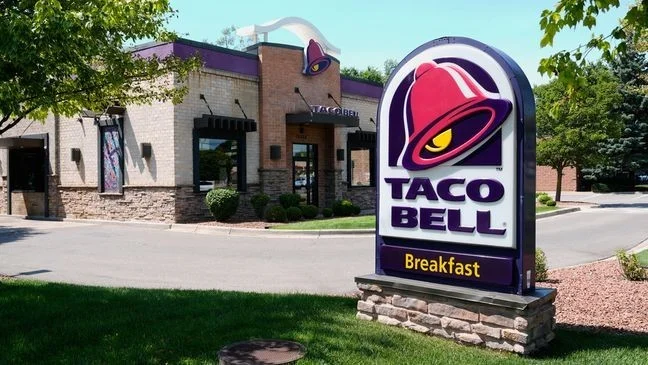
The legal fallout from the multistate Cyclospora outbreak linked to contaminated lettuce is intensifying, with new lawsuits filed against Taylor Farms and its customers, including Taco Bell, even as Congress launches an investigation into the produce giant's response. On July 21, a proposed class action was filed in the U.S. District Court for the Central District of California on behalf of a West Virginia consumer, Lawrence Null, seeking damages of at least $200 for customers who purchased Taco Bell items with contaminated lettuce. The lawsuit, reviewed by Newsweek, alleges that Null bought three cheesy bean and rice burritos and a mini taco salad at a Ravenswood, West Virginia Taco Bell on June 29—items that contained lettuce later linked to the outbreak. Unlike personal injury claims, this suit focuses on economic loss, arguing that every affected consumer "paid full price for food that was worth less than represented, and in law was worthless."
A separate lawsuit was filed on July 28 in the U.S. District Court for the Western District of Michigan by a Muskegon woman who became seriously ill after eating tacos from a Border Foods-run Taco Bell in Whitehall. The complaint names Taylor Farms, Taylor Fresh Foods, Border Foods, and five unknown corporate defendants. The woman, who is immunocompromised and has multiple pre-existing conditions, was hospitalized and required ICU treatment after developing severe cyclosporiasis symptoms. Her case highlights the severe health risks posed by the parasite, especially for vulnerable populations.
These legal actions come as the U.S. House Committee on Oversight and Government Reform has opened a probe into Taylor Farms' handling of the outbreak. In a July 27 letter to CEO Bruce Taylor, Ranking Member Robert Garcia demanded documents related to the company's communications with federal agencies, internal discussions, and food safety practices at its Mexico facilities. The letter cites media reports alleging that Taylor Farms executives met privately with White House and FDA officials to "distance the company from the outbreak and cast doubt on the officials' conclusion" before the company's July 17 voluntary recall of shredded iceberg lettuce and certain salad kits.
The Growing Legal Battle: Economic and Personal Injury Claims
The West Virginia class action is notable for its focus on economic damages rather than physical injury. Attorney for Null argues that all consumers who bought affected products between May 1 and the date of final judgment are entitled to compensation because the products were "not fit for sale" and "could not lawfully be sold for human consumption." The lawsuit alleges violations of the West Virginia Consumer Credit and Protection Act, breach of implied warranty of merchantability, unjust enrichment, and negligence. It further claims that Taylor Farms "knowingly and recklessly" sold contaminated lettuce while representing it as wholesome, and that Taco Bell served it "as an ordinary, safe ingredient." The suit also points to Taco Bell's voluntary removal of the lettuce as confirmation that it should never have been sold.
The Michigan lawsuit, by contrast, centers on severe personal injury. The woman, whose name has not been disclosed, developed symptoms on July 9—three days after eating at the Whitehall Taco Bell. By July 11, she sought urgent care; a stool sample later confirmed Cyclospora cayetanensis. Because she could not take standard sulfa-based treatment due to her immunocompromised state, she was admitted to the ICU for a medication-desensitization procedure. Her husband traveled seven hours round-trip to obtain an alternative medication. The suit alleges she has suffered abdominal pain, joint pain, chills, a urinary tract infection, and other complications. Her pre-existing conditions include diabetes, coronary artery disease, sarcoidosis, arthritis, autoimmune disease, and severe anemia; she is also a uterine cancer survivor.
These two cases illustrate the dual nature of litigation stemming from foodborne outbreaks: economic loss claims for all purchasers, and serious injury claims for those who fell ill. As the outbreak has spread across multiple states, more lawsuits are expected, potentially consolidating into multidistrict litigation.
Congressional Probe: Allegations of Undue Influence and Misleading Statements
The Oversight Committee's investigation adds a political and regulatory dimension to the legal battles. Rep. Garcia's letter alleges that Taylor Farms may have attempted to influence the FDA's investigation and mislead consumers about the recall's scope. Specifically, the letter cites reports that Taylor Farms executives met privately with White House and FDA officials before the recall, trying to cast doubt on the FDA's conclusion that Taylor Farms lettuce was the outbreak source. The company also made a $1 million donation to a Trump super PAC one week before the Administration delayed the FDA's Food Traceability Rule, which would have made it easier to trace contaminated foods—a timing that has drawn scrutiny.
Garcia also criticized Taylor Farms' public statements as "contradictory and confusing," suggesting they were "deliberately worded to make customers think recalled products are safe." For example, the company issued a now-deleted statement claiming the FDA had "apologized" for a false positive test result—a claim the FDA denies. Taylor Farms has also publicly stated that "FDA has not identified a single positive product test result for Cyclospora," while the FDA maintains that epidemiological evidence "overwhelmingly" points to Taylor Farms as the source.
The letter requests records dating back to 2013 regarding sanitary conditions, quality control, and contamination at Taylor Farms' Mexico facilities, as well as a complete list of retailers and restaurants that received recalled products. The committee's demand signals that federal oversight of food safety practices may be ramping up, especially given the timing of the FDA rule delay.
The internal links: UK Cyclospora Outbreak: 67 Cases Linked to Mexico Travel, US Lettuce Scare and FDA Recalls 12 Million Rohto Eye Drops Over Sterility Concerns provide context on broader food safety and regulatory issues.
The Cyclospora Outbreak: What's at Stake
Cyclospora is a microscopic parasite that causes cyclosporiasis, an intestinal infection characterized by frequent, watery diarrhea, cramping, nausea, and fatigue. Symptoms can last for weeks or months if untreated, and the illness can be severe for immunocompromised individuals. The current outbreak, linked to shredded iceberg lettuce from Taylor Farms' Mexico facilities, has sickened hundreds of people across multiple states, with cases reported in West Virginia, Michigan, and elsewhere. The FDA and CDC have been investigating since May, but the source identification has been complicated by the delayed implementation of the Food Traceability Rule, which would have facilitated faster tracing.
The outbreak has also spread internationally: the UK has reported 67 cases linked to travel to Mexico and the US lettuce scare, as noted in a related article. This underscores the global reach of the food supply chain and the need for robust traceability systems.
For consumers, the outbreak raises concerns about the safety of bagged salads and fast-food lettuce. For the industry, it highlights the vulnerabilities of centralized produce processing and the importance of swift, transparent recalls. The economic impact is significant: Taco Bell and other restaurants have removed affected lettuce, and Taylor Farms has faced reputational damage and legal liabilities.
More Lawsuits and Growing Public Scrutiny
Beyond the two named lawsuits, attorneys are likely to file additional claims on behalf of other victims. The class action seeks to represent a nationwide class, while the Michigan case is part of a pattern of personal injury suits emerging from the outbreak. Legal experts suggest that plaintiffs' lawyers are pursuing both economic and personal injury theories to maximize recovery for affected consumers.
The congressional probe adds another layer of scrutiny, potentially leading to hearings and legislative changes. If the FDA's traceability rule delay is linked to political donations, it could spark broader debates about regulatory capture and food safety funding. For now, Taylor Farms faces a triple threat: civil lawsuits, federal investigation, and public distrust.
The company has not commented publicly on the latest lawsuits, but its earlier statements defending its lettuce as safe have been contradicted by the FDA's epidemiological evidence. As the investigation continues, more details are likely to emerge about the company's internal decisions leading up to the recall.
Implications for Food Safety and Regulatory Policy
The Taylor Farms lawsuit and congressional investigation signal a potential shift in how foodborne illness outbreaks are handled. The delay of the FDA's Food Traceability Rule, which was due to take effect in January 2026, has become a flashpoint. The rule would have required more detailed record-keeping and faster tracing of contaminated foods, which could have mitigated the current outbreak's spread. Its delay, allegedly influenced by industry lobbying and political donations, is now under scrutiny.
If the Oversight Committee's investigation finds evidence of undue influence, it could lead to stricter regulations and a reevaluation of the FDA's rule-making process. It could also prompt Congress to mandate faster traceability regardless of executive branch preferences. For consumers, this case underscores the importance of transparent food supply chains and the need for companies to act swiftly when contamination is suspected.
For the legal landscape, these lawsuits could set precedents for economic loss claims in foodborne outbreaks. Historically, courts have been split on whether consumers can recover for products that are unsafe but not yet proven to cause injury. The West Virginia class action tests this boundary, arguing that the lettuce was "worthless" the moment it was sold, regardless of whether the buyer fell ill. A favorable ruling could encourage similar class actions in future outbreaks.
The broader trend: foodborne illness outbreaks are increasingly becoming legal and political battlegrounds, with plaintiffs' lawyers, congressional investigators, and regulators all playing roles. The Taylor Farms case may be a bellwether for how such crises are managed—and who is held accountable.
Conclusion: A Convergence of Legal, Political, and Public Health Crises
The Taylor Farms lawsuit is no longer just about individual compensation; it has become a focal point for debates over food safety regulation, corporate accountability, and political influence. With lawsuits piling up, a congressional probe underway, and public trust waning, the company faces an existential crisis. The outcome of these legal and political processes could reshape the food industry's approach to contamination and inform future regulatory frameworks.
For consumers, the takeaway is clear: the safety of the nation's food supply is not guaranteed, and the systems designed to protect them are under stress. As the outbreak continues, more cases and lawsuits are likely. The health of thousands—and the integrity of the food regulatory system—hangs in the balance.
Comments