
Cuba's Grid Collapses Again: Sixth Nationwide Blackout of 2026 Deepens Crisis
Another Total Failure
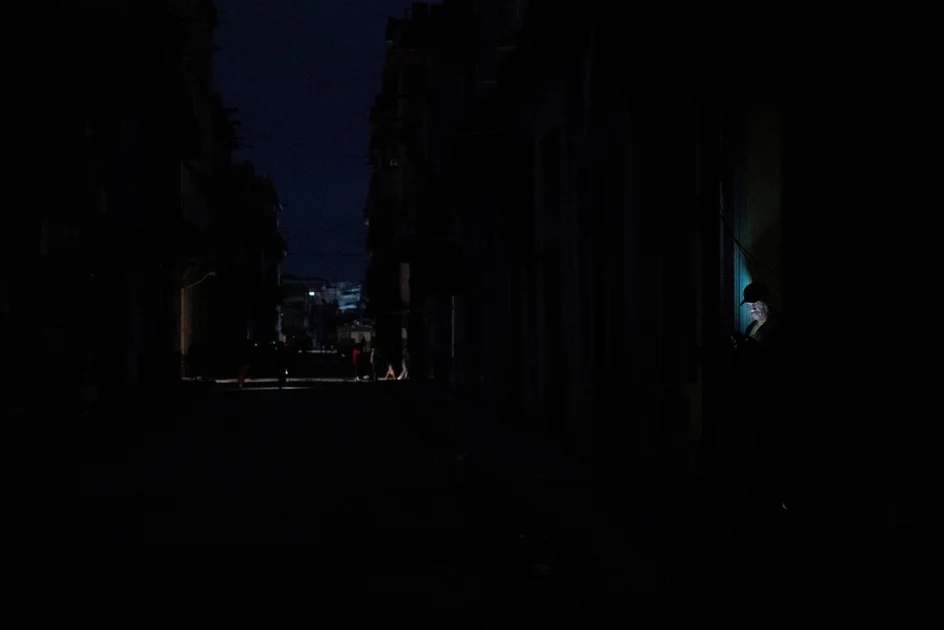
Cuba's national electrical grid collapsed once more late Sunday, plunging the island of about 10 million people into darkness. It marked the sixth nationwide blackout of 2026, according to state-run utility Union Electrica de Cuba (UNE). The outage began late Sunday night and, despite restoration efforts on Monday, the grid failed again hours later, undoing initial progress. By Monday morning, only about 23 percent of Havana had power, and that was quickly wiped out. The state utility did not specify the exact cause, but noted an "electric oscillation" as a factor. Authorities are now working to restore power in isolated networks, prioritizing hospitals, water systems, and food facilities, before gradually reconnecting larger plants.
A Recurring Crisis
This latest collapse is not an isolated incident. Cuba has experienced two nationwide blackouts in March, three in July, and now this one in August — all within the same year. Even when the grid operates, most Cubans face rolling blackouts lasting up to 20 hours a day. The chronic fuel shortages and aging infrastructure have made the system extremely fragile. The government has long blamed the U.S. trade embargo and, more recently, an oil blockade imposed by President Donald Trump following Washington's ouster of Venezuelan President Nicolás Maduro in January. Venezuela had been Cuba's primary oil supplier, and with Mexican imports also halted under U.S. pressure, the island has struggled to secure fuel. This energy crisis has severely disrupted daily life, affecting businesses, essential services, and even basic household activities.
Why It Matters: Humanitarian and Economic Stakes
Impact on Daily Life
The blackouts are more than an inconvenience; they are a humanitarian crisis. With electricity scarce, refrigeration is impossible, leading to food spoilage and limited access to clean water. Hospitals must rely on backup generators, which are also affected by fuel shortages. Schools and businesses frequently shut down. The most vulnerable populations — the elderly, the sick, and children — suffer the most. The psychological toll is also significant, as Cubans face uncertainty about when power will return and for how long.
Economic Paralysis
The energy crisis has paralyzed Cuba's economy. Tourism, a key source of revenue, has been hit hard, as travelers are warned of disruptions. The US Embassy in Havana has issued a warning to American citizens to prepare for prolonged outages. Local businesses struggle to operate, and the government has been forced to authorize novel measures, including allowing foreign-backed fuel imports and nearly 200 Cuban businesses to participate in wholesale fuel distribution. These steps, while significant, are likely insufficient to address the scale of the problem. The blackouts also undermine public trust in the government, which has been accused of mismanagement and failing to maintain the grid.
The Role of Geopolitics and Sanctions
U.S. Sanctions and the Oil Blockade
Cuban officials and many analysts agree that U.S. sanctions have exacerbated the crisis. The oil blockade, imposed after the Trump administration's actions in Venezuela, cut off Cuba's main fuel supply. This has forced the island to seek alternative sources, but the U.S. pressure has limited those options. The sanctions also hinder Cuba's ability to purchase spare parts for its Soviet-era power plants, exacerbating the aging infrastructure problem. The Cuban government has accused the U.S. of "genocide" and seeking a takeover, while the U.S. argues the sanctions are designed to pressure the regime for political change.
Cuba's Response and Adaptations
In response to the fuel shortages, Cuba has begun a cautious opening of its energy sector. For the first time, foreign companies are being allowed to invest in fuel imports, and local private businesses are being permitted to take part in wholesale distribution. This marks a significant shift from the state's traditional monopoly. However, these measures are still in early stages and unlikely to provide immediate relief. The government has also sought help from allies, but the geopolitical landscape remains challenging.
Broader Implications: A Sign of Things to Come?
Structural Vulnerabilities
The repeated collapses of Cuba's grid highlight structural vulnerabilities that go beyond fuel shortages. The infrastructure is decades old, with poor maintenance and lack of investment. The system is also highly centralized, making it vulnerable to cascading failures. The reliance on a single source of fuel — Venezuela — has proved disastrous. Cuba's energy crisis is a case study in how economic sanctions, combined with political instability in allied countries, can create a humanitarian emergency.
Potential for Regional Ripple Effects
The situation in Cuba could have broader regional implications. The influx of Cuban migrants to the U.S. has historically spiked during crises, and this energy collapse could prompt a new wave. Additionally, instability in the Caribbean affects regional security and economic interests. The international community, including the U.S., may need to consider humanitarian assistance, but political tensions complicate such efforts.
What's Next?
Restoration and Resignation
For now, Cubans are resilient but weary. Restoration efforts are ongoing, but the grid remains fragile. The government has announced a series of measures to address the crisis, but there is no quick fix. The people are forced to adapt to a new normal of sporadic power, which has changed daily routines, with many relying on alternative sources like solar panels and generators, though these are unaffordable for most. There is scant hope for immediate improvement, as fuel imports remain constrained and infrastructure repairs are slow.
A Test of Resilience
The upcoming months will be a test of Cuba's resilience. The government must navigate the geopolitical pressures while trying to meet the basic needs of its people. The international community watches closely, as the humanitarian situation could escalate. The crisis also underscores the need for investment in renewable energy and diversified fuel sources, though such investments are difficult under sanctions. For now, Cuba remains in the dark, but the spirit of its people may be the only constant.
For related coverage on how energy crises are affecting other regions, see our report on Seattle Air Quality Alert: Wildfire Smoke and Heat Deteriorate Skies.
Comments