
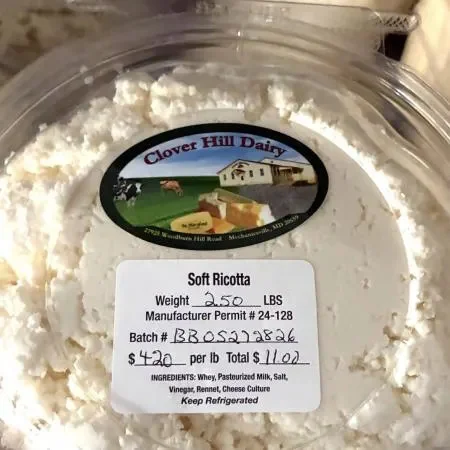
Clover Hill Dairy Expands Cheese Recall After Listeria Outbreak Claims One Life
The Food and Drug Administration (FDA) has escalated a major food safety alert, announcing that Clover Hill Dairy of Mechanicsville, Maryland, is recalling its entire line of cheese products following a deadly Listeria monocytogenes outbreak. The initial recall, which began in early June, targeted only requesón and soft ricotta varieties, but has now been expanded to include all cheeses manufactured at the facility. As of June 25, 2026, one person has died and eight others have been hospitalized due to infections linked to the contaminated dairy products.
According to FDA advisories, the recalled items were distributed through the company's retail store, farmers markets, and various retail locations across Maryland, New Jersey, New York, North Carolina, Virginia, and Washington D.C. Consumers are urged to check their refrigerators and freezers immediately for any Clover Hill Dairy cheese purchased between May 15 and May 28, 2026. The FDA warns against eating, selling, or serving any recalled cheese, and advises returning the products to the point of purchase for a full refund or disposing of them safely.
Affected Products and Brands
The recall covers a wide range of cheese types, including soft cuajada, ricotta, cheddar, Monterey Jack, pepper jack, smoked varieties, and flavored cheeses such as Horseradish and Old Bay Cheddar. The products were sold under multiple brand names, including KESSO, QUESOS LA RICURA, IZALCO, DE MI PUEBLO, and RIO LINDO. Sizes range from small snack packs to bulk 5-gallon buckets and 40-pound blocks. A full list of recalled items is available on the FDA website, and consumers with questions can contact the Southern Maryland Agriculture Development Commission on behalf of Clover Hill Dairy at (240) 528-8850, extension 327.
The Stakes: Listeria's Severe Health Risks
Listeria monocytogenes is a pathogenic bacterium that causes listeriosis, a serious infection that primarily affects pregnant women, newborns, older adults, and individuals with weakened immune systems. The Centers for Disease Control and Prevention (CDC) estimates that approximately 1,600 people contract listeriosis annually in the United States, with about 260 deaths. Symptoms typically appear within two weeks of consuming contaminated food, but incubation periods can range from the same day to as late as 10 weeks.
Mild symptoms include fever, muscle aches, nausea, fatigue, vomiting, and diarrhea. In more severe cases, the infection spreads beyond the gastrointestinal tract, leading to headaches, stiff neck, confusion, loss of balance, and convulsions. Invasive listeriosis can result in meningitis, septicemia, and death. Pregnant women are especially vulnerable; while they may experience only mild flu-like symptoms, the infection can cause miscarriage, stillbirth, premature delivery, or life-threatening infection in newborns.
A Deadly Pattern in Dairy Recalls
This outbreak is part of a broader and troubling trend in the dairy industry. Soft cheeses, especially those made from unpasteurized or improperly handled milk, have long been associated with Listeria contamination. The FDA has previously issued warnings about queso fresco, ricotta, and other fresh cheeses from small-scale producers. The expansion of the Clover Hill recall from two products to an entire line suggests the contamination may have originated in the facility’s processing environment rather than a single batch of milk.
For consumers, the key concern is that the recalled cheeses may still be sitting in home refrigerators. The FDA recommends not relying on appearance or smell, as Listeria can survive and even grow under refrigeration. Freezing does not kill the bacterium, so any recalled product—even if frozen—should be discarded or returned. Anyone who has consumed recalled cheese and develops symptoms should contact a healthcare provider immediately.
Broader Implications: Food Safety and Consumer Trust
This recall underscores persistent vulnerabilities in the U.S. food supply chain, particularly at smaller processing facilities where environmental testing and sanitation protocols may be less robust than at large industrial plants. Clover Hill Dairy is a regional producer, but its products reached consumers in six states and the nation’s capital. The fact that the initial limited recall expanded to an entire product line indicates that investigators likely found Listeria in multiple areas of the facility, suggesting a systemic hygiene failure.
The economic impact on Clover Hill Dairy could be severe. Beyond the direct costs of recalling and disposing of thousands of pounds of cheese, the company faces potential lawsuits from the affected families, increased regulatory scrutiny, and long-term reputational damage. While the company has not issued a public statement beyond the FDA notice, the recall serves as a cautionary tale for small- to medium-sized dairies about the critical importance of rigorous environmental monitoring.
A Connected Ecosystem of Recalls
The cheese recall occurs against a backdrop of other recent food and drug safety actions. For instance, earlier this month, over 11,000 bottles of blood pressure medication were recalled nationwide due to dissolution failures. Such incidents highlight that consumer safety challenges are not confined to perishable foods, but affect pharmaceuticals as well. Additionally, a separate recall of 500,000 packages of macaroni and cheese sold at Aldi was issued due to undeclared soy lecithin, a common allergen. These events collectively remind consumers to remain vigilant about checking FDA advisories.
For those interested in how recalls affect prepared foods, recent cases such as the Power Plate Meals Recall: 5,795 Pounds of Frozen Meatloaf Pulled Over Soy Allergen demonstrate similar risks with frozen entrees. Such recalls often trigger increased public demand for clearer labeling and more frequent facility inspections.
How Consumers Can Protect Themselves
The FDA and CDC offer clear guidelines for avoiding Listeria infection. At-risk populations should avoid soft cheeses unless they are clearly labeled as made from pasteurized milk. However, even pasteurized cheeses can become contaminated post-pasteurization if processing equipment is not properly sanitized—a possibility in this outbreak, given that Clover Hill Dairy’s products may have been recontaminated after heating.
Consumers should regularly monitor the FDA’s recall list and sign up for alerts. Keeping a log of product codes and purchase dates can help quickly identify affected items. When in doubt, the safest course is to discard any cheese of unknown origin, especially soft varieties. The FDA also recommends thoroughly cleaning any surfaces, containers, or utensils that may have come into contact with recalled cheese to prevent cross-contamination.
The Role of Retailers and Farmers Markets
Retailers that carried Clover Hill Dairy products have been instructed to remove them from shelves and notify customers who may have purchased them via loyalty programs or purchase records. Farmers markets, where direct-to-consumer sales often lack centralized recordkeeping, pose a particular challenge for traceback efforts. The Southern Maryland Agriculture Development Commission is assisting with consumer inquiries, but the decentralized nature of such sales means many affected consumers may not be aware of the recall unless they see news reports.
This incident may lead to calls for stricter recordkeeping requirements for small producers and vendors at farmers markets. It also raises questions about liability: when a consumer buys cheese directly from a producer at a weekend market, who is responsible for notifying them of a recall? Currently, the burden falls largely on the producer and the news media.
Looking Ahead: What This Changes for the Dairy Industry
The Clover Hill Dairy recall is likely to accelerate discussions about the size and scope of food safety regulations. The FDA’s Food Safety Modernization Act (FSMA), passed in 2011, emphasizes prevention through mandatory preventive controls and environmental monitoring, but small businesses often struggle to comply due to cost and expertise gaps. This outbreak may prompt the FDA to provide more resources for technical assistance to small dairies—or to increase enforcement for those that fail to meet standards.
Industry observers expect that larger retailers may begin demanding more stringent third-party audits from their cheese suppliers, especially for soft cheeses known to be high-risk. For consumers, the takeaway is that even trusted local producers are not immune to contamination. While the overall U.S. food supply remains among the safest in the world, the Clover Hill outbreak is a sobering reminder that recalls can happen at any time, and that vigilance at home is a crucial final line of defense.
As the investigation continues, the FDA has not yet identified the exact source of the contamination, but environmental samples from the facility are being tested. Updates are expected in the coming weeks. Meanwhile, the family of the deceased victim and those hospitalized are left to grapple with the consequences of what should have been a simple purchase of cheese—a staple product that millions of Americans eat daily without a second thought.
Comments