
Cairngorms Wildfire Forces Mass Evacuations as Blaze Near Ryvoan Bothy Spreads 3.5km
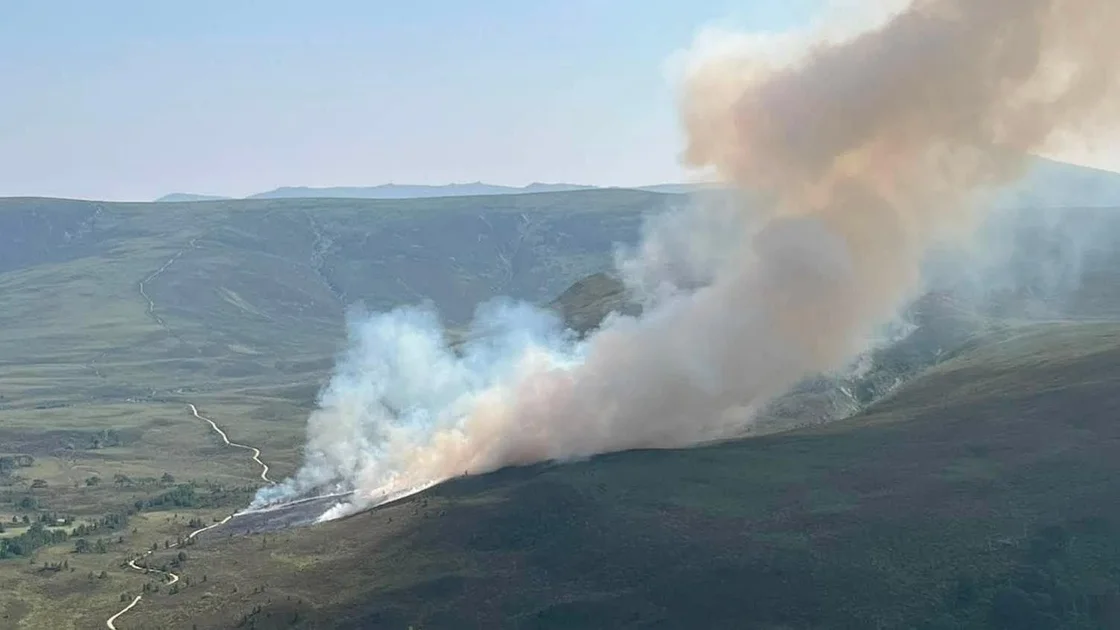
Firefighters are battling a major wildfire in the Cairngorms National Park that ignited near Ryvoan Bothy at Nethy Bridge on Wednesday morning, forcing the evacuation of villagers, campsites, and ski resorts as the blaze expanded to over 3.5 kilometers wide by Thursday morning. The Scottish Fire and Rescue Service (SFRS) has deployed specialist crews who worked through the night to contain the fast-moving flames, with four fire engines remaining at the scene at 6:45 a.m. on July 16, 2026.
The fire broke out around 11:50 a.m. on Wednesday in heathland near the remote Ryvoan Bothy, a historic shelter popular with hikers in the Glenmore Forest Park area. By Thursday, the active fire front spanned roughly 3.5 kilometers (over two miles) across dry heathland, trees, and woodland, according to SFRS Deputy Assistant Chief Officer Ian McMeekin. Speaking to BBC Radio Scotland’s Breakfast program, McMeekin said: “We’re still fighting the fire, working with a range of different partners, with the landowners and local authorities and so on to deal with the incident. Currently we have a fire front of just roughly about three and a half kilometres wide.”
Mass Evacuations and Ongoing Emergency Response
Authorities ordered the evacuation of local residents, holiday campsites, and businesses in the Glenmore Forest Park and Loch Morlich areas. Duncan Ferguson, operations manager at the Spey Fishery Board who lives in Glenmore village near Aviemore, told the Daily Record that police came to his house during the afternoon, instructing residents to “leave your pets and go.” The SFRS has also advised residents in Aviemore, Glenmore, and surrounding communities to keep doors and windows closed due to heavy smoke.
Campsite occupants were among those displaced. Craig, from 57North Adventures, described the chaos to the BBC: “We run mountain bike trips and was in the middle of one, staying at Badaguish outdoor centre, when we were evacuated from our campsite around 10:30pm. We grabbed our kit and extra tents then moved to a new location to wild camp for the night. Currently we are being told we can’t return to the site so will be looking for another place to stay.”
The Cairngorm Reindeer Herd was safely released onto the mountains to escape the flames, and the Royal Society for the Protection of Birds (RSPB) sent all staff on duty to the scene, as the blaze burns on the southern boundary of the Loch Garten Nature Reserve in Abernethy. The BBC understands there are capercaillie – a large woodland grouse – around Ryvoan, though ospreys located about six miles away are not at risk.
No casualties have been reported, and the official cause of the fire has not yet been determined. Emergency officials stated it is too early in the ongoing incident to make a definitive ruling, though authorities have highlighted a mix of weather conditions, landscape factors, and human activities that contributed to the rapid spread.
Extreme Conditions Turn Landscape Into a Tinderbox
The wildfire has erupted during an unprecedented heatwave across the UK, with large parts of England recording zero percent of expected July rainfall and some areas going 27 consecutive days without measurable wet weather. While northwestern Scotland has seen 40% or more of normal monthly rainfall, the central Highlands – including the Cairngorms – have experienced weeks of intense summer heat, exceptionally low humidity, and high winds that have turned the heathland and ancient woodland into a tinderbox.
Local farmers described the landscape to reporters as a “tinderbox,” and a “very high” risk of wildfire remains in place for the central Highlands, southern and eastern Scotland. The fire risk is so acute that rally organisers in Dalbeattie, southwest Scotland, issued a wildfire warning to fans heading to stages in forests this weekend, banning smoking and barbecues.
The Threat to Rare Wildlife and National Park Ecology
The Cairngorms National Park is one of the UK’s most important ecological areas, home to rare species including capercaillie, which are large woodland grouse that nest on the ground and are particularly vulnerable to wildfire during the breeding season. The BBC reports that capercaillie are present around Ryvoan, though the RSPB has not confirmed if any have been affected. The fire also threatens ancient Caledonian pine forest remnants, which are already under pressure from climate change and human activity.
Deputy Assistant Chief Officer Ian McMeekin stressed the severity of the situation: “This is a large-scale fire front, and our crews are working tirelessly to bring this fire under control and limit further spread. The risk is clear and the weather conditions today have contributed to this incident, with warm, high winds causing the fire to spread across areas of dry land.”
Broader Implications: Climate Change and Wildfire Risk in the UK
The Cairngorms wildfire is part of a growing pattern of extreme fire events across the UK and Europe, driven by climate change and prolonged dry spells. Heatwave conditions are expected to continue for several more days in many areas, with some locations on track for two consecutive weeks of high temperatures. The blaze comes just days after seven Britons were among those killed in wildfires in southern Spain, underscoring a dangerous summer across the continent.
A Warning for Scotland’s Outdoor Economy
The evacuation of campsites, ski resorts, and hiking areas in the Cairngorms has disrupted tourism at one of Scotland’s busiest outdoor destinations. Glenmore Forest Park and Loch Morlich are particularly popular with hillwalkers, mountain bikers, and families, and the ongoing closure will have financial ripple effects on local businesses. Group Commander Raymond King urged the public to avoid the area: “While we want people to enjoy the good weather, we ask that anyone in the Cairngorms National Park near to Aviemore and Glenmore avoid the area. This part of the Cairngorms National Park is popular with hillwalkers, and we ask that people remain vigilant while active firefighting continues.”
In a related incident earlier this year, a Yellowstone Bison Attack reminded the public of the dangers of wildlife interactions in national parks, though the current Cairngorms fire poses a more immediate threat through smoke and evacuation orders.
Calls for Better Prevention and Awareness
As firefighters brace for what could be a long operation, the incident has reignited calls for better wildfire prevention measures in Scotland. The SFRS has warned that with continued hot, dry conditions, the risk of additional fires remains high. The rally organisers in Dalbeattie this weekend have already taken precautions, but officials say public awareness is critical.
The blaze near Ryvoan Bothy also highlights the vulnerability of remote bothies and hiking infrastructure during extreme weather events. Ryvoan Bothy itself is a historic stone shelter used by walkers and climbers, and its proximity to the fire’s origin point raises questions about human activity as a potential trigger – though no official cause has been confirmed.
Looking Ahead: Containment Efforts and Climate Adaptation
Fire crews expect to remain on the scene for a considerable time to bring the blaze under full control, with operations scaled back overnight for monitoring but resuming in daylight. McMeekin said: “We have adequate resources committed to this incident, and our operational response will be scaled back overnight during hours of darkness to monitor conditions. However we anticipate being on scene for a considerable time to bring this under control.”
As the UK experiences more frequent and intense wildfires – a trend linked to global warming – the Cairngorms event may serve as a case study for future preparedness. The Scottish government and park authorities are likely to face pressure to invest in fire prevention infrastructure, early warning systems, and public education campaigns.
Meanwhile, residents and visitors are urged to stay informed through trusted local media and official channels. The SFRS has asked anyone in the area to remain vigilant and to avoid the Glenmore Forest Park and Loch Morlich areas until further notice. The summer of 2026 is shaping up to be a pivotal moment for wildfire awareness in Scotland, as the flames near Ryvoan Bothy continue to burn.
Comments