
Rain Soaks Black Rock City, Leaving Muddy Conditions at Burning Man 2026
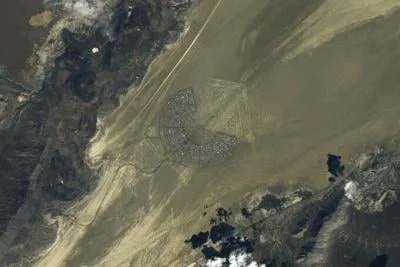
Black Rock City, Nevada – The Burning Man 2026 festival faced a sudden weather shift on Friday, September 4, when morning rain transformed the normally dusty playa into a slick, muddy landscape. Live webcast footage from the event showed panoramic views of the playa, with the ground visibly wet and sticky. The precipitation forced attendees to adapt quickly, as movement across the site became more difficult.
According to the Reno Gazette Journal, which is monitoring the event via the Burning Man Live webcast, the rain had left the playa coated in mud by Friday morning. However, the report noted that clearing weather was expected later in the day, offering some relief to the tens of thousands of participants on site. The festival did not immediately announce any official road closures or exodus delays, but the muddy conditions are a reminder of how quickly the desert environment can turn challenging.
Festival Continues Amid Weather Challenges
Despite the wet conditions, the event is proceeding, with the Burning Man Project’s official website maintaining its live “BRC Dashboard” for up-to-date weather, traffic, and other critical information. The dashboard is a key resource for attendees navigating the playa, especially during weather events. While no official announcement was made about cancellations, the mud poses logistical hurdles for art installations, performances, and the daily commute to the numerous camps that dot the city.
Longtime burners know that rain on the playa is a serious matter. The alkali dust, when wet, becomes a heavy, clay-like substance that can make walking, cycling, and driving nearly impossible. In past years, including the infamous 2023 event, heavy rain led to a complete shutdown of vehicle movement and a multi-day exodus freeze, stranding attendees in muddy conditions. This year’s rain is less severe, but it still disrupts the delicate logistics of a temporary city that relies on bikes and art cars for transportation.
A History of Weather Extremes at Burning Man
Burning Man is no stranger to extreme weather. The event takes place in the Black Rock Desert of Nevada, where temperatures can swing from scorching daytime highs to near-freezing nights. Dust storms are common, but rain is relatively rare. However, when it does hit, it becomes the dominant story, as it did in 2014 and again in 2023. The 2023 event saw a single storm system drop several inches of rain over two days, turning the playa into a thick, unpassable mud that closed the gates and forced the festival to manage a phased exodus over several days.
This year’s rain, while less dramatic, comes after a particularly dry summer that made many attendees complacent about the threat of wet weather. The fact that the rain struck early on Friday, the day before the event’s official peak, means organizers had time to respond. The webcast continues to show normal activity at the site, with participants donning rain gear and trudging through the mud to get to their next scheduled experience.
The broader context is that Burning Man has been grappling with how to communicate weather risks more effectively. The BRC Dashboard, accessible via the Burning Man Project website, is part of an effort to provide real-time updates that go beyond the festival’s social media feeds. This tool has been critical in keeping the community informed about road conditions, gate status, and any potential health hazards, such as the risk of hypothermia if a sudden cold front follows the rain.
What the Rain Means for the Rest of the Event
As clearing weather was expected later Friday, most attendees are likely to shrug off the inconvenience. The mud, while sticky, tends to dry within a few hours under the desert sun, leaving behind a dusty crust that is easily disturbed by the next gust of wind. By evening, conditions should be favorable for the weekend’s planned events, including the famous Burn on Saturday night, weather permitting.
Looking forward, this incident serves as a reminder that climate change is making weather patterns more erratic, even in the high desert. Festival organizers and attendees alike must be prepared for a wider range of conditions, from extreme heat to sudden downpours. The resilience of the Burning Man community, known for its “radical self-reliance” principle, is likely to be tested again in the coming years.
The event is scheduled to continue through Labor Day weekend, with organizers monitoring conditions closely. For those on site, the recommendation is to heed the BRC Dashboard and avoid unnecessary vehicle movement until the playa dries completely. As one veteran burner noted, “This is why we bring tarps and boots. You never know what the playa will throw at you.”
For those planning next year’s trip, it’s worth noting that weather resilience is becoming as important as art and community in the Burning Man experience. The event, which has long celebrated human adaptability, is now a proving ground for coping with a changing climate. While the rain presents immediate challenges, it also reinforces the community’s ability to adapt, rebuild, and dance, even with a little bit of mud on their boots.
Preparing for the Elements: Advice for Current and Future Burners
As conditions improve, officials are reminding participants to stay safe during the remainder of the event. Key tips include wearing sturdy footwear, using bikes only after the mud has dried to avoid damaging the playa crust, and always checking the BRC Dashboard for the latest updates. The festival is also urging attendees to look out for one another, especially those who may not have come equipped for wet weather.
The rain has also had an unintended benefit: it tamped down the dust in the air, providing clearer skies for the planned evening fire performances. Once the mud dries, the playa will likely be in better shape for the remaining days of the event, with less airborne dust to irritate lungs and eyes. For many, this silver lining is enough to keep spirits high.
Burning Man has always been a test of endurance and creativity, and this year’s weather challenge is just the latest in a long line of obstacles the community has overcome. As the skies clear, the festival is expected to resume its normal rhythm, with art, music, and communal gatherings taking center stage once again.
Comments