
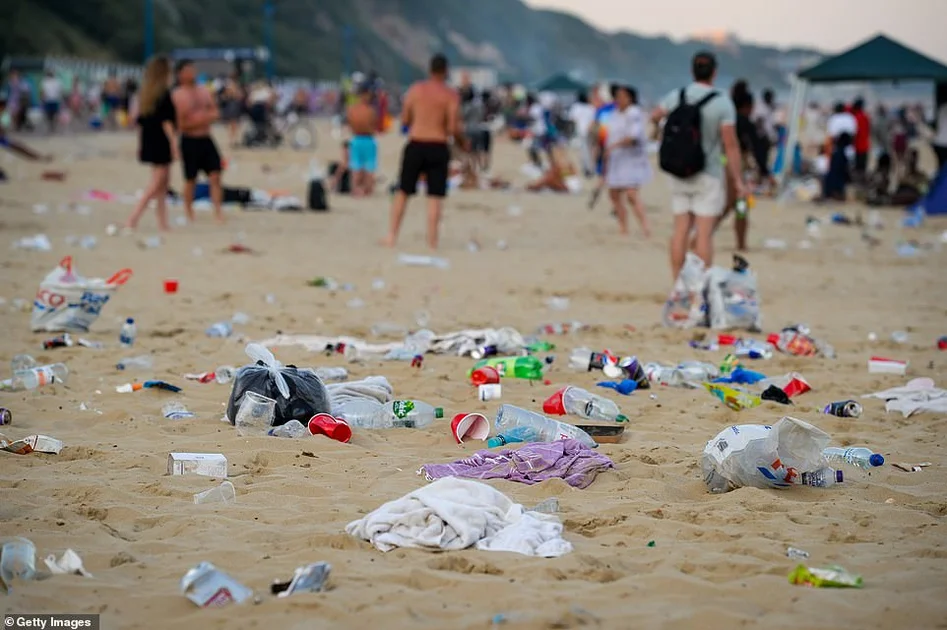
Bournemouth Beach Swamped as Temperatures Soar to Record May Highs
Thousands of residents and visitors descended on Bournemouth's beaches this bank holiday Monday as temperatures reached around 30.2°C, marking what local weather expert Jim Smith of BH Weather described as likely the hottest day in May this century and hotter than any day in June this century. The surge of sun-seekers brought the seaside resort to a standstill, with traffic jams snaking through the town centre and buses reporting delays of up to 60 minutes.
Morebus issued a warning to passengers around 1pm, stating that all services passing through Bournemouth town centre were seeing 'significant delays' due to severe bank holiday traffic queues. The operator advised customers to use the bus tracker and apologised for the disruption, which was expected to last until 11pm. In addition, buses were not serving Bath Road and the top of Bath Hill as visitors poured in.
Litter Left Behind Sparks Anger
The heatwave brought not only crowds but also a mountain of rubbish. BCP councillor Andy Martin, who represents the Highcliffe and Walkford ward, expressed his fury after finding heaps of waste left near Highcliffe Castle beach. He said a resident reported the mess at around 8.15am on Monday, describing a 'horrendous' amount of litter by the cliff path.
'Very angry this morning at the disgusting mess left by visitors to the Highcliffe Castle beach yesterday,' Cllr Martin said. He attended the location alongside the castle team to collect the rubbish, adding: 'The area is a really lovely nature environment. I don't understand how people think it's okay. We live in a lovely area. We're really lucky to live here and anyone who doesn't respect that shouldn't come.'
The Stakes: Balancing Tourism and Local Frustration
Bournemouth's beach has long been a magnet for bank holiday tourists, but this weekend's heatwave intensified the pressure on local infrastructure. The combination of record temperatures, a long weekend, and the easing of travel restrictions created a perfect storm of overcrowding, traffic gridlock, and strained public services. Local businesses did see a welcome boost—Adam Richardson, owner of Picnic Park Deli, celebrated his tenth anniversary and said the timing of the good weather 'could not have been better.' However, the spike in trade came with a downside as never-ending queues at ice cream and refreshment stands indicated demand far outstripped supply.
Traffic Chaos and Illegal Parking
Cars were seen parking illegally across the town centre and neighbouring areas, with residents sharing their frustrations on social media. Wessex Way, a key artery into Bournemouth, was at a standstill. The scene echoed the perennial challenge coastal towns face: how to welcome visitors while maintaining quality of life for locals. The situation also mirrored recent incidents in other seaside destinations; for example, From seaside getaway to manhunt: Southend’s wild week highlighted similar strains on coastal communities during peak periods.
Broader Implications: Climate, Crowds and Community
The Bournemouth heatwave is not an isolated event but part of a wider pattern of extreme weather affecting the UK. As temperatures climb earlier in the year, the pressure on public services and natural environments grows. The record May heat echoes warnings from climate scientists that such spikes will become more frequent, requiring better planning from councils and emergency services.
Lessons from Other Hot Spots
Other regions have faced comparable challenges. During the Hajj 2026 pilgrimage, Hajj 2026 Reaches Climax as Pilgrims Gather for Day of Arafah in Scorching Heat saw authorities grappling with extreme temperatures and crowd management. Similarly, Bournemouth's beach chaos underscores the need for improved waste management, traffic controls, and public information campaigns to prevent a repeat of the litter and congestion that marred this bank holiday.
A Call for Sustainable Tourism
The anger expressed by Cllr Martin reflects a growing sentiment among residents that tourism must be managed responsibly. Bournemouth's beaches are a precious asset, but without investment in infrastructure—such as additional bins, better public transport links, and real-time crowd monitoring—the tension between visitors and locals will only intensify. The challenge now for Bournemouth, Christchurch and Poole (BCP) Council is to turn this weekend's frustrations into a catalyst for change, ensuring that the town can cope with both the heatwaves of the future and the crowds they attract.
As the bank holiday wraps up, the clean-up operation is underway, but the debate about how to balance economic benefits with environmental stewardship is only just beginning.
Comments