
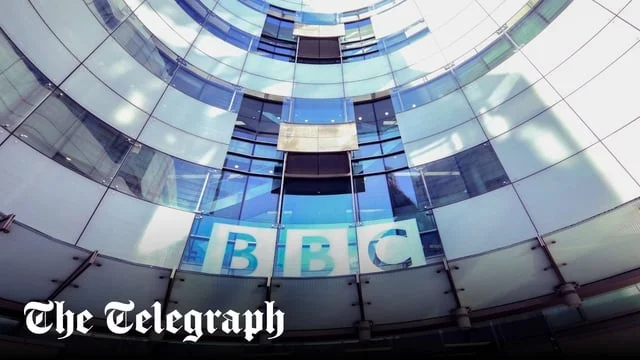
Fewer Than Half of UK Households Will Pay BBC Licence Fee Within a Decade, Report Warns
Fewer than half of British households will pay the BBC licence fee within a decade, according to independent projections that warn the corporation’s funding model is locked in a “spiral of decline.” The analysis, conducted by media consultancy Oliver & Ohlbaum Associates for the Reset Tech thinktank, projects that the proportion of households paying the £180-a-year levy will fall from 77% last year to below 50% by 2034–35 and to less than a third by 2037–38 if the current funding model persists.
The report, published on Monday, also forecasts that licence fee revenue will plummet from £3.8bn to £1.6bn in real terms by 2037–38. Viewing time per television set is predicted to halve from 46 minutes a day in 2024–25 to 23 minutes by 2037. The findings come as Culture Secretary Lisa Nandy prepares to publish proposed changes to the licence fee that would require anyone watching a streaming service to pay it, a plan widely dubbed the “Netflix tax.”
A BBC spokesman said: “We have consistently argued that the current funding model is not sustainable and needs reform. We will continue to engage with government to secure a new charter that provides sufficient, sustainable and universal funding so the BBC can deliver for audiences for generations to come.”
A Cycle of Falling Income and Lower Spending
The Spiral Dynamic
The Oliver & Ohlbaum projections describe an “unsustainable” cycle in which falling licence fee income leads to lower spending on content, which in turn drives away audiences and further erodes income. The report warns that without a sustainable funding model, successors to big-budget BBC productions such as Wolf Hall could face the chop.
The BBC’s own internal modelling is also said to be bleak, with the corporation already making painful cuts to programmes and staff. Licence fee income fell 26% in real terms between 2017 and 2025, according to the BBC, and paying households dropped by 500,000 last year to around 23.3 million. The Office for Budget Responsibility warned last month that the licence fee is on track to exceed £200 by 2031 under the current model.
Pressures on Multiple Fronts
The BBC is grappling with an exodus of viewers to streaming rivals such as Netflix and Disney, while younger audiences increasingly turn to YouTube and TikTok. The cost of making television has risen sharply, and freezes to the licence fee over the past decade, alongside extra costs loaded onto the BBC by previous governments, have left the corporation with less to spend. A string of controversies, including the doctoring of a Donald Trump speech that led to the resignation of director-general Tim Davie this year, has compounded its challenges.
Government Prepares Streaming Levy as ‘Netflix Tax’ Gains Favour
White Paper Expected Before Christmas
Lisa Nandy is reportedly preparing to publish a white paper before Christmas outlining proposed changes to the licence fee. The government is set to force anyone who watches a streaming service to pay the levy, extending the fee beyond live TV and iPlayer viewers. Nandy has said she wants to move the corporation’s financial model onto a more permanent footing, which means opening up new revenues.
Other options, such as a household levy, have already been ruled out by the Treasury as politically impossible. The “Netflix tax” has emerged as the favourite among several potential options discounted during charter renewal talks.
Potential Revenue Boost
Research by Ampere Analysis suggests the plan could raise up to £1.6bn ($2.1bn) for the BBC by 2032 in the most optimistic scenario, which assumes near-universal capture of on-demand and streaming users—99% of the UK population—and “perfect enforcement.” A more realistic figure of £1bn would apply if evasion rates remain similar to current levels. Ampere noted that enforcement would be “difficult,” a point acknowledged by BBC Director-General Matt Brittin.
If the plan generates the full £1.6bn, Ampere suggested the licence fee could be reduced to £150 per year by 2028 rather than rising with inflation. Under the existing model, Ampere forecasts licence fee revenue will drop from roughly £3.9bn in 2026 to £3.8bn by 2032, a small decrease but one that would come amid rapid inflation in the sector.
BBC Pushes for Universal Funding as Charter Renewal Looms
Closing the Gap Between Use and Payment
The BBC has repeatedly stated that 94% of the nation’s households use its services while only 80% pay the fee, and it is desperately trying to close that gap. Having YouTube viewers who do not watch the BBC pay the fee has been floated but is now deemed unlikely by the corporation.
BBC Deputy Director-General Rhodri Talfan Davies joked at a conference last week: “All I want for Christmas is a White Paper.” The corporation is eagerly awaiting the government’s proposals, which could form part of the BBC’s next 10-year charter.
Streaming and News Expansion
The broadcaster, which recently made cuts to flagship shows including Newsnight, announced last month that its 24-hour news channel will start broadcasting on YouTube to attract younger viewers. Brittin has said he wants BBC news content to appear on other streaming sites, including Netflix.
Broader Implications: A Defining Moment for Public Service Broadcasting
A Test Case for Universal Funding
The projections underscore a wider trend facing public service broadcasters globally: as viewing fragments across subscription and on-demand platforms, funding models tied to traditional television ownership become increasingly unsustainable. The BBC’s dilemma—whether to broaden the licence fee to streamers or risk terminal decline—is being watched closely by public broadcasters in other countries grappling with similar pressures.
Extending the licence fee to streamers would put the BBC on a more sustainable footing, but it will be controversial with major streamers such as Netflix, Disney, Amazon and YouTube, as well as their subscribers. The government’s white paper, expected before the end of the year, will set the terms of the debate.
Financial and Political Stakes
The BBC’s funding crisis has significant financial implications. The corporation already faces a real-terms revenue decline that could force further cuts to programming and staff. Politically, the decision on the licence fee’s future will shape the BBC’s role in British public life for a generation. The charter renewal, due in the coming years, will determine whether the BBC remains a universal, publicly funded broadcaster or moves toward a more hybrid model.
For now, all eyes are on Nandy’s white paper—and whether it can break the spiral before it becomes irreversible.
Comments