
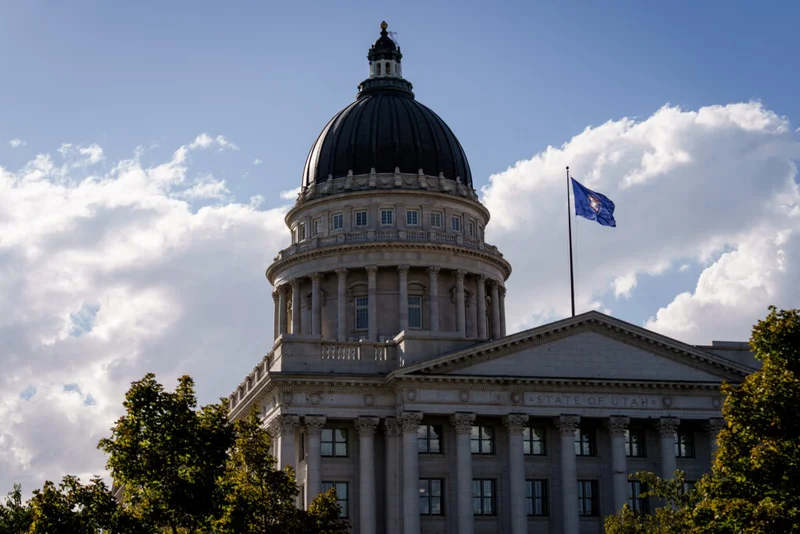
Amendment B Defeated at the Polls
Utah voters have rejected Amendment B, a proposed constitutional amendment that would have raised the threshold for citizen-initiated tax measures from a simple majority to 60%, according to an Associated Press projection. Preliminary results updated Tuesday night showed 62% of voters opposed the measure, with 38% in support, based on more than 595,000 votes counted.
The AP called the race shortly after 9:30 p.m. on Nov. 3. The outcome marks a victory for opponents who argued the amendment would erode direct democracy and shift power to the Legislature, while supporters contended it was a necessary safeguard to prevent narrow majorities from imposing tax burdens on all residents.
"People saw through the smoke and mirrors, and the slander, and smears, and personal insults and attacks," Phil Lyman, a former state legislator and vocal opponent, wrote on social media after the projection.
A Contentious Fight
Amendment B, introduced by Sen. Lincoln Fillmore, R-South Jordan, in January 2025, became one of the most controversial items on Utah's ballot this cycle. It would have required a 60% supermajority for any citizen initiative that seeks to create, change, or expand taxes. Proponents framed it as taxpayer protection. "It addresses a simple principle: If you want to raise your neighbors' taxes, you should have broad support from your neighbors," Fillmore said in a statement last month.
Opponents, including the group Utahns Protecting Our Constitution, spent over $3 million fighting the measure, much of it from out-of-state donors. Spokesperson Scott Cuthbertson said the campaign was "entirely driven by Utah families and taxpayers" and argued that the amendment would strip constitutional rights from citizens. The group was joined by Alliance for Better Utah and Elevate Utah in urging rejection.
Amendment A Poised to Pass
While Amendment B drew the bulk of attention, Utah voters also decided on Amendment A, which appears headed for passage with 60% support, according to preliminary results. That measure eliminates the constitutional requirement that proposed amendments be published in newspapers in every county for two months before an election. Instead, the Legislature would determine publication methods, provided they occur at least 60 days before the vote.
Rep. Anthony Loubet, R-Kearns, noted during committee debate that the change reflects modern information habits. "Nowadays, that's not where people get their information," he said. The amendment follows a 2024 court ruling that invalidated Amendment D, which would have given lawmakers power to repeal voter-approved initiatives, partly due to inadequate publication. A companion bill, HB481, would require amendments to be posted on the state's Public Notice Website and the Legislature's website, effective Jan. 1, 2027, if Amendment A passes.
Why It Matters
The defeat of Amendment B preserves a lower barrier for tax-related ballot initiatives, maintaining a tool that citizens have used to shape fiscal policy. Had it passed, it would have joined a handful of states with supermajority requirements for certain ballot measures, a trend some see as a check on direct democracy and others as a restriction.
The outcome also reflects a broader skepticism toward legislative efforts to alter the initiative process. In 2024, Amendment D was struck down for failing to properly publicize the amendment before the election. Amendment A, by contrast, sailed through the Legislature unanimously in 2025 and now seems set to update outdated publication rules rather than constrain voter power.
The results remain preliminary until the state's board of canvassers certifies them on Nov. 23. But the AP's projection and the wide margin suggest the outcome is all but certain.
Broader Implications
The Amendment B vote signals that Utah voters remain protective of their ability to directly propose and pass tax policies, even as frustrations with tax burdens persist. The House GOP had listed cost of living as a top priority in 2026 policy, and supporters of Amendment B argued it would help keep taxes low. Yet voters apparently found the arguments about legislative overreach more compelling.
Nationally, the result may be watched as a test case for similar proposals in other states. The involvement of out-of-state donors on both sides highlights how local ballot measures can attract national attention when they touch on fundamental questions of governance.
With Amendment A likely passing, future constitutional amendments will be publicized online rather than in print newspapers, a shift that aligns with how most Utahns now consume information. The combination of the two outcomes—rejecting a limit on initiatives while streamlining publication rules—suggests voters are open to procedural updates but wary of substantive changes that could curb citizen power.
As Utahns await final certification, the political landscape has already shifted: the fight over Amendment B may embolden those who favor direct democracy, while supporters of tax limits may regroup for future efforts.
Comments