
WNBA Admits Security Error at Dream-Fever Game Amid Clark Fan Shirt Controversy
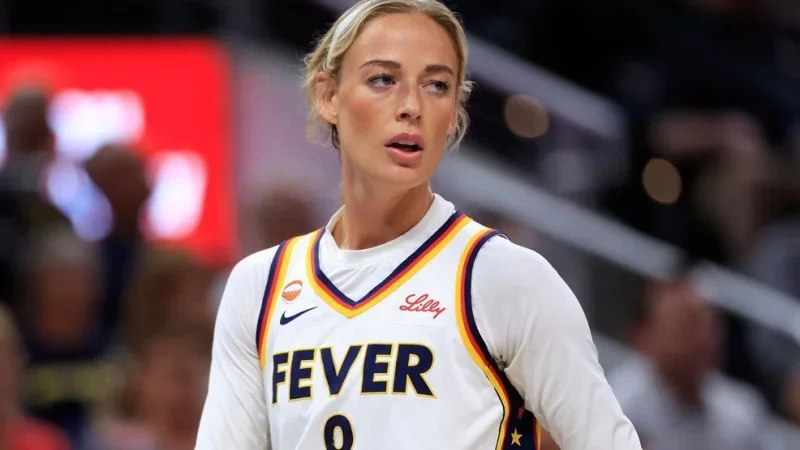
The WNBA has acknowledged that security personnel in Atlanta were wrong to require fans to cover their shirts during the August 16 game between the Atlanta Dream and the Indiana Fever. The admission comes after reports surfaced that attendees wearing shirts supportive of Fever guard Caitlin Clark were told to conceal them or turn them inside out, sparking outrage among fans and commentators.
The league stopped short of naming the individual responsible for the security directive, instead pointing to the Dream organization. The Dream, for their part, have blamed the league for the incident, creating a public disagreement over accountability. In a statement, the WNBA said it has reviewed the matter and will implement measures to prevent similar occurrences, though details remain sparse.
The game itself was a marquee matchup, with Clark continuing her standout season. She was named the Eastern Conference Player of the Week on August 18, her fourth such honor this year, after averaging 25.7 points, 9.7 assists, and 3.3 rebounds per game while shooting 50.9% from the field. The Fever won all three of their games last week, improving their playoff positioning.
Incident Details and Fan Reaction
Witnesses at State Farm Arena reported that multiple fans wearing shirts referencing Clark or the Fever were approached by security and told to cover the garments. Some fans complied, but others refused, leading to heated exchanges. Videos and photos circulated on social media, drawing criticism from fans who called the enforcement arbitrary and heavy-handed.
The controversy has revived debates about the WNBA's handling of fan expression and the intense rivalry between the Fever and the Dream. The Dream, who have struggled this season, lost the game 98-85, a result that only amplified the tension. The league's decision to acknowledge the error, without naming a scapegoat, has left many unsatisfied, as commentators like Dana Perino have suggested the WNBA is "hell-bent on destroying its moment" by allowing off-court distractions to overshadow the sport.
Context: Clark's Stellar Play and the Fever's Playoff Push
Caitlin Clark's performance this week has been a bright spot in a season marked by both record-breaking play and recurring controversies. The Fever, now 24-12, are firmly in the playoff picture, with Clark leading the league in assists and ranking among the top scorers. Her recent double-doubles have solidified her case for MVP, and the WNBA's recognition of her weekly honors underscores her impact.
The Fever's surge has coincided with the return of key players and a favorable schedule. As the playoffs approach, Indiana is eyeing a top-four seed, which would grant them a first-round bye. Their remaining games include a pivotal matchup against the New York Liberty on Saturday, a team that has also been climbing the rankings. The Liberty, now 22-14, are 9-2 since July 20, with their only losses coming against Las Vegas and Indiana.
Related reading: WNBA Playoffs Loom: Stewart, Liberty Struggle to Contain Fever's Historic 3-Point Barrage
The security incident, however, threatens to distract from the on-court product. The WNBA has seen unprecedented growth in viewership and attendance this season, largely driven by Clark and rookie Olivia Miles of the Minnesota Lynx. Yet, incidents like this, along with previous debates over player safety and fan conduct, have fueled criticism that the league is struggling to manage its newfound attention.
The Broader Debate: Fan Expression and League Oversight
The shirt controversy is not an isolated event. Earlier this season, similar issues arose at games involving the Fever and the Dream, including a disputed technical foul on Clark that was later rescinded. Fans have also complained about inconsistent enforcement of dress codes and messaging policies, leading to a sense of unfair treatment, particularly among Clark's large and vocal fanbase.
The Dream's decision to blame the league reflects a broader tension between team-level decisions and central authority. While the WNBA sets overall policies, in-arena security is often contracted locally. This ambiguity has led to confusion about who sets the rules and who enforces them, creating a gap that critics say is ripe for abuse.
Former players and analysts have weighed in, calling for clearer guidelines. "Fans should not be policed for what they wear, as long as it's not hateful or disruptive," one former player said, speaking on condition of anonymity. "The league needs to trust its fans and focus on the game."
Perspective: What This Means for the WNBA's Growth Trajectory
The WNBA's decision to admit fault, while rare, is a step toward accountability, but it also highlights the growing pains of a league that has outgrown its previous operational models. With attendance up 40% and merchandise sales soaring, the league is under pressure to professionalize every aspect of the fan experience. Yet, incidents like this suggest that security and fan relations are still catching up.
The controversy also feeds into a larger narrative about the WNBA's relationship with its most prominent star. Clark has been a lightning rod for both praise and criticism, and her fans have been quick to defend her, sometimes clashing with opposing fan bases. The league's handling of these dynamics will be crucial as it enters the playoffs and looks to build on its momentum.
Some see the security incident as a misstep that could undermine the league's gains. Dana Perino, a Fox News commentator, wrote: "The WNBA seems hell-bent on destroying its moment" – a sentiment echoed by other critics who worry that off-court controversies will overshadow the athletic achievements of players like Clark, Nneka Collier, and Breanna Stewart.
However, others argue that the league's quick acknowledgment of the mistake shows maturity. By admitting fault and promising to review procedures, the WNBA is signaling that it values fan trust. The question is whether this will be enough to quell the criticism and prevent future incidents.
As the playoffs near, the focus should return to the court. The Fever are poised for a deep run, and the Liberty are resurgent. The Lynx remain the team to beat, with the league's best record at 29-7. But the shadow of the shirt controversy may linger, testing the league's ability to control its own narrative.
For fans, the hope is that the WNBA learns from this episode and moves forward without further self-inflicted wounds. The stage is set for a thrilling postseason, and the league can ill afford more distractions. As one analyst put it, "The product on the floor is the best it's ever been. The league just needs to let it speak for itself."
Related: Caitlin Clark’s Tech Rescinded, Fever Top Liberty in Pivotal WNBA Showdown
Comments