
WHO Declares Ebola Outbreak in DR Congo and Uganda a Public Health Emergency of International Concern
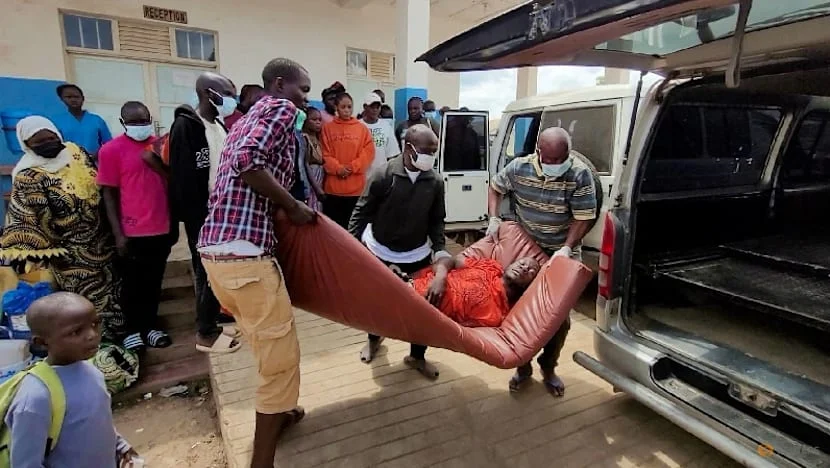
The World Health Organization (WHO) on Sunday declared the rapidly spreading Ebola outbreak in the Democratic Republic of Congo (DRC) and Uganda a Public Health Emergency of International Concern (PHEIC), signaling the highest level of alert for a disease that has already claimed at least 80 lives in eastern DRC’s Ituri province. The declaration, issued on May 17, 2026, comes as health authorities scramble to contain a surge of suspected cases and confirmed infections that have now crossed into neighboring Uganda and reached the DRC capital, Kinshasa.
According to the Africa Centres for Disease Control and Prevention (Africa CDC), the outbreak has produced 246 suspected cases and eight laboratory-confirmed cases, with four deaths among the confirmed patients. Preliminary tests conducted at the Institut National de Recherche Biomédicale (INRB) in Kinshasa detected the virus in 13 of 20 samples analyzed. The strain has been identified as the Bundibugyo virus, a variant less common in past DRC outbreaks but known to cause severe illness. Uganda confirmed its first imported case on Friday, a 59-year-old man who died on May 14 at Kibuli Muslim Hospital in Kampala. A second laboratory-confirmed case in Uganda, unrelated to the first, was reported on Saturday, along with a confirmed case in Kinshasa linked to travel from Ituri.
“The outbreak does not currently meet the criteria for a pandemic emergency, but its rapid geographic spread and the potential for further transmission across borders demand an urgent, coordinated international response,” the WHO stated in its announcement. The agency emphasized that the risk of regional spread remains high, particularly given the proximity of affected areas to Uganda and South Sudan.
Cross-Border Spread and the Race to Contain a 17th DRC Outbreak
The outbreak is the 17th Ebola eruption in the DRC since the virus was first discovered in 1976 in what is now the country. This latest wave began in the gold-mining towns of Mongwalu and Rwampara, high-traffic zones where miners often travel between the DRC and neighboring countries. The suspected index case is a nurse who died at a hospital in Bunia, the capital of Ituri province, on April 24. Officials have not confirmed whether samples from the nurse were tested, but they noted the patient presented Ebola-like symptoms before death.
By the time the outbreak was officially announced on Friday, the death toll had already reached 65, and within 24 hours it climbed to 80 as more suspected deaths were reported. The DRC health ministry, led by Minister Samuel-Roger Kamba, confirmed eight laboratory-confirmed cases across three health zones: Bunia, Rwampara, and Mongbwalu. “Every day, people are dying, and this has been going on for about a week. In a single day, we bury two, three, or even more people,” said Jean Marc Asimwe, a Bunia resident quoted by the Associated Press. “At this point, we don’t really know what kind of disease it is.”
The spread to Uganda has heightened alarm. Uganda’s health ministry confirmed that the first imported case—a 59-year-old man who died on May 14—had traveled from eastern DRC before seeking treatment in Kampala. His body was returned to DRC for burial. A second laboratory-confirmed case was detected on Saturday, and health workers have intensified screening at the entrance of Kibuli Muslim Hospital, using temperature checks to identify potential cases. “Active community transmission is underway,” warned Africa CDC Director-General Dr. Jean Kaseya during an online briefing on Saturday, adding that cases initially emerged in Mongwalu’s mining areas before migrating to Rwampara and Bunia as patients sought medical care.
The Stakes: A Deadly Virus with No Cure and a Fragile Health System
Ebola is a rare but severe viral disease transmitted through direct contact with bodily fluids such as vomit, blood, or semen. Early symptoms include fever, muscle pain, fatigue, headache, and sore throat, followed by vomiting, diarrhea, rash, and bleeding. According to the WHO, the average fatality rate for Ebola is around 50%, though rates vary by outbreak and strain. There is no proven cure, though supportive care and experimental treatments can improve survival odds. The disease can cause severe bleeding and organ failure, often leading to death within days.
The Bundibugyo virus, first identified in Uganda in 2007, has historically caused smaller outbreaks with lower fatality rates than the Zaire strain that drove DRC’s deadliest epidemic between 2018 and 2020, which killed nearly 2,300 people. However, this strain remains highly dangerous, and the current outbreak’s rapid spread through densely populated and highly mobile communities poses a significant challenge. Health workers are racing to intensify screening, contact tracing, and isolation measures, but local health infrastructure in Ituri is fragile, weakened by decades of conflict and limited resources.
The WHO has mobilized teams to support the DRC and Uganda, coordinating with the Africa CDC and local health ministries. Laboratory confirmation of the virus strain is ongoing, and genomic sequencing is expected to help trace the outbreak’s origins and transmission chains. “We are concerned by the high risk of further spread,” an Africa CDC spokesperson said, echoing the need for a robust containment strategy.
International Alarm and a PHEIC Declaration: Why the WHO Chose Its Highest Alert
The WHO’s decision to declare a PHEIC signals that the outbreak poses a serious global threat, even if it does not yet meet the pandemic threshold. The PHEIC label, used for events like the 2014-2016 West Africa Ebola outbreak and the COVID-19 pandemic, activates global coordination mechanisms, and support. It also alerts member states to strengthen surveillance and travel measures to prevent wider transmission.
The declaration came on the heels of Uganda confirming its second case and the DRC confirming a case in Kinshasa, a densely populated capital of over 15 million people. The incident in Kinshasa involves a person traveling from Ituri, raising the specter of transmission in a major urban center with limited capacity to handle infectious disease outbreaks. “The international community must act now to prevent this from becoming a larger catastrophe,” a WHO spokesperson said.
Neighboring countries, including South Sudan, have been urged to enhance screening at borders and prepare for potential cases. The Africa CDC has warned that the outbreak’s epicenter in Ituri’s gold-mining towns creates a “high risk of cross-border spread” due to the constant movement of miners and traders. The organization has also noted that the first cases in Mongwalu were linked to the mining sector, which draws workers from across the region.
The Broader Implications: Lessons from Past Outbreaks and the Path Forward
This outbreak underscores the persistent threat of Ebola in the DRC, a country that has experienced more outbreaks than any other nation. The 2018-2020 epidemic was the deadliest, ending after an intensive vaccination campaign and international coordination. However, the current outbreak arrives at a time when global health attention is fragmented, and resources strained by other crises. It also highlights the dangers of relying on fragile health systems in conflict zones, as Ituri has been plagued by armed group violence that complicates access for health workers and the delivery of supplies.
The spread to Uganda and Kinshasa also illustrates how quickly a localized outbreak can escalate in an interconnected region. The WHO’s PHEIC declaration is designed to prevent such escalation, but success depends on swift action. Health workers on the ground are already facing challenges, including community mistrust and the logistical difficulty of tracing contacts in remote areas.
For the broader public, the outbreak is a reminder that Ebola remains a clear and present danger, one that requires constant vigilance and investment in global health security. While the COVID-19 pandemic dominated headlines for years, Ebola’s high fatality rate and severe symptoms mean that even small outbreaks can be devastating. The current situation echoes past incidents where delayed responses led to unnecessary deaths.
As authorities work to contain the virus, the WHO has called for calm and urged affected communities to follow public health guidance. “We have the tools, the knowledge, and the platforms to stop this outbreak,” a WHO official said, “but they must be deployed rapidly and at scale.” For now, uncertainly persists. Jean Marc Asimwe’s words from Bunia still ring out: “At this point, we don’t really know what kind of disease it is.” But with the world’s highest health alert now in place, the hope is that international action will bring clarity—and an end to the constant burials.
Comments