
Wegovy Pill Now Available in UK: What You Need to Know
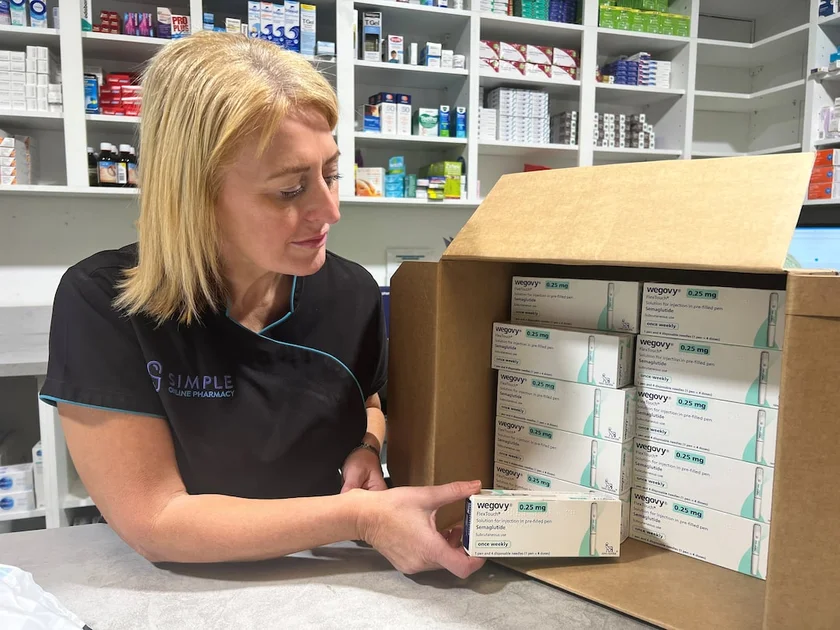
The long-awaited Wegovy weight loss tablet has officially gone on sale in the United Kingdom as of today, July 6, 2026, marking a major shift in how patients can access semaglutide-based obesity treatments. Manufactured by Novo Nordisk, the once-a-day pill contains the same active ingredient as the popular weekly Wegovy injection but offers a needle-free alternative for those who prefer tablets over jabs.
High-street and online pharmacies across Britain are now accepting private prescriptions for the pill, which has been licensed by the Medicines and Health products Regulatory Agency (MHRA) for weight management. The NHS has not yet adopted the pill for routine use, but private providers are already bracing for a surge in demand as patients rush to secure supplies.
According to the BBC, the Wegovy pill is indicated for adults with a body mass index (BMI) of 30 or above (classified as obese) or those with a BMI between 27 and 30 (overweight) who also have at least one weight-related health condition, such as type 2 diabetes or high blood pressure. A mandatory consultation — either online or in person — is required before a prescription can be issued, ensuring the medication is appropriate for each individual.
Key Differences Between Pill and Injection
While both the tablet and the injection rely on semaglutide — a GLP-1 receptor agonist that mimics a natural hormone to suppress appetite and regulate blood sugar — their administration methods differ significantly.
The pill must be taken once daily on an empty stomach, first thing in the morning, with only a small glass of water. Patients are then required to wait at least 30 minutes before eating, drinking, or taking any other oral medications. This fasting requirement may be inconvenient for some individuals, but the pill does not need refrigeration, making it easier to store and travel with.
In contrast, the once-weekly injection can be administered at any time of day but must be kept refrigerated. For patients who dislike needles or cannot access cold storage reliably, the tablet offers a welcome alternative. However, for those who find a daily fasting routine burdensome, the weekly jab may remain the more practical choice.
The Stakes: Surging Demand and Counterfeit Concerns
The arrival of the Wegovy pill comes at a time when demand for weight loss medications has exploded globally. Semaglutide has been hailed as a breakthrough treatment for obesity, with millions of patients already using the injectable versions. The introduction of a pill form is expected to widen access further, particularly among individuals who are needle-phobic or prefer oral medications.
But the launch has also raised alarms about patient safety and the potential for a parallel black market. A poll of 310 pharmacies conducted by the National Pharmacy Association (NPA) found that 97% of pharmacists are concerned about counterfeit weight loss pills flooding the market. The NPA warned that criminals are likely to exploit the high demand by selling fake or unlicensed versions of the drug, which could contain harmful ingredients or incorrect dosages.
Olivier Picard, chairman of the NPA, told the Daily Star: "Pharmacies are concerned about a dangerous and growing black market for weight loss medicines, with tablet form of medication likely to be easier for criminals to counterfeit." He urged patients to only obtain the medication through regulated pharmacies after a thorough consultation and to be wary of websites offering prices that seem too good to be true.
Pricing and Availability
The Wegovy pill is available through private prescriptions at a cost that varies by dosage. According to reports from the Mirror, starter doses (1.5 mg and 4 mg) are expected to cost between £80 and £100 per month. Mid-range doses will run from £140 to £190, while higher doses could exceed £200 per month. These prices are comparable to the cost of the injectable version, though the tablet may appeal to patients who prefer not to deal with needles.
Some pharmacies have already set up waiting lists and mailing lists to manage anticipated demand. The NPA survey indicated that 76% of pharmacies expect a wave of new eligible patients seeking the pill in the coming months.
Broader Implications: A New Era for Obesity Treatment
The UK approval of the Wegovy pill represents a significant milestone in the evolution of weight management therapies. Until now, GLP-1 drugs were almost exclusively available as injections. The arrival of an oral formulation could normalize daily medication for obesity, shifting public perception from a lifestyle issue to a chronic medical condition requiring pharmacological intervention.
This shift is not without controversy. The Mirror reported that weight loss medications can lead to dangerous muscle and bone density loss if not accompanied by proper dietary changes and physical activity. Experts stress that semaglutide should be used alongside a healthy diet and increased exercise, not as a standalone "silver bullet." Patients who rely solely on the pill without adopting lifestyle modifications risk losing lean body mass, which can have long-term health consequences.
Additionally, the growing popularity of weight loss drugs has raised questions about access and equity. While private prescriptions are available immediately, the NHS rollout remains slow. Olivier Picard noted: "The NHS rollout remains extremely slow and community pharmacy is ready to support a wider rollout, which will help eligible patients access treatment safely and help mitigate the impact of obesity on the NHS." Public health advocates argue that making these medications available on the NHS could reduce the burden of obesity-related diseases, including type 2 diabetes, cardiovascular disease, and certain cancers.
Side Effects and Safety Considerations
Both the pill and the injection carry similar side effects, the most common being nausea, constipation, diarrhea, and vomiting. These gastrointestinal symptoms are typically mild to moderate and often subside as the body adjusts to the medication. However, patients are advised to start with a low dose and gradually increase under medical supervision.
Semaglutide has also been linked to more serious risks, including pancreatitis, gallbladder disease, and thyroid tumors, though these are rare. Patients with a personal or family history of medullary thyroid carcinoma or Multiple Endocrine Neoplasia syndrome type 2 should not use the drug.
The MHRA has approved the Wegovy pill only for adults, and its safety in pregnant or breastfeeding women has not been established. Anyone considering the medication should discuss their full medical history with a healthcare professional.
What This Changes: The Future of Weight Management
The launch of the Wegovy pill is likely to accelerate the trend toward treating obesity as a medical condition that can be managed with pharmaceuticals, much like hypertension or high cholesterol. For patients who have struggled with weight loss through diet and exercise alone, the availability of a daily pill removes one more barrier to treatment.
However, the black market threat cannot be ignored. As counterfeit weight loss drugs soar — as reported by the Daily Star — patients are urged to remain vigilant. The NPA has advised anyone who suspects they have purchased a fake or unlicensed medication to speak to their local pharmacist immediately. The association also emphasized that regulated pharmacies will always require a consultation before prescribing, which helps verify patient eligibility and monitor for adverse effects.
A Cautionary Note on Counterfeits
With the tablet form easier for criminals to counterfeit than pre-filled injection pens, the risk of dangerous fakes is higher than ever. The Mirror highlighted that pharmacists across Britain are warning patients to avoid unlicensed online sellers, particularly those that do not require a consultation or offer prices far below market rates. Consuming counterfeit medication can lead to serious health complications, including toxicity from unknown ingredients or ineffective treatment that delays proper care.
The NPA survey also found that 49% of pharmacies have already experienced a surge in queries about counterfeit weight loss products, underscoring the need for public education.
Conclusion: A Promising but Cautious Step Forward
The Wegovy pill is a landmark development in the fight against obesity, offering a convenient alternative to injections and expanding the range of treatment options. For patients who meet the eligibility criteria, it provides a medically supervised path to weight loss that, when combined with lifestyle changes, can produce meaningful results.
Yet the excitement around the launch must be tempered with caution. Counterfeit risks, high costs, and the necessity of proper medical oversight mean that the pill is not a quick fix but a tool to be used responsibly. As the UK adjusts to this new era of oral GLP-1 therapy, the balance between access, safety, and affordability will determine whether the promise of the Wegovy pill is realized without unintended harm.
For those interested in broader health and wellness trends, recent coverage of Summer McIntosh Chases Elusive 200 Fly World Record at Canadian Trials highlights the ongoing conversation around peak physical performance, while the extreme conditions surrounding 16 Children Rescued From Ohio Horror House Were ‘Almost Feral,’ Sheriff Says serve as a stark reminder of the importance of community health and safety.
Comments