
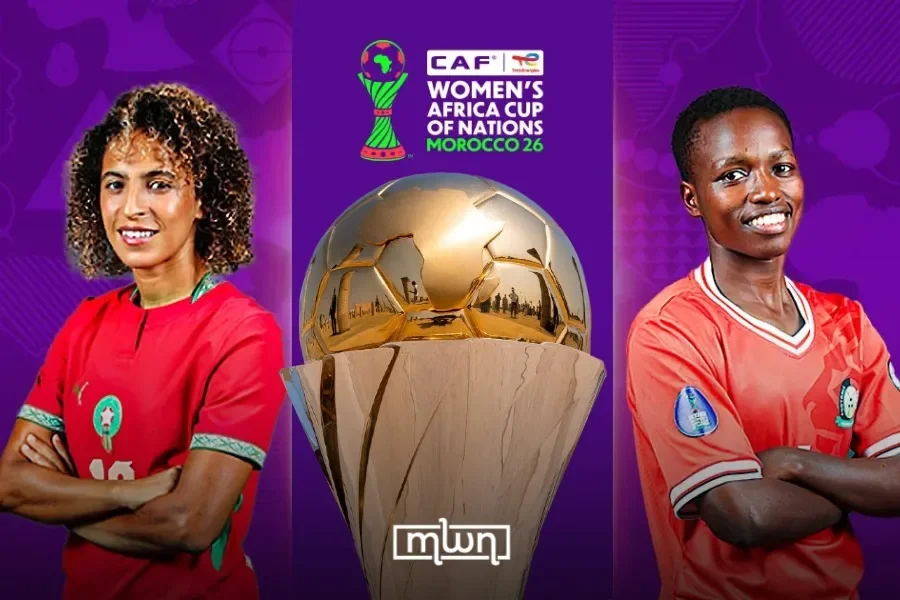
WAFCON 2026 Opens in Morocco with Historic 16-Team Lineup and World Cup Stakes
The 2026 Women’s Africa Cup of Nations (WAFCON) officially kicks off today, July 26, in Morocco, featuring a record 16 nations competing for continental glory and automatic qualification to next year’s FIFA Women’s World Cup in Brazil. The tournament, organized by the Confederation of African Football (CAF), runs until August 16 across venues in Rabat and Casablanca.
Defending champions Nigeria enter the competition as overwhelming favorites, having won 10 of the previous 13 editions of WAFCON. The Super Falcons, sporting 10 stars above their crest, begin their title defense in Group B alongside Malawi, Zambia, and Egypt. Host nation Morocco, which has reached the final in the last two editions but fallen short both times, aims to finally claim its first title on home soil.
The opening fixture sees Algeria face Senegal at the Rabat Olympic Stadium—a significant first-ever WAFCON meeting between the two sides. Senegal, seeking to improve on back-to-back quarterfinal finishes in 2022 and 2024, has set its sights on reaching the semifinals and securing a historic World Cup berth.
Tournament Format and Key Matchups
The expanded tournament features four groups of four teams, each playing a round-robin format. The top two from each group advance to the quarterfinals, followed by semifinals, a third-place playoff, and the final. Group A includes Algeria, Senegal, Tunisia, and Togo. Group C features Ghana, Mali, Kenya, and debutants Burundi. Group D contains Morocco, Cameroon, DR Congo, and Botswana.
One of the most anticipated group-stage clashes pits Zambia’s fearsome attacking trio of Barbra Banda, Racheal Kundananji, and Prisca Chilufya against Malawi’s Chawinga sisters, Temwa and Tabitha, in Group B. Nigeria’s depth and experience make them clear group favorites, but the battle for second place promises high drama.
The tournament was originally scheduled for March–April but was postponed just 12 days before its start, before being unexpectedly expanded from 12 to 16 teams. This has added logistical challenges but also increased the breadth of talent on display.
Why WAFCON 2026 Matters: World Cup Qualifying and Growing Stature
This edition of WAFCON carries double significance: not only does it crown Africa’s best women’s national team, but the four semifinalists earn automatic qualification to the 2027 FIFA Women’s World Cup in Brazil. The four quarterfinal losers will enter a playoff bracket, with the winner advancing to a six-team intercontinental playoff later this year and early 2027 for one additional spot.
For many teams, this represents the most realistic path to their first World Cup appearance. Malawi, boasting the prolific Chawinga sisters, is eyeing a strong debut that could lead to Brazil. Senegal, under coach Mame Moussa Cissé since 2019, sees this as its best opportunity to break through after three consecutive quarterfinal exits.
“The legitimate ambition today is to try to reach the final and go to the World Cup,” Cissé said before the tournament. “If I thought otherwise, we would have stayed in Senegal. We have a mix, a very cohesive group. I think we are ready.”
Morocco, which co-hosted the 2025 men’s Africa Cup of Nations and is set to co-host the 2030 men’s World Cup, has become a hub for African football. Hosting WAFCON for the third consecutive time underscores the country’s investment in women’s sports and its ambition to be a continental leader. Coach Jorge Vilda, who led Spain to Women’s World Cup glory in 2023, now carries the weight of expectations for the Atlas Lionesses.
Broadcast and Viewing Information
WAFCON 2026 will be broadcast across multiple platforms. In North Africa and the Middle East, beIN Sports holds rights, while Morocco’s SNRT and Algeria’s EPTV provide local coverage. Sub-Saharan African viewers can watch via SuperSport (DStv and GOtv), Canal+ Afrique, New World TV, and SportyTV. Select matches will also air free-to-air on public broadcasters like Nigeria’s NTA, South Africa’s SABC Sport, Ghana’s GBC, and Kenya’s KBC, in addition to digital streaming options.
Fans unable to attend matches in Rabat and Casablanca can follow live updates through CAF’s official channels and various sports news outlets.
Broader Implications: Women’s Football on the Rise in Africa
WAFCON 2026 arrives at a pivotal moment for women’s football in Africa. The expanded field reflects growing investment, improved grassroots development, and increased competitiveness across the continent. Beyond the immediate prize of a World Cup spot, the tournament showcases the depth of talent emerging from African nations—players like Zambia’s Barba Banda, Senegal’s Nguenar Ndiaye, and Malawi’s Chawinga sisters have already made their mark internationally.
The postponement and expansion, while disruptive, signal CAF’s commitment to growing the women’s game. The 22-day schedule allows for proper rest and recovery, reducing the physical toll on players who often compete in under-resourced domestic leagues. For host Morocco, successfully staging back-to-back major tournaments (men’s AFCON in 2025 and WAFCON in 2026) reinforces its credentials as a reliable football host ahead of the 2030 World Cup.
As climate-related disruptions to sports schedules become more common—similar to the extreme heat warning gripping the U.S. Southwest—Africa’s ability to adapt and deliver major tournaments offers lessons for other regions. The success of WAFCON 2026 could influence future CAF decisions on tournament formats, scheduling, and host selection.
For the 16 teams competing, the next three weeks represent a chance to change the trajectory of women’s football in their countries. Whether it’s Nigeria’s quest for an 11th title, Morocco’s bid to finally win on home soil, or Senegal’s attempt to break new ground, WAFCON 2026 promises compelling storylines and high-stakes action that will resonate far beyond the final whistle on August 16.
Comments