
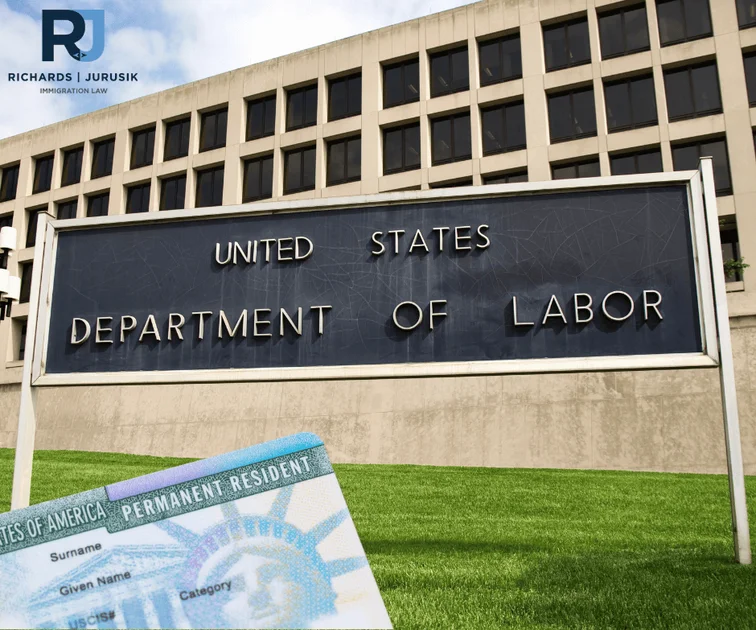
Labor Department Unveils Sweeping PERM Changes
The US Department of Labor on Monday proposed the first comprehensive overhaul of the Permanent Labor Certification (PERM) program in nearly two decades, introducing stricter recruitment requirements and new protections for American workers that could make it significantly harder for employers to sponsor foreign workers for employment-based green cards.
The proposed rule, scheduled for publication in the Federal Register on Tuesday, would require employers to advertise job openings for at least 90 calendar days, impose restrictions on companies that have recently laid off US workers, and eliminate the Schedule A exemption that currently allows nurses, physical therapists, and certain other workers to bypass individual labor market testing. The department said the changes aim to modernize the PERM process and ensure that qualified American workers are given priority before employers turn to overseas talent.
"This marks the first comprehensive set of regulatory reforms to the PERM program in nearly 20 years," the Labor Department said in a news release. The proposal is not a final rule and does not immediately change employers' obligations; it will be open for public comment for 60 days following formal publication.
Key Provisions of the Proposed Rule
Under the proposal, employers would be barred from filing PERM applications if they laid off US workers in the same or similar occupations and area of employment during the previous two years. They would also be required to continue considering qualified American workers who lose their jobs during the labor certification and immigrant petition processes.
The recruitment process would shift away from traditional print-based advertising toward digital channels, including company websites, online job portals, social media platforms, job fairs, and university campus recruitment programs. Employers would need to maintain evidence of their genuine efforts to find qualified American candidates and advertise positions for at least 90 days—or longer if the employer routinely advertised comparable jobs for longer periods during the preceding year.
The proposal also targets staffing companies, strengthening protections for laid-off US workers in arrangements involving such firms and expanding requirements to notify workers about applications. Additionally, it would end Schedule A, which currently exempts professional nurses, physical therapists, and qualifying workers with exceptional ability in the sciences or arts from individual labor market testing. Employers submit these cases directly to US Citizenship and Immigration Services, which reviews the labor certification documentation.
For employers already preparing applications, the department proposes a 90-day transition period following publication of a final rule.
Why the PERM Program Matters
The PERM program is a critical step in the employment-based immigration process, serving as the mechanism through which employers demonstrate that there are not enough qualified US workers available for a job before sponsoring a foreign worker for an EB-2 or EB-3 green card. Labor certification addresses whether an employer can fill a permanent position with a foreign worker without disadvantaging qualified US workers. It is one stage of the immigration process, not permission by itself to become a permanent resident.
The proposed changes come amid increased scrutiny of employers using PERM. In October, Vice President JD Vance announced that Microsoft and several other companies would be suspended from the program over alleged fraud, while the Department of Justice has reached settlements with Instacart and OpenAI over alleged discrimination against US workers in PERM recruitment. Tech giant IBM also announced Tuesday that it would discontinue visa and green card sponsorship for the majority of affected roles in IBM Consulting, citing changes in available skills and client needs.
The Trump administration has imposed tougher restrictions across the legal immigration system, including changes directing most green card applicants in the US to go through consular processing abroad. The PERM overhaul is part of a broader effort to tighten employment-based immigration and prioritize American workers.
Impact on Employers and Foreign Workers
The proposed rule would significantly affect companies that rely on PERM to sponsor foreign workers, particularly in industries such as technology, healthcare, and higher education. Employers would need to adjust their recruitment practices, extend advertising periods, and carefully document their efforts to hire American workers. Companies with recent layoffs in related occupations could face outright bars on filing PERM applications for affected roles.
The elimination of Schedule A would be particularly consequential for healthcare providers, who have long relied on the exemption to expedite the hiring of nurses and physical therapists. Without the exemption, employers would need to conduct individual labor market tests for these positions, adding time and cost to the sponsorship process.
For foreign workers, especially Indian professionals who make up a large share of employment-based green card applicants, the changes could lengthen wait times and increase uncertainty. The proposal's restrictions on employers with recent layoffs could also limit job mobility for workers already in the US on temporary visas.
Context: A Decade of Rising Scrutiny
The PERM program has faced growing criticism in recent years, with critics arguing that it is vulnerable to fraud and abuse. The Department of Labor has increased audits and enforcement actions, and the Justice Department has pursued cases against companies accused of discriminating against US workers in their recruitment practices.
The proposed overhaul follows a series of high-profile enforcement actions. The suspensions of Microsoft and other companies, along with settlements with Instacart and OpenAI, signal a more aggressive stance toward employers that fail to comply with PERM requirements. IBM's decision to scale back sponsorship reflects the changing landscape for employers navigating the immigration system.
The administration's broader immigration policies, including the shift toward consular processing for most green card applicants, have already created new challenges for employers and foreign workers. The PERM proposal adds another layer of complexity, potentially making the employment-based green card route less attractive for both companies and workers.
Economic and Political Stakes
The employment-based immigration system is closely tied to US economic competitiveness, particularly in sectors that rely on specialized foreign talent. Tech companies have long argued that restrictive immigration policies make it harder to recruit and retain top global talent, while labor unions and worker advocacy groups have pushed for stronger protections for American workers.
The proposal seeks to balance these competing interests by strengthening labor market testing while maintaining the availability of employment-based green cards. However, critics may argue that the changes could discourage employers from sponsoring foreign workers and reduce the US's ability to attract skilled professionals.
The timing of the proposal, coming after the administration's immigration crackdown and high-profile enforcement actions, suggests that the PERM overhaul is part of a deliberate strategy to reshape legal immigration. The public comment period will provide an opportunity for employers, workers, and advocacy groups to weigh in before the rule is finalized.
Perspective: A New Era for Employment-Based Immigration
The proposed PERM overhaul represents a significant shift in how the US manages employment-based immigration. By requiring longer advertising periods, imposing restrictions on employers with recent layoffs, and eliminating Schedule A, the rule would make it more difficult and costly for employers to sponsor foreign workers. This could lead to fewer PERM applications and a reduction in employment-based green card issuance.
For employers, the changes would necessitate more robust recruitment efforts and careful documentation. Companies may need to invest in compliance systems and adjust their hiring strategies to account for the new requirements. Some may choose to focus on hiring American workers or relocate positions abroad, rather than navigate the more complex sponsorship process.
For foreign workers, the proposal adds another hurdle to an already challenging immigration system. The longer advertising periods and stricter labor market testing could extend the time it takes to obtain a green card, and the restrictions on employers with recent layoffs could limit job opportunities. The elimination of Schedule A would particularly affect healthcare workers, who are in high demand in the US.
The broader trend is clear: the US is moving toward a more restrictive employment-based immigration system that prioritizes American workers and increases oversight of employers. This aligns with the administration's overall immigration agenda and could have long-term implications for the US economy and its ability to attract global talent.
As the public comment period begins, stakeholders will have a chance to shape the final rule. However, the direction of travel is unmistakable: employment-based green cards are becoming harder to obtain, and employers will need to adapt to a new reality.
What Comes Next
The proposed rule will be published in the Federal Register on Tuesday, kicking off a 60-day comment period. The Department of Labor will review comments before issuing a final rule, which could take several months. Employers and foreign workers should monitor the process closely and prepare for potential changes.
In the meantime, the administration's enforcement actions against companies accused of PERM violations are likely to continue, sending a strong signal that compliance is essential. The PERM program, once a relatively routine step in the green card process, is now a focal point of immigration policy and enforcement.
For those navigating the system, the message is clear: the rules are changing, and the bar for sponsorship is higher than ever.
Comments