Beckham Files $41 Million Lawsuit Against Coty Over Discount Distribution
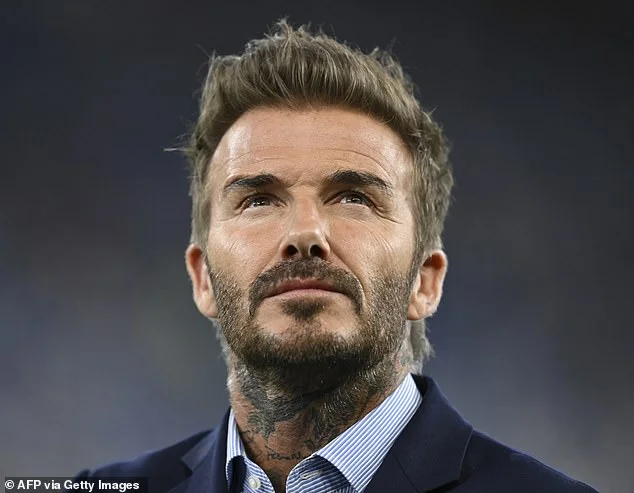
David Beckham has launched legal action against perfume manufacturer Coty, alleging that his branded fragrances were sold through unauthorised discount channels including Poundland and petrol stations. The lawsuit, filed at the New York Supreme Court, seeks compensation and damages totalling $41 million (approximately £31 million), according to court documents reported on November 16, 2026.
The 51-year-old billionaire, who has produced 45 different David Beckham fragrances in partnership with Coty, was said to be "shocked and dismayed" when his company DB Ventures discovered the products being offered for sale at a gas station. Legal papers state that Coty distributed David Beckham fragrances through the budget retailer Poundland, "allowing the product to be sold for dollar store prices and associating the David Beckham brand with cheap, discount products."
Beckham's lawyers claim that Coty has sold $24 million (£18 million) worth of Beckham products through "unapproved distribution channels." The fragrances typically retail for around £20 per bottle.
The Stakes: Brand Value and a Lucrative Licence
The dispute centres on the commercial control of one of celebrity branding's most successful fragrance portfolios. Beckham's fragrances, developed over years of partnership with Coty, have become a significant revenue stream within his broader business empire. His ability to monetise his name has made him one of Britain's wealthiest former athletes, with endorsement deals spanning Pepsi, Gillette, and Adidas.
The timing of the lawsuit reflects deeper commercial manoeuvring. In 2025, Authentic Brands Group, which owns the Beckham name, reportedly approached Coty's rivals at Interparfums to negotiate the sale of the fragrance licence. A deal was announced in January and is set to begin next year. Beckham is said to have become unhappy with Coty's distribution strategy, which he claims is cheapening his brand ahead of the transition.
Coty has filed its defence asking for the case to be dismissed and denies that the aftershaves were ever sold in Poundland. The company argues it has the right to decide where its David Beckham range is sold. Coty's lawyers told reporters: "This is not about protecting the David Beckham brand," arguing instead that the action is driven by a desire to hand the licence to Interparfums "years before the agreement expires in 2028… to manufacture its early exit."
Legal Battle Raises Questions Over Celebrity Brand Control
The case highlights a growing tension in celebrity licensing: who controls how a famous name is positioned at retail, and what happens when manufacturer and brand owner disagree. For Beckham, whose personal brand has been carefully cultivated over two decades, the presence of his fragrances in budget retailers represents more than a distribution dispute — it touches on the perceived exclusivity that underpins licensing fees.
The lawsuit also underscores the complexity of multi-party brand ownership. Authentic Brands Group owns the Beckham name, Coty holds the fragrance licence until 2028, and Interparfums is waiting in the wings. Each party has different incentives, and the litigation may determine how much control a celebrity has over distribution decisions made by their licensing partners.
Documents filed in the New York Supreme Court will now proceed, with Coty seeking dismissal. The outcome could set a precedent for how celebrity endorsement deals handle unapproved distribution channels in an era where discount retail and grey-market sales are increasingly common.
For now, Beckham — whose commercial ventures during the 2026 World Cup helped lift his company's profits by nearly 50% — is pursuing a remedy through the courts. Whether the claim succeeds may depend on how the court interprets the balance between a manufacturer's distribution rights and a brand owner's interest in protecting image and exclusivity.
Comments