
Passenger Restrained with Duct Tape After Midair Disturbance Forces Diversion
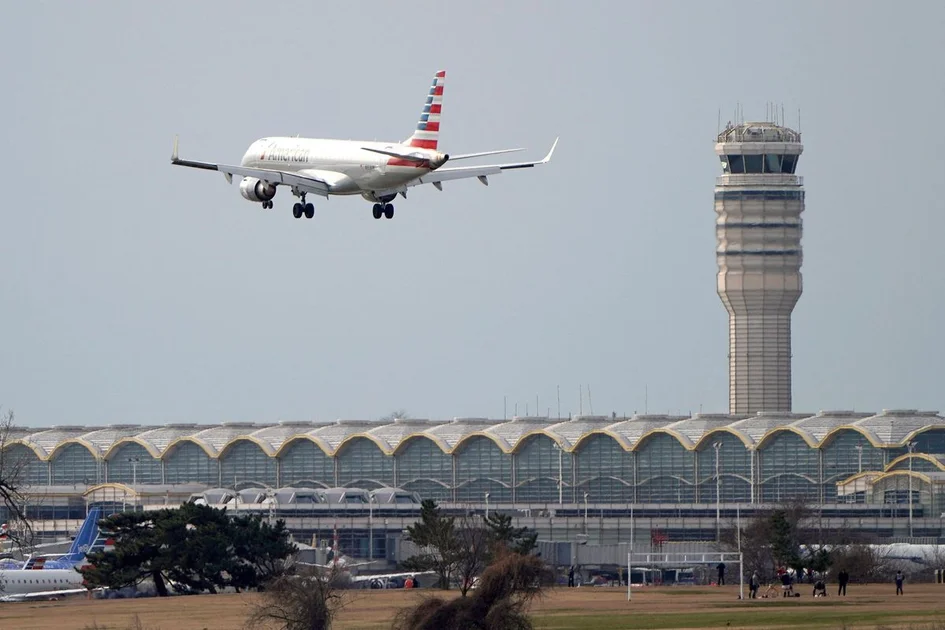
A man was arrested Thursday night after he became so disruptive on an American Airlines flight from Dallas to Newark that fellow passengers and crew used duct tape and zip ties to restrain him, according to authorities and witnesses. The aircraft, flight AA 618, was diverted to Baltimore/Washington International Thurgood Marshall Airport (BWI) around 10:15 p.m. after the situation escalated, the Federal Aviation Administration said.
Arthur Lundeen, 67, of Arizona, was taken into custody by Maryland Transportation Authority Police after the plane landed. He was charged with disorderly conduct and second-degree assault for incidents that occurred aboard the aircraft, police said. The FBI and American Airlines are also investigating the incident.
What Happened on Board
Passengers described a sudden and violent outburst about two hours into the flight. Juan Mejia, a retired law enforcement officer, and Richard Olenick, who were seated two rows ahead of Lundeen, told CBS News New York that the cabin went from calm to chaos in an instant. “Just like a light switch, all of a sudden, it went from quiet to yelling and chaos,” Mejia said.
Witnesses said Lundeen began hurling racial slurs and vulgar insults at flight attendants and passengers, including women seated near him. “He called one of the flight attendants the N word,” Olenick said. Mejia added, “Everyone who was in first class was basically victimized by his spewing of hatred and the discrimination, and the hostility, and vulgarness that was coming out of his mouth.”
The situation turned physical when Lundeen allegedly grabbed a passenger by the neck. “I turned around to look, and the poor gentleman that was sitting next to him in the aisle seat, the individual had his hands around his neck and was, like, assaulting him,” Mejia said.
Mejia and Olenick intervened, using duct tape and zip ties provided by a flight attendant to secure Lundeen to his seat. The passenger fought back, biting Mejia’s hand and sustaining self-inflicted cuts that left blood on the restrainers. “He bit my hand. He didn't break skin, just left teeth marks on my hand. We were covered in his blood,” Mejia said. “He was bleeding quite a bit from cuts that he inflicted on himself.”
Despite the provocation, both passengers praised the flight crew for remaining calm. They also noted that flight attendants had mentioned Lundeen had been given only one alcoholic drink, though the trigger for his outburst remains unclear.
Why This Incident Matters
The incident underscores a persistent challenge for airlines and federal agencies: unruly passengers continue to pose safety risks, even as overall numbers have declined from pandemic-era peaks. According to the FAA, it received over 6,000 reports of unruly passenger behavior in 2021, a year that saw a spike in such cases. While numbers dropped to about 2,400 in 2023, incidents still occur regularly, often involving alcohol, disputes over masks (during the height of COVID-19), or other stressors.
The FAA has adopted a zero-tolerance policy since 2021, referring serious cases to the FBI for criminal prosecution. Penalties can include fines up to $37,000 per violation. In this case, the FAA is investigating, and Lundeen faces state charges in Maryland, the first jurisdiction to assert authority after the diversion.
Airlines have also taken steps to mitigate risks: they now often limit alcohol service on flights where disruptions may occur, and crew members are trained in de-escalation techniques. However, as this incident shows, physical intervention by passengers is sometimes necessary when a person becomes violent.
The Role of Passenger Intervention
The actions of Mejia and Olenick, both retired law enforcement officers from the New York area, were crucial in containing the situation. They said they acted to protect other passengers and crew, not to harm Lundeen. “We weren't looking to hurt this individual; we were looking more to restrain him and control him, so it didn't escalate to go any further,” Mejia said.
Their willingness to intervene raises questions about the legal and safety responsibilities of civilians in such situations. While airlines encourage passengers to report concerns, physically restraining a person can carry legal risks. However, in this case, witnesses and authorities have not suggested that the two men acted improperly.
The two men stayed with Lundeen until law enforcement boarded the plane in Baltimore, ensuring he could not continue his rampage. The flight then continued to Newark, arriving late but without further incident.
Broader Trends and What This Means for Air Travel
This is not the first time duct tape has been used to subdue an unruly passenger. In 2021, a passenger on a Frontier Airlines flight was taped to his seat after allegedly assaulting flight attendants. In 2020, a woman was taped to a seat on a United flight after trying to open the cockpit door. These incidents highlight the limits of non-lethal restraint options available in a confined aircraft cabin.
Aviation safety experts argue that duct tape, while not official equipment, is often the most practical solution when a passenger becomes violent. Flight attendants are trained in physical restraint techniques, but they are outnumbered by passengers. Crew members have limited access to handcuffs, and tasers or firearms are only available to federal air marshals, who may not be on every flight.
The FAA and airlines have repeatedly emphasized that passengers who endanger others face severe penalties. Under federal law, interfering with a flight crew can result in up to 20 years in prison. The agency has also urged passengers to report unruly behavior and to assist crew in extreme cases.
What Happens Next
Lundeen was released or is being held depending on court proceedings, though specific bail information was not released. He faces charges in Maryland, which could be supplemented by federal charges. The FBI is investigating, which could lead to federal prosecution if federal anti-riot or assault statutes apply.
American Airlines said in a statement that it is cooperating with authorities and that the passenger will be banned from future travel on the airline, consistent with its policy for disruptive passengers. The airline also thanked crew members and passengers for their handling of a difficult situation.
A Pattern of Disruptions
The incident comes as the travel industry continues to recover from the pandemic. Unruly passenger cases spiked in 2021, when mask mandates were in effect, but they have persisted at lower levels since. According to FAA data, there were about 1,700 reports in 2024 and roughly 1,300 in 2025. As of September 2026, the agency has logged approximately 1,000 reports, putting the year on track to be slightly below last year.
Alcohol remains a frequent factor, though the FAA and airlines have tightened rules on serving alcohol to passengers who appear intoxicated. In this case, crew members told witnesses that Lundeen had received only one drink, suggesting that mental health issues may also be at play.
Passenger rights advocates point out that violent outbursts can stem from undiagnosed conditions, and they call for better crew training in de-escalation and mental health first aid. Airlines have begun incorporating such training, but the challenge remains: how to balance passenger safety with respect for those who may be suffering a medical emergency.
The Fine Line Between Safety and Civil Liberties
The use of duct tape to restrain someone triggers debate about proportionality and legality. While no one disputes that the actions taken were necessary in the moment, aviation law is clear: passengers must comply with crew instructions, but they are also individuals with rights. The airline and law enforcement will need to show that force used was reasonable given the threat.
In this case, witnesses described Lundeen as aggressive and physically violent, so the restraint appears justified. But such incidents highlight the need for better tools, such as specially designed soft restraints that are not as crude as duct tape.
The Takeaway for Travelers
For the flying public, this incident is a reminder to remain calm and follow crew instructions during any disruption. It also shows that ordinary passengers can make a difference, but only as a last resort when safety is at risk.
As for the immediate aftermath, the passengers who helped restrain Lundeen have been praised by their fellow travelers, and they say they simply did what was necessary. “We were just trying to keep everyone safe,” Olenick said.
The FAA and FBI continue their probes, and Lundeen’s legal troubles are just beginning. How the courts handle this case will likely set a precedent for how similar incidents are prosecuted in the future, especially now that the pandemic-era shift has normalized stricter enforcement.
Conclusion
The duct-taping of an unruly passenger on an American Airlines flight is a dramatic example of the ongoing issue of air rage. While this incident ended without major injuries, it underscores the need for continued vigilance, improved training, and a legal system that deters such behavior. As the travel industry moves forward, ensuring safety for all on board remains the top priority, both for airlines and for the passengers who sometimes have to step in.
For more on how passenger disruptions can affect airline operations, you might consider reading about how extreme weather can ground flights, as in this piece on Burning Man Rain Turns Playa to Mud, but Clearing Skies Expected. And for a look at how legal challenges can arise in other contexts, see Attorneys Mount Legal Fight to Free 1,900 Children Stuck in US Immigration Custody.
Comments