
Opening
Ukrainian Forces Target Akhtubinsk Airfield in Overnight Strike
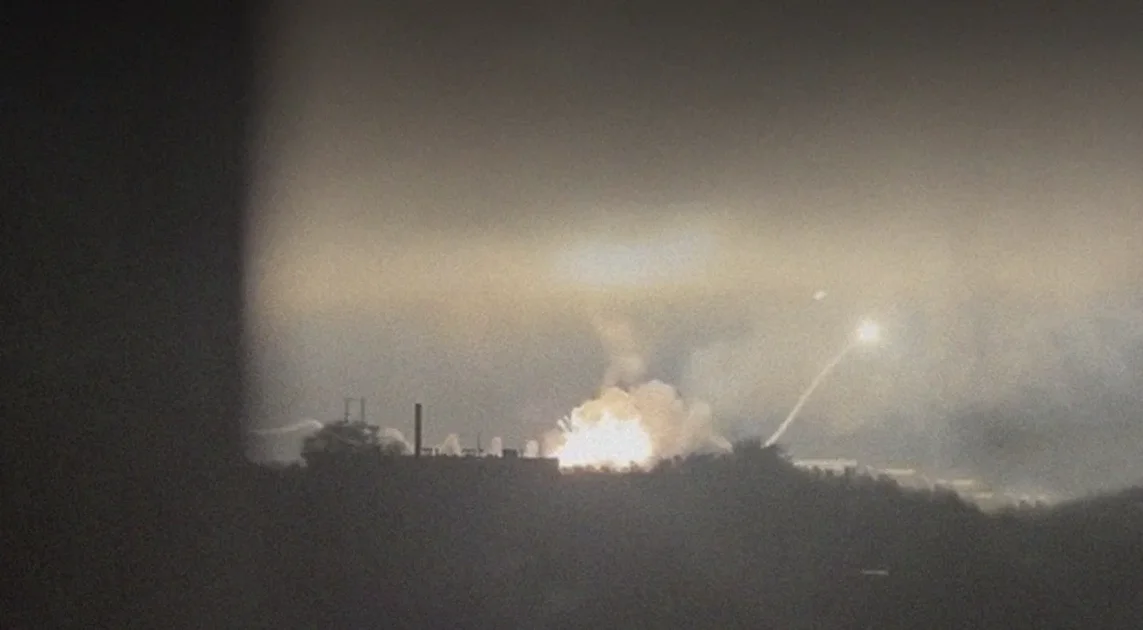
Ukrainian forces struck the Akhtubinsk military airfield in Russia's Astrakhan Oblast overnight on November 15, 2026, according to Ukraine's General Staff. The airfield, located about 650 kilometers (400 miles) east of Ukrainian-controlled territory and roughly 30 kilometers from the border with Kazakhstan, hosts Russia's 929th State Flight Test Center, a key facility for testing new military aircraft and weapons. Russia also uses the base to station Su-34 fighter-bombers that conduct glide-bomb attacks on Ukrainian cities and military positions.
The General Staff reported a powerful secondary explosion at an ammunition depot storing components for guided aerial missiles. The Telegram channel Exilenova Plus said at least 30 explosions were heard at the site following the initial strike. Ukrainian forces also hit a mobile PRV-13 radar altimeter, a system used to measure aircraft altitude and determine coordinates. Astrakhan Oblast Governor Igor Babushkin said 31 drones were destroyed in the northern part of the region overnight.
Drone Launch Site and Industrial Targets Also Hit
In a separate overnight operation, Ukrainian forces struck a drone storage, preparation, and launch site known as the Tsymbulova drone port near the settlement of Tsimbulova in Russia's Oryol Oblast. The General Staff said Russian forces use the site to launch attack drones against Ukrainian cities and civilian and energy infrastructure.
Ukrainian forces also targeted three Russian military-industrial facilities: the Nizhnekamskneftekhim petrochemical complex and the TAIF-NK refinery in Russia's Republic of Tatarstan, and the Monolit company in Trubchevsk, Bryansk Oblast. The General Staff said the strikes are part of a broader campaign to degrade Russia's military-industrial capacity. "Every day these plants are idle means fewer tires for the vehicles transporting ammunition to the front, fewer rubber parts for armored vehicles and aircraft, fewer raw materials for the missile industry, and less fuel for the Russian military," the General Staff stated.
Context
Strategic Significance of the Targets
The Akhtubinsk airfield is one of Russia's main facilities for testing new military aircraft and weapons, making it a high-value target. The Su-34 fighter-bombers stationed there are used extensively in Russia's war against Ukraine, employing glide bombs that have caused significant casualties and damage to Ukrainian cities and military positions. The strike on the ammunition depot storing components for guided aerial missiles could further degrade Russia's ability to conduct such attacks.
The Tsymbulova drone port is part of Russia's network of launch sites for attack drones, which have been used to strike Ukrainian energy infrastructure and civilian areas. Ukraine's President Volodymyr Zelensky said Russia had launched more than 2,300 attack drones, 1,590 glide bombs, and 15 missiles of various types against Ukraine over the past week alone. At least four civilians were killed and 69 injured in Russian attacks across Ukraine over the past day.
The strikes on the petrochemical and oil refining plants in Tatarstan, located more than 1,000 kilometers from Ukraine's border, demonstrate Ukraine's growing capability to reach deep into Russian territory. These facilities produce synthetic rubber, plastics, and petroleum products used in military vehicle tires, aircraft components, and fuel for the Russian military.
Recent Background
The overnight strikes are part of Ukraine's sustained campaign against Russian military-industrial facilities and infrastructure supporting Moscow's war effort. In recent months, Ukrainian forces have increasingly targeted Russian military airfields, oil refineries, and drone launch sites, aiming to disrupt logistics and reduce Russia's ability to sustain its aggression.
The attack on Akhtubinsk airfield comes amid continued Russian assaults on Ukrainian energy infrastructure. On November 15 alone, Russian forces attacked energy facilities in Zaporizhzhia, Sumy, Odesa, Zhytomyr, and Kirovohrad oblasts, according to Zelensky. The strikes triggered emergency power outages in the Zaporizhzhia and Dnipropetrovsk regions.
Perspective
Broader Implications and Trends
Ukraine's ability to strike targets deep inside Russia, including facilities in Astrakhan Oblast and Tatarstan, highlights its evolving long-range drone capabilities. These operations aim to impose costs on Russia's military-industrial complex and disrupt the supply chain supporting its war effort. The strikes on the Akhtubinsk airfield and the Tsymbulova drone port directly target assets used to attack Ukraine, potentially reducing the frequency and effectiveness of Russian aerial and drone assaults.
The targeting of petrochemical and oil refining plants in Tatarstan, over 1,000 kilometers from Ukraine, signals a strategic shift toward weakening Russia's economic and military sustainment capacity. While the immediate impact of such strikes may be limited, cumulative damage could strain Russia's ability to produce and transport military equipment and fuel.
However, these operations also risk escalation, as Russia may respond with intensified attacks on Ukrainian infrastructure. The coming weeks will reveal whether Ukraine's deep strikes can meaningfully degrade Russian military capabilities and whether Russia will adjust its air defense and logistical strategies in response.
As the war continues, Ukraine's focus on military-industrial targets and airfields suggests a concerted effort to shift the battlefield dynamics by disrupting Russia's ability to sustain its forces and launch attacks. The effectiveness of this strategy will depend on the extent of damage inflicted and Russia's capacity to adapt.
Comments