
Trump Pivots to Russia for Diesel, Waives Sanctions
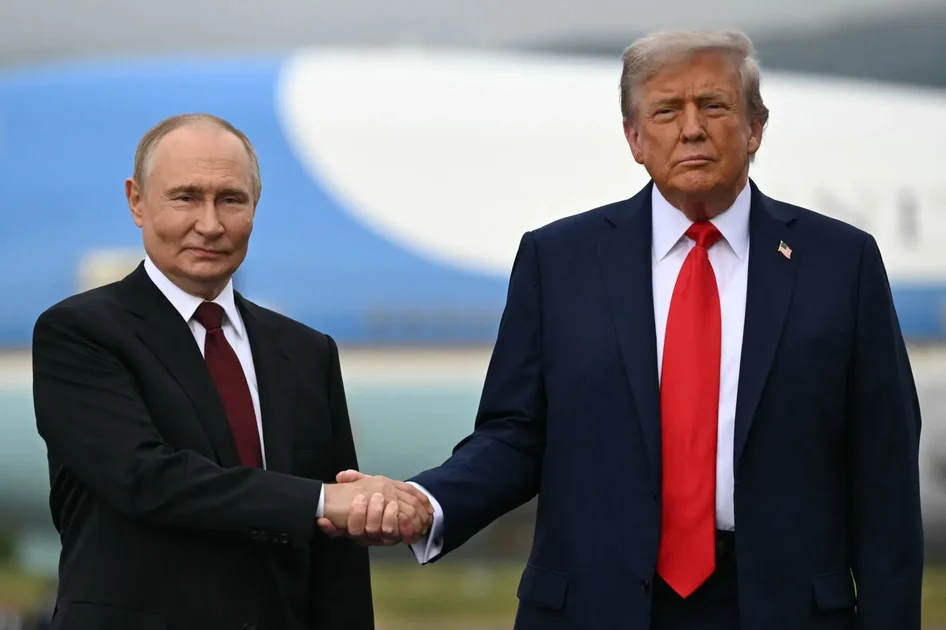
President Donald Trump announced on October 9 that he had struck a deal with Russian President Vladimir Putin to purchase diesel fuel, marking a sharp departure from years of Western policy aimed at economically isolating Moscow. The agreement, which Trump said would bring "lower prices for Americans," comes as U.S. diesel prices have surged to an average of $6.18 a gallon, up from $3.48 at the start of the year, according to the U.S. Energy Information Administration.
Under the deal, Russia will immediately supply more than 300,000 tons (2.25 million barrels) of diesel to U.S. and global markets, followed by an additional 500,000 tons in November and a million tons "immediately thereafter," Trump said in a social media post. Russia would also release three million tons of diesel "within a short period of time," depending on the state of its refineries. The Treasury Department issued a temporary license suspending U.S. sanctions on Russian diesel deliveries until April 2027.
On Friday, October 16, Trump doubled down by signing an executive order waiving sweeping new sanctions against Russia that Congress had passed with bipartisan support just last month. The legislation, named for the late Sen. Lindsey Graham, R-S.C., would have imposed up to 100 percent tariffs on goods from the five top importers of Russian crude oil or gas, including China and India, and penalties on countries helping Moscow circumvent sanctions. Trump argued the waiver "is in the national interests of the United States," while Secretary of State Marco Rubio said the administration wants 60 days to analyze the sanctions' impact on the U.S. and global economy given pressure on energy supplies.
A Lifeline for Moscow, a Blow to Kyiv
The decision to ease sanctions provides Russia a financial lifeline as its war against Ukraine continues into its fourth-and-a-half year. Ukrainian President Volodymyr Zelenskyy condemned the move, calling the diesel deal "a weak one" that plays into Russia's hands. "Gifts to Putin will not bring peace" but "further terror and perfidy," he wrote on social media. After the sanctions waiver, Zelenskyy said lifting sanctions was "wrong" and "only helps the Russians," describing the U.S. action as an "American sanctions blackout" that serves as "a financial reward for Putin."
European officials and a bipartisan group of U.S. lawmakers also criticized the agreement. Rep. Mike Lawler, R-N.Y., said on Fox News that he does not support Trump's decision, calling Putin "a vile dictator and thug." Rep. Don Beyer, D-Va., said the sanctions waiver amounts to a "surrender to Putin" that "betrays our Ukrainian partners and defies clear congressional intent."
Why the Deal Matters: Prices, Politics, and Alliances
The deal underscores how domestic fuel prices have become a driving force in Washington's Russia policy ahead of the November 3 midterm elections. Trump has expressed frustration with Ukraine's attacks on Russian oil and gas infrastructure, blaming them for rising fuel costs, while downplaying the impact of the Iran war on oil markets. "Lower prices for Americans, especially our Great Farmers, Ranchers, and Truckers, is my Greatest Priority," Trump said.
But experts doubt the diesel deal will significantly affect global oil markets in the near term. Instead, they warn it could bolster Russia economically and further strain transatlantic unity. "The diesel deal shows that Washington's Russia policy is now driven by high prices at the pump before the November 3 midterm elections, rather than by any shared transatlantic strategy," said Matthias Matthijs, senior fellow for Europe at the Council on Foreign Relations. "The irony is that the U.S., and especially President Trump, has lectured the Europeans for years about the dangers of buying Russian energy; now it is easing sanctions to buy Russian diesel itself, without consulting anyone in Europe."
The move also complicates Washington's relationships with European allies, who have already criticized Trump's embrace of Russian energy. Trump has accused Europe of "hypocrisy," pointing to figures showing EU countries continue to import Russian gas. The sanctions waiver suspends penalties that could have targeted those purchases, further muddying the West's unified stance against Moscow.
Broader Implications: A Shift in Strategy
The diesel deal and sanctions waiver signal a broader shift in U.S. Russia policy, prioritizing short-term economic relief over long-term strategic pressure. By easing sanctions, the Trump administration hopes to bring Moscow back to the negotiating table to end the war, according to the Council on Foreign Relations. Putin said the deal would have "a positive impact on the entire global economy."
However, critics argue that rewarding Russia with sanctions relief only encourages further aggression. The waiver, which holds until the administration believes "further action is appropriate," leaves Congress's bipartisan sanctions package in limbo. As fuel prices remain high and midterms approach, Trump's gamble may lower costs at the pump, but it risks fracturing the Western alliance and undermining Ukraine's position. For now, the world watches as the U.S. pivots from punisher to purchaser of Russian energy.
For more on the political fallout, see Trump's Russian Diesel Deal: A Lifeline for US Fuel Prices or a Boon for Putin?.
Comments