
Latest Tariff Developments: July 27, 2026 Update
A new wave of Section 301 forced labor tariffs has taken effect as of July 24, 2026, expanding the Trump administration's trade enforcement toolkit to include Algeria, Angola, Australia, and Argentina. The tariffs, set at ad valorem rates of 10% for Argentina and 12.5% for the other three nations, were published in the Federal Register on July 23, 2026, and are now being collected by U.S. Customs and Border Protection (CBP).
This latest round of targeted duties marks a significant escalation in the administration's use of trade leverage to address human rights concerns, though critics argue the measures risk alienating key diplomatic partners. The countries affected were identified under Section 301 of the Trade Act of 1974 following investigations by the U.S. Trade Representative into alleged forced labor practices in their supply chains.
Meanwhile, the legal battle over the administration's broader tariff authority continues. On May 7, 2026, the Court of International Trade declared Proclamation 11012 invalid, ruling that the Section 122 tariffs imposed earlier this year were contrary to law. However, the court did not issue a universal injunction blocking CBP from collecting those tariffs or compel refunds, leaving thousands of importers in legal limbo. The government has appealed the decision, and the case now heads to the Federal Circuit.
Why These Tariffs Matter: The Stakes for Global Trade
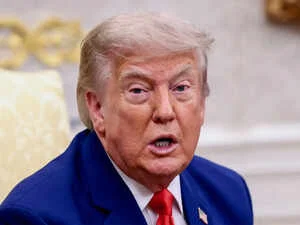
The new forced labor tariffs are not isolated measures. They form part of a broader mosaic of trade actions that President Trump has championed since returning to office. Trump has repeatedly called tariff "the most beautiful word in the dictionary," and his America First Trade Policy memorandum has directed agencies to review every tariff-adjacent lever available.
Forced Labor Tariffs Under Section 301
Under the latest actions, Algeria, Angola, Australia, and Argentina face tariffs ranging from 10% to 12.5% on all imported goods, subject to certain exemptions detailed in the Federal Register notices. These exemptions aim to minimize disruption for humanitarian goods and products with no forced labor links, but importers must navigate a complex certification process.
The Section 301 forced labor program has become a cornerstone of the administration's human rights trade policy. Unlike country-specific sanctions imposed via executive order, these tariffs are framed as remedial measures under trade law, attempting to pressure foreign governments to reform labor practices. However, the inclusion of Australia, a long-standing military and economic ally, has raised eyebrows in diplomatic circles and among trade analysts.
Litigation and Uncertainty
The ongoing litigation over Proclamation 11012 underscores the legal fragility of some of these measures. That proclamation had imposed tariffs under Section 122 of the Trade Act of 1974, a rarely used statute allowing temporary duties to address balance-of-payments deficits. When the Court of International Trade struck it down, it created confusion about the legality of tariffs already collected. The government's appeal means refunds remain unlikely in the short term, but importers are watching closely for any shift.
Parallel legal challenges are also pending in other tariff-related cases. As noted in related coverage, Nintendo is fighting a tariff refund suit while its patent battle over Palworld shifts venue, highlighting how trade litigation continues to intersect with corporate disputes. The outcome of these cases could reshape how companies approach tariff compliance and planning.
The Broader Tariff Landscape: Tracking Threats and Implemented Duties
Beyond forced labor tariffs, the Trump administration has threatened or implemented a dizzying array of other trade measures. Industry and legal teams, including Reed Smith's International Trade and National Security group, are tracking these developments in real time.
Country-Specific Tariffs in Focus
Digital Services Taxes (DSTs): The U.S. has renewed its Section 301 investigation into countries imposing digital services taxes, threatening unspecified additional tariffs on all products from nations that maintain such levies. This action, formalized in the Defending American Corporations and Innovators from Overseas Extortion Memo issued February 21, 2025, aims to protect U.S. tech giants from foreign tax regimes.
Russia-Related Sanctions: A threatened 500% tariff on imports from any country that knowingly transacts in Russian-origin oil, uranium, natural gas, petroleum products, or petrochemicals remains on the table, pending passage of the Sanctioning Russia Act of 2025. This measure, if enacted, would be one of the most aggressive economic penalties ever imposed by the U.S.
Iran Military Weapons Tariff: Another threatened 50% tariff targets all products from any country that supplies military weapons to Iran, announced April 8, 2026. This complements a broader strategy of economic isolation aimed at Tehran.
Tariff Stacking and Refund Processes
A notable feature of the current trade landscape is "tariff stacking" — the imposition of multiple tariffs on the same product from the same country. For example, goods from some nations subject to both Section 301 forced labor tariffs and Section 232 national security tariffs could face combined rates exceeding 30%. Importers must carefully calculate total landed costs.
The administration has also established an IEEPA refund process for tariffs imposed under the International Emergency Economic Powers Act, though this remains a narrow and administratively burdensome avenue. Companies seeking relief must prove that the tariffs were improperly applied or that their goods qualify for exemptions.
Broader Implications: What This Changes for Businesses and Diplomacy
The expansion of forced labor tariffs to include allies like Australia signals that the Trump administration is willing to impose costs even on friendly nations to enforce its trade and human rights agenda. This marks a departure from previous administrations, which often reserved Section 301 actions for strategic competitors or nations with poor human rights records.
For Importers and Supply Chains
Companies importing from the newly affected countries must now factor in additional costs of 10% to 12.5%. For industries with thin margins — such as textiles, agriculture, and basic manufacturing — these tariffs could force price increases, supplier shifts, or renegotiation of contracts. Importers are advised to review the exemptions in the Federal Register notices and consult trade counsel to minimize liability.
Simultaneously, the uncertainty surrounding pending litigation means businesses cannot assume current tariff rates are permanent. The possibility of retroactive refunds, while unlikely, adds another layer of complexity to long-term planning.
For International Relations
Diplomatic fallout is already visible. Australian officials have expressed frustration over the forced labor designation, arguing that their labor laws and enforcement mechanisms are among the world's strongest. The move could complicate negotiations over other issues, including defense cooperation and technology sharing.
On the domestic front, the tariffs have drawn criticism from some business groups and free-trade advocates, who argue they harm American consumers and manufacturers that rely on imported inputs. However, they remain popular with Trump's political base and certain domestic industries that benefit from reduced foreign competition.
For Trade Policy Governance
The legal invalidation of Proclamation 11012 raises questions about the constitutional and statutory limits of presidential tariff authority. If the appellate courts uphold the lower court's ruling, it could constrain the administration's ability to use Section 122 in the future, potentially shifting more trade actions to Section 301 or Section 232. This would force the administration to follow more rigorous procedural requirements for imposing tariffs, including public comment periods and economic impact analyses.
The case also highlights the growing role of the judiciary in trade policy. As courts become more willing to scrutinize executive trade actions, the pace and scope of tariff impositions may slow, or businesses may have more opportunities to challenge them.
Looking Ahead: What to Watch in the Coming Months
Several developments will shape the tariff landscape in the second half of 2026:
- Sanctioning Russia Act Vote: If Congress passes the bill and the President signs it, the threatened 500% tariff on countries trading in Russian energy could come into effect swiftly, reshaping global energy markets.
- DST Tariffs: The renewed Section 301 investigation into digital services taxes could result in tariffs on European and Asian tech exporters, potentially escalating trade tensions with key allies.
- Iran Weapons Tariff: The targeted 50% tariff on countries supplying military weapons to Iran could be implemented if diplomatic efforts fail.
- Litigation Outcome: The appeal of the Court of International Trade's decision on Proclamation 11012 will be closely watched; a ruling for the government could strengthen its tariff powers, while a ruling against could open the door to refunds and limit future actions.
Businesses and trade compliance professionals should monitor the Reed Smith tariff tracker and similar resources for updates, as well as Federal Register notices. The recent tariff actions show that the administration remains aggressive in using trade tools to achieve foreign policy and domestic economic goals, however contested those tools may be in court.
In related trade developments, the ongoing scrutiny of financial figures like former JP Morgan banker Jes Staley, who was grilled by Congress over his ties to Epstein, underscores the broader regulatory environment where trade, finance, and human rights increasingly converge. Similarly, domestic debates over economic policy — such as the backlash against social care funding plans that critics have labeled a 'death tax' — reflect the politically charged atmosphere in which trade decisions are made.
As tariffs continue to multiply and evolve, one thing is clear: for importers, exporters, and policymakers, the landscape of global trade in 2026 is more complex and contested than it has been in decades. The only certainty is uncertainty.
Comments