
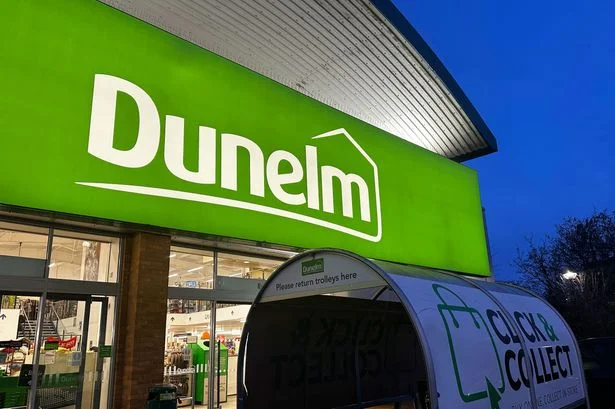
Dunelm Unveils £100m Cost-Cutting Drive and 100 New Store Target
Homeware retailer Dunelm has announced plans to strip approximately £100 million of “unproductive” costs from its business as part of a new three-year growth strategy. The move comes as the company grapples with sluggish consumer demand and seeks to revitalise its market position.
The cost-cutting programme, which aims to deliver savings by the 2029 financial year, has already resulted in the removal of around 8% of central roles – approximately 95 job losses across support functions and distribution. Dunelm said further “targeted cost removal” from restructuring over the next three years would contribute around £40 million of the annual savings.
In tandem with the cost reductions, Dunelm announced an ambitious expansion plan, targeting around 100 potential locations for new stores, with up to 10 new openings per year for the next three years. Each store is expected to create around 50 jobs, partially offsetting the central role reductions.
Why It Matters: A Retailer Adapting to a Challenging Environment
The strategy was unveiled as Dunelm reported a mixed financial performance for the year ending 27 June 2026. Total sales rose 3.1% to £1.83 billion, but pre-tax profit remained flat at £211 million – a stagnation that has concerned investors and analysts alike.
“The problem for Dunelm is that while sales are growing, stubborn profits refuse to budge,” said Duncan Ferris, an analyst at Freetrade.
The retailer cautioned that it has yet to see a “meaningful” recovery in consumer spending. Elevated interest rates, persistent inflation, and a changing UK political landscape continue to weigh on consumer confidence, leading shoppers to be more selective and increasingly hunt for value through promotions – particularly in non-essential categories like homeware.
In a further blow, Dunelm said that unusually hot weather since the start of its new financial year at the end of June has dampened trading, affecting shopping patterns. The record summer temperatures have driven shoppers away from the high street, complicating the early months of CEO Clo Moriarty’s tenure.
Moriarty, who joined Dunelm from Sainsbury’s in October 2025, acknowledged that the external environment remains challenging but stressed the company’s “compelling case” for transformation. During a presentation to investors, she outlined the need to “evolve” the business to capitalise on opportunities that are “larger than we previously understood.”
Inside the Three-Year Plan
Central to Dunelm’s strategy is a dual focus on simplification and growth. The company intends to improve and simplify its product ranges to make them easier for customers to navigate, while also renewing its existing chain of shops and opening new ones.
Moriarty emphasised the need to grow customer loyalty. Research presented by the company showed that only 15% of the UK population shops frequently at Dunelm, and even its most loyal customers direct 80% of their homeware spend elsewhere. The new strategy aims to close that gap by strengthening Dunelm’s reputation for affordability and deepening engagement with its customer base.
“We want to reach new customers and deepen our connection with existing ones, earning more loyalty and becoming the specialist they turn to for every mission in the home – whether they are refreshing a room, solving a practical problem, or creating a space they love,” Moriarty said.
The company will also increase its use of artificial intelligence and automation to streamline processes, and plans to roll out radio-frequency identification (RFID) chips embedded in products to improve stock accuracy and availability.
Dunelm will invest £125 million in new capital expenditure to support the store expansion programme, underscoring its confidence in the physical retail channel despite the broader shift to online shopping.
Investor Reaction and Broader Implications
The market responded negatively to the announcement, with Dunelm shares plummeting as much as 12% in early trading on Tuesday to 771p. The sharp decline reflects investor scepticism about the plan’s ability to deliver near-term growth in a tough environment.
Analysts noted that the plan involves significant execution risk, particularly given the challenging consumer backdrop. However, some saw merit in the long-term ambition.
“Dunelm has announced an ambitious three-year strategic growth plan which aims to capitalise on the group’s obvious underlying strengths,” said Richard Hunter, an analyst at Interactive Investor.
The announcement comes amid wider retail sector turbulence, with UK consumer confidence under pressure from cost-of-living concerns. Dunelm’s move to cut central costs while expanding its store footprint reflects a broader trend among retailers to streamline operations while investing in high-return physical locations.
As Dunelm navigates this transition, the industry will be watching closely to see if the new strategy can reinvigorate profit growth and win back shoppers’ loyalty. The company’s next financial results will provide an early indication of whether the plan is gaining traction.
The retailer’s experience mirrors challenges faced by other consumer-facing businesses. For instance, the need to adapt to changing weather patterns is not unique – as seen in recent events such as the heat-related incident involving musician Ray LaMontagne. While not directly comparable, both highlight the unpredictable impact of climate on consumer behaviour and business operations.
With the first wave of store openings and further cost savings on the horizon, Dunelm’s ability to balance short-term pressures with long-term investment will be key to restoring investor confidence and achieving sustainable growth.
Comments