
Trump Administration Concedes Arch's Harm to Historic Sites
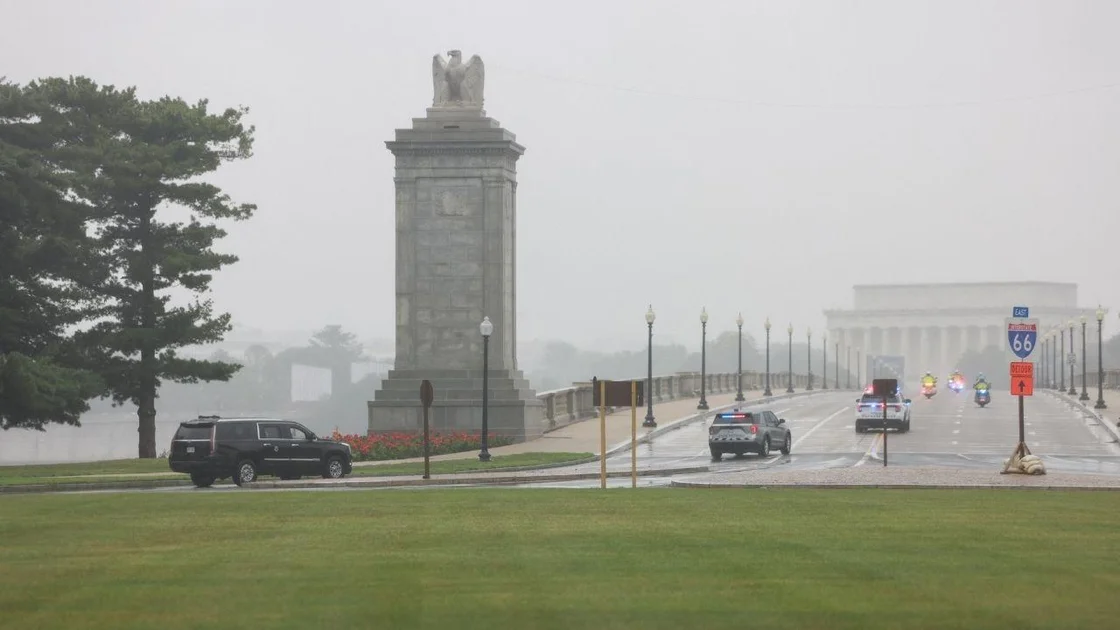
Federal officials have acknowledged that President Donald Trump's proposed 250-foot-tall triumphal arch near Arlington National Cemetery will cause unavoidable harm to historic sites, but they insist the project must move forward at its planned location. According to a National Park Service document and emails obtained by The Washington Post, the arch would adversely affect the cemetery, the Lincoln Memorial, and several dozen other historic properties.
The "adverse effects cannot be fully avoided," NPS officials wrote in a proposed agreement circulated Tuesday. However, they argued that the arch cannot be relocated because "the proposed location at Memorial Circle is central to the undertaking." The document is part of a federally required consultation process under the National Historic Preservation Act, and the administration is asking local historic preservation officers to sign off by Monday at noon.
Location and Design
The arch is planned for Memorial Circle, a traffic roundabout near Arlington National Cemetery, and would stand 250 feet tall to commemorate the nation's 250th anniversary. Preservationists, veterans groups, and others have called for the monument to be shrunk or built elsewhere, warning that it would overshadow the cemetery, disrupt the solemn corridor between the cemetery and the Lincoln Memorial, and create other visual and spatial disruptions.
Mitigation Efforts and Legal Challenges
To mitigate the harm, the National Park Service proposes new signs and webpages explaining the project, managing construction to reduce interference with burials, and documenting the current landscape before construction begins. The agency recognizes that Memorial Circle is "located within a highly sensitive historic and commemorative landscape" and that the project would adversely affect properties' "setting, design, feeling, association, spatial organization, circulation, and contributing views and vistas."
Preservationists Push Back
Preservationists have strongly criticized the administration's approach. Rebecca Miller, executive director of the DC Preservation League, wrote that the process "is not consistent with NPS practice, NPS regulations, or the intent of the National Historic Preservation Act," urging officials to continue consulting on alternatives. Charles Birnbaum, founder of the Cultural Landscape Foundation, said the administration is showing "overt hostility to public input and the regulatory process," and that the result will "permanently disfigure one of the nation's most revered and richly symbolic cultural landscapes."
The administration defends its process, noting that it has fielded over 100,000 public comments and accepted dozens of consulting organizations. A White House spokesman, Davis Ingle, called the arch a "once-in-a-generation" project. The administration hopes to submit the project to the National Capital Planning Commission for final approval as early as November.
Court Battle Looms
Three veterans and an architectural historian have sued to stop construction, and U.S. District Judge Tanya Chutkan last week ordered the government to give 48 hours' notice before breaking ground—a requirement the Trump administration is fighting. The lawsuit may tie up the project in court for some time, especially given that the administration's own admission validates the plaintiffs' concerns.
Broader Implications for Historic Preservation
The arch is part of a broader pattern of Trump's architectural ambitions in Washington, D.C. As detailed by The Guardian, the president has overseen the gilded renovation of the White House, plans for a bloated ballroom atop a nuclear-proof bunker, and other projects that critics describe as a "Mar-a-Lagofication" of the capital. These projects have been procured through a "blizzard of no-bid contracts" and are seen by some as a decoy for deeper damage to the city's historic fabric.
The proposed arch, in particular, raises fundamental questions about how the nation balances commemorative expression with the protection of historic landscapes. Memorial Circle sits at the heart of a symbolic corridor that includes Arlington National Cemetery and the Lincoln Memorial—sites of profound national significance. Building a massive monument there would alter views and vistas that have been carefully preserved for generations. The administration's own admission of harm, coupled with its refusal to consider alternative locations, sets a precedent that could weaken the National Historic Preservation Act's protections.
As the consultation deadline passes and legal challenges proceed, the fate of the arch remains uncertain. What is clear is that the project has ignited a fierce debate over the meaning of preservation, the limits of executive power, and the legacy of a president determined to leave his mark on the nation's capital.
This article was informed by reports from The Guardian, The Washington Post, The New Republic, and Raw Story.
Comments