
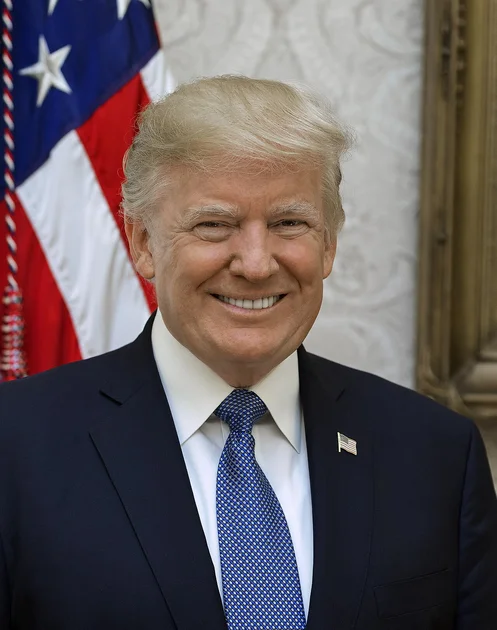
U.S.-Spain Relations During the Trump Era
The relationship between the United States and Spain underwent notable shifts during Donald Trump's time in office. As a NATO ally and one of Europe's largest economies, Spain found itself navigating a complex diplomatic landscape shaped by the Trump administration's foreign policy priorities, trade policies, and at times unpredictable international posture.
Diplomatic Exchanges and NATO Contributions
One of the recurring points of friction between the Trump administration and European allies, including Spain, was the issue of NATO defense spending. Trump repeatedly pressed member states to meet the alliance's benchmark of spending 2% of GDP on defense. Spain, which has historically spent well below that threshold, was among the countries singled out in broader criticism of European allies.
Despite these tensions, formal diplomatic channels between Washington and Madrid remained functional. Spanish government officials engaged with the Trump administration on issues ranging from counterterrorism cooperation to migration and trade. Spain's role as a key NATO partner in the Mediterranean and its military bases hosting U.S. assets continued to underpin the strategic relationship.
Trade Policy and Economic Impact on Spain
Trade policy represented one of the most tangible areas where Trump's decisions directly affected Spain. The Trump administration's approach to international trade — characterized by tariffs and a preference for bilateral agreements over multilateral frameworks — created uncertainty for Spanish exporters.
Steel, Aluminum, and Agricultural Tariffs
In 2018, the Trump administration imposed tariffs on steel and aluminum imports under Section 232, citing national security concerns. While these measures primarily targeted major exporters, the European Union's retaliatory measures and subsequent negotiations affected Spanish industries tied to transatlantic trade flows.
Later, in 2019, the United States announced tariffs on approximately $7.5 billion worth of European goods following a long-running dispute over aircraft subsidies involving Airbus — a case adjudicated by the World Trade Organization. Spanish products, including olive oil, wines, and certain agricultural goods, appeared on the list of targeted items. This directly threatened Spanish producers who depend significantly on the U.S. market, one of the most important export destinations for Spanish agricultural goods.
Spanish business associations and government officials expressed concern about the economic consequences, calling for negotiated solutions between the EU and the United States.
Digital Services Tax Dispute
Spain's planned digital services tax also became a point of contention during this period. The Trump administration opened investigations into digital services taxes proposed by several European countries, viewing them as discriminatory against American technology companies. Although the dispute primarily involved France, Spain's similar legislative efforts drew attention and contributed to broader transatlantic trade tensions during the Trump years.
Trump's Influence on Spanish Domestic Politics
Beyond bilateral relations, Trump's political rise had a noticeable effect on Spain's domestic political landscape. His brand of nationalist, populist politics became a reference point in Spanish political debates, particularly as far-right and right-wing political movements gained ground.
Vox Party and the Populist Parallel
The emergence of Vox, Spain's far-right party, drew frequent comparisons to Trump-style populism in international media. Observers noted similarities in messaging around immigration, national identity, and criticism of what both movements described as political elites. Vox leaders occasionally expressed admiration for Trump's political approach, and the party's rise coincided with the broader international wave of right-wing populism that Trump was seen as embodying.
It is important to note, however, that Vox developed from specific Spanish historical and social contexts, and direct comparisons have their limitations. Academics and political analysts caution against overly simplistic parallels between the two movements.
Reactions from Spanish Political Leaders
Spanish political leaders across the spectrum responded to Trump's presidency in varied ways. Progressive and left-leaning parties were openly critical of Trump's positions on climate change — particularly the U.S. withdrawal from the Paris Agreement — immigration policies, and multilateralism. Spain under Prime Minister Pedro Sánchez emphasized its commitment to multilateral institutions and European cooperation, positions that frequently stood in contrast to the Trump administration's approach.
Legacy and Ongoing Relevance
As Trump returned to the political forefront ahead of the 2024 U.S. presidential election and subsequently won a second term, Spanish policymakers and business leaders began reassessing the implications for transatlantic relations. Questions around NATO commitments, potential new tariffs, and U.S. engagement with the European Union resurfaced in Spanish political and economic discussions.
For Spain, the Trump factor remains a significant variable in foreign policy planning. The country's deep integration within the EU means that much of Spain's response to U.S. policies is coordinated at a European level. Nevertheless, the bilateral dimensions — defense cooperation, trade in goods and services, and diplomatic alignment on global issues — ensure that developments in Washington continue to resonate directly in Madrid.
Comments