
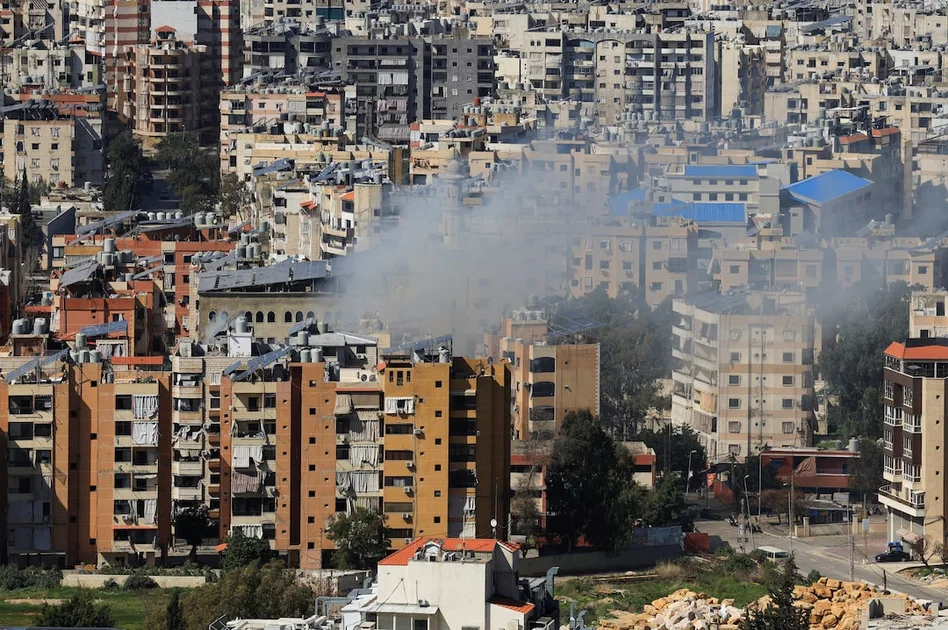
Israel Orders Strikes on Beirut Suburbs, Seizes Historic Castle in Escalating Lebanon Offensive
Israeli Prime Minister Benjamin Netanyahu has ordered a significant expansion of military operations in Lebanon, including strikes on the southern suburbs of Beirut and a deeper ground incursion north of the Litani River. The moves come despite a ceasefire announced in April that has failed to halt hostilities between Israel and the Iranian-backed Hezbollah militant group.
On Sunday, Israeli troops captured the 900-year-old Beaufort Castle and a strategic ridge in southern Lebanon, marking the first time Israeli forces have held the site since withdrawing in 2000. The operation was accompanied by what the military described as one of the heaviest days of Hezbollah fire toward northern Israel since the ceasefire, prompting school closures and movement restrictions.
"I instructed the military to expand its ground manoeuvre in Lebanon," Netanyahu said in a statement. In a joint statement Monday, Netanyahu and Defence Minister Israel Katz announced they had ordered attacks on the Dahieh district, a Hezbollah stronghold in Beirut, accusing the group of "repeated and ongoing violations of the ceasefire."
France has called for an emergency UN Security Council meeting, while thousands of civilians fled Beirut's southern suburbs amid warnings of imminent Israeli strikes.
Breaking the Ceasefire: The Collapse of the April Agreement
Fighting has continued almost daily since the mid-April ceasefire, with Hezbollah increasingly relying on cheap, easy-to-assemble kamikaze drones that have proven difficult for Israeli air defenses to intercept. Israel says 24 of its soldiers and four civilians have been killed since March 2, while the Lebanese government reports more than 3,370 deaths and over 1.2 million displaced people.
Israeli forces already controlled territory up to the Litani River, but troops are now pushing toward the Zaharani River, approximately 10 kilometers north. Netanyahu said the aim is to "deepen and expand our grip on the places that were under Hezbollah's control."
The military issued an evacuation warning for residents south of the Zaharani on Sunday. Overnight airstrikes hit the southern village of Deir El Zahrani, killing eight people, according to Lebanon's state news agency.
Regional and International Stakes
The conflict poses a major obstacle to US efforts to broker an end to the broader war with Iran, with Tehran insisting any ceasefire must include Lebanon. US Secretary of State Marco Rubio has proposed a "gradual de-escalation" plan reviewed by Netanyahu and Lebanese President Joseph Aoun, but a senior Lebanese official said the government is relying on US mediation to pressure Israel to end its own violations.
Israel's domestic political dynamics are also at play. Naftali Bennett, a challenger to Netanyahu in upcoming elections, has called for stronger action in Lebanon, including strikes on Beirut suburbs. The escalation could shift the campaign's focus ahead of the vote.
Broader Implications: A New Phase in the Iran Conflict
The expanded offensive marks the broadest spillover yet of the wider conflict between Israel and Iran, which has played out across multiple fronts since March. Hezbollah initially began firing rockets and drones into Israel to support its Iranian ally, triggering devastating Israeli retaliation that has devastated large areas of southern Lebanon.
The capture of Beaufort Castle carries symbolic weight. The hilltop fortress, built by Crusaders, was a Hezbollah stronghold during Israel's 18-year occupation of southern Lebanon that ended in 2000. Its recapture signals Israel's intent to maintain a long-term military presence in the region.
Humanitarian and Geopolitical Fallout
The offensive has already displaced more than 1.2 million Lebanese, according to government figures, and destroyed critical infrastructure in southern Lebanon. The escalation threatens to destabilize Lebanon further, with an already fragile economy and political system under strain.
Meanwhile, the US faces increasing difficulty brokering a separate ceasefire with Iran while Lebanon burns. Tehran has consistently linked the two conflicts, and the latest violence puts additional pressure on Washington to deliver results.
The UN Security Council emergency meeting requested by France reflects growing international alarm. European allies worry the violence could spiral into a broader regional war that draws in Iran directly.
What Changes?
Israel's push beyond the Litani River breaks the de facto rules of engagement established in April. If Israeli forces remain in the buffer zone north of the river, the 2006 UN-brokered truce framework may be functionally dead.
For Hezbollah, the loss of Beaufort Castle erodes its ability to launch attacks into northern Israel. But its continued use of drones shows the group retains asymmetric capabilities even under heavy pressure.
For civilians on both sides, the fighting shows no sign of abating. Netanyahu's instructions to expand the ground operation suggest Israel is preparing for a protracted campaign, while Hezbollah's leadership has vowed to keep fighting as long as Israel remains in Lebanon.
As the world watches the Beirut suburbs empty and Israeli troops operate near the Zaharani River, the April ceasefire looks increasingly like a brief pause in a conflict that has entered a new and dangerous phase.
Comments