
Trump Administration Suspends New York Medicaid Fraud Unit Funding Amid Mounting Scandals
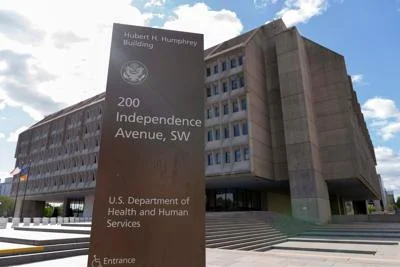
The Trump administration has suspended federal funding for New York's Medicaid fraud control unit, a move that comes as the state faces a series of high-profile fraud cases and legal battles over its Medicaid program. The decision, reported by the Associated Press on July 1, 2026, effectively halts federal support for the state's efforts to investigate and prosecute Medicaid fraud, casting doubt on the program's oversight capabilities.
The suspension follows a June 16 federal lawsuit filed by the Department of Justice, which accused New York State Health Commissioner Dr. James McDonald, Medicaid Director Amir Bassiri, and a Georgia-based contractor of improperly managing a $10 billion senior home-care program. The lawsuit alleges that the contractor was hired without proper authorization and is fraudulently retaining a portion of the payments. All defendants have denied the allegations.
Federal Action Escalates Tensions
The funding suspension marks a significant escalation in the ongoing friction between the Trump administration and New York's Medicaid program. According to AP sources, the administration's action is part of a broader push to crack down on what it views as systemic mismanagement and waste within state-run Medicaid systems. The suspended funds are critical for the state's Medicaid Fraud Control Unit (MFCU), which investigates and prosecutes fraud, patient abuse, and neglect in the program.
New York's MFCU, one of the largest in the country, relies heavily on federal matching funds to operate. Without this support, the unit may be forced to scale back investigations, delay prosecutions, or reallocate state resources to cover the gap. The suspension could also affect ongoing cases, including the recent indictment of a Long Island businessman accused of stealing millions from the program.
‘Children Were Left Without Supplements’: $2.5 Million Medicaid Fraud Case
On June 29, 2026, New York Attorney General Letitia James announced the arrest and indictment of Nduka Lewis Ekpenyong, 36, a Hewlett businessman who allegedly stole more than $2.5 million from Medicaid through a fraudulent scheme involving children's nutritional supplements. According to a Newsday report, Ekpenyong used the stolen funds to purchase a Bentley and a Range Rover, make improvements to his Hewlett mansion, and pay its mortgage.
Ekpenyong, who operated Duke Medical Inc. in Brooklyn, allegedly submitted more than 6,000 fraudulent claims to Medicaid between April 2023 and July 2025. The claims were for PediaSure with peptide supplements, but prosecutors say less than 10% of the purchases were actually made.
How the Scheme Worked
Prosecutors allege that Ekpenyong instructed office staff at pediatric practices to alter doctors' prescriptions for basic PediaSure Nutritional Supplement. Instead, he submitted requests that would allow him to bill Medicaid for PediaSure with peptides—a more expensive and medically unnecessary version reserved for children with specific diagnoses. The scheme left families struggling to feed their children, as the supplements they needed were never delivered.
“While Nduka Ekpenyong was buying luxury cars with money he allegedly stole from our state’s Medicaid program, families affected by his fraud were struggling to feed their children,” James said in a statement.
Ekpenyong and his company face charges of first-degree grand larceny, second-degree healthcare fraud, and first-degree scheme to defraud. If convicted, Ekpenyong faces up to 25 years in prison. He was arrested on June 18 and is due back in state Supreme Court in Brooklyn on September 16.
Broader Context: A System Under Siege
The Ekpenyong case is just the latest in a series of scandals that have rocked New York's Medicaid program, the largest in the United States by spending. The program serves approximately 7 million low-income and disabled residents, with an annual budget exceeding $100 billion. But a combination of complex billing rules, limited oversight, and high demand has created an environment ripe for fraud, waste, and abuse.
The $10 Billion Home-Care Program Lawsuit
The federal lawsuit against Health Commissioner McDonald and Medicaid Director Bassiri centers on a $10 billion senior home-care program. The Department of Justice alleges that a Georgia-based contractor was improperly hired and is fraudulently retaining part of the payments. The contractor was brought in to manage the program, which provides in-home care for elderly and disabled residents. The lawsuit claims that the hiring process bypassed standard procurement rules, and that the contractor has been overcharging the state.
Both McDonald and Bassiri have denied the allegations, and state officials have vowed to fight the lawsuit. The case is expected to be a major legal battle, with implications for how Medicaid programs across the country contract with private vendors.
What the Funding Suspension Means
The suspension of federal funding for New York's MFCU is unprecedented in recent years. The unit typically receives about $30 million annually from the federal government, which covers roughly 75% of its operating costs. Without this funding, the state would need to cover the entire cost or face a reduction in investigative capacity.
“This is a direct attack on New York’s ability to combat Medicaid fraud,” said a spokesperson for the New York State Office of the Medicaid Inspector General (OMIG), which oversees the MFCU. “We are reviewing our options, including legal action to restore funding.”
The Trump administration has not publicly explained the rationale for the suspension, but sources familiar with the matter say it is linked to the ongoing lawsuit and broader concerns about New York's Medicaid management. The administration has been critical of states that have expanded Medicaid under the Affordable Care Act and has pushed for more stringent work requirements and eligibility checks.
Perspective: The Future of Medicaid Oversight Under Scrutiny
The dual pressures of a federal funding suspension and high-profile fraud cases are creating a perfect storm for New York's Medicaid program. The state now faces the prospect of a weakened watchdog unit at a time when it needs stronger oversight, not less.
National Implications
The situation in New York could have ripple effects across the country. Medicaid is a joint federal-state program, and the federal government provides matching funds for both benefits and administrative costs, including fraud control. If the Trump administration succeeds in suspending funding for one state's MFCU, it could set a precedent for similar actions against other states that the administration deems mismanaged.
“This is a warning shot to every state,” said healthcare policy expert Dr. Karen L. Rosenberg, a professor at Columbia University's Mailman School of Public Health. “The federal government is signaling that it will use its financial leverage to force changes in state Medicaid programs. That could lead to a patchwork of oversight standards across the country.”
Impact on Healthcare Providers and Patients
For healthcare providers in New York, the uncertainty is already causing concern. Many small providers, especially those serving low-income communities, rely on Medicaid reimbursements to stay afloat. Increased scrutiny and potential delays in payment could force some to close, reducing access to care.
For patients, particularly children and the elderly who depend on Medicaid for life-sustaining services, the stakes are even higher. The Ekpenyong case showed how fraud can directly harm vulnerable populations. Without a robust fraud control unit, such schemes may go undetected for longer periods, causing more harm.
Political Fallout
The funding suspension has also become a political flashpoint. Governor Kathy Hochul's administration has criticized the Trump White House for what it calls “political retribution” against a state that has frequently clashed with the president on issues ranging from immigration to healthcare. The White House, in turn, has accused New York of “irresponsible management” of taxpayer dollars.
“We have a moral and legal obligation to ensure that Medicaid funds go to those who need them, not to fraudsters buying Bentleys,” a White House spokesperson said, referencing the Ekpenyong case.
What Comes Next
New York is expected to challenge the funding suspension in court, arguing that the federal government cannot unilaterally cut off funds without due process. Legal experts say the case could hinge on whether the suspension is based on specific findings of noncompliance or is a broader punitive measure.
In the meantime, the MFCU will likely have to prioritize cases, focusing on the most serious fraud allegations while deferring others. The Ekpenyong prosecution will proceed, but other investigations may be delayed.
The federal lawsuit against the home-care program contractor is also moving forward, with a hearing scheduled for later this month. That case could take years to resolve, but it has already cast a shadow over the state's Medicaid administration.
A Broader Reckoning
The confluence of events—the funding suspension, the $2.5 million fraud case, and the $10 billion lawsuit—points to a broader reckoning for Medicaid in New York and beyond. With federal and state tensions rising, the program's integrity is under intense scrutiny. How New York responds could set the tone for Medicaid oversight across the nation for years to come.
As Attorney General James put it, “We will not allow fraudsters to steal from New York’s most vulnerable citizens. We will use every tool at our disposal to hold them accountable.” Whether she has the federal resources to back that promise now remains in doubt.
In related news, the Trump administration has been slow to sign key legislation, as seen in the stalled bipartisan housing bill recently dismissed as ‘Big Yawn’ by the president. Meanwhile, as budget pressures mount, some state agencies may look at cost-saving measures in unrelated areas, much like consumers eyeing subscription changes after the latest PS Plus July 2026 lineup and price hike fears.
Comments