
Man Dies in West Wittering Beach Incident as Emergency Services Respond to Double Drowning
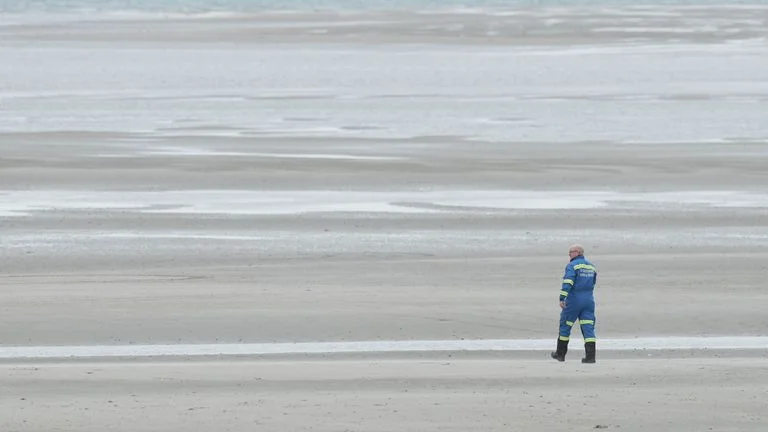
A tragic incident at West Wittering Beach on Sunday, July 26, 2026, has left one man dead and another receiving hospital treatment after both got into difficulty in the sea. Sussex Police confirmed that emergency services were called to the scene near the Beach Café on Pound Road at approximately 2:30 PM.
According to a police statement issued at 4 PM, officers responded to concerns regarding two men in the water. Both individuals were pulled from the sea and received immediate medical attention from emergency crews at the scene. Despite the best efforts of first responders, one man was pronounced dead at the scene. The second man was taken to a local hospital as a precautionary measure.
Police have stated that the two men are not believed to be known to each other. Next of kin have been informed, and the matter has been formally passed to the coroner's officer for further investigation. The incident prompted a large emergency response that included police, ambulance crews, and potentially coastguard and RNLI lifeboat personnel, though official confirmation of all responding units has not yet been released.
A Popular but Potentially Dangerous Coastline
West Wittering Beach is one of the most popular coastal destinations in West Sussex, renowned for its expansive sands, sand dunes, and views of Chichester Harbour. It attracts thousands of visitors each year, particularly during the summer months and warm weekends. However, like many natural beaches in the UK, it presents inherent risks, including strong currents, rip tides, and sudden changes in water depth.
While the exact circumstances leading to the two men getting into difficulty remain unclear, the incident serves as a stark reminder of the dangers posed by open water swimming, even at well-frequented beaches. The RNLI and local lifeguard services regularly issue safety warnings advising beachgoers to swim between the red and yellow flags, to be aware of rip currents, and to avoid swimming alone or after consuming alcohol.
The tragic event has shaken the local community, with many expressing condolences on social media and calling for increased safety measures. The beach remains open to the public, but visitors are urged to exercise extreme caution and heed any safety advice from beach patrols.
Context: West Wittering Safety and Recent Developments
This drowning incident occurs against a backdrop of ongoing scrutiny over coastal safety and development along West Wittering’s shoreline. Just days before the tragedy, on July 23, a planning inspector upheld Chichester District Council’s refusal to allow the demolition and rebuilding of a coastal home, Berry Barn, on East Strand, metres from the beach. The inspector ruled that the proposed new dwelling would be “bulky” and “unacceptably overbearing,” harming the open, spacious character that defines the area.
That ruling followed a separate refusal earlier in July for similar plans to demolish and rebuild a home on nearby West Strand, which was described as “excessive” and “visually jarring.” While these planning decisions focus on property development rather than public safety, they underscore the sensitive balance between preserving the natural landscape and accommodating the growing pressures of coastal living and tourism.
The combination of high visitor numbers and limited infrastructure has long been a challenge for West Wittering. The beach is a designated Site of Special Scientific Interest (SSSI) and part of the Chichester Harbour Area of Outstanding Natural Beauty. Environmental groups have raised concerns about erosion, habitat damage, and the strain placed on emergency services during peak seasons.
National Trends in Coastal Water Safety
Fatalities at UK beaches remain a persistent concern. According to data from the National Water Safety Forum, around 400 people die from accidental drowning in the UK each year, with coastal waters accounting for a significant proportion of those deaths. The summer months, particularly July and August, see the highest number of incidents as more people flock to the coast for recreation.
Efforts to improve water safety have included expanded lifeguard coverage, public awareness campaigns such as the RNLI’s “Respect the Water” initiative, and increased signage warning of specific hazards at individual beaches. However, budget constraints and the sheer volume of beachgoers often stretch resources thin.
In 2025, the government launched a review of coastal safety management, prompted by a series of high-profile drownings. Recommendations included better integration of local authority beach patrols with national emergency services, improved real-time hazard reporting systems, and mandatory safety education for schools. The tragic death at West Wittering may reignite calls for faster implementation of these measures.
Broader Implications: What This Changes for West Wittering and Coastal Safety
The loss of life at West Wittering Beach is more than a local tragedy; it highlights the urgent need for a coordinated approach to coastal safety in the UK. While the beach is patrolled by lifeguards during the core summer season, the incident occurred at a busy time of day when many visitors are present. Questions are already being raised about whether the current safety infrastructure is adequate for the volume of visitors the beach attracts.
Local authorities, including Chichester District Council and West Sussex County Council, may face pressure to review safety protocols, increase lifeguard presence, and invest in better signage and emergency communication systems. The coroner’s investigation will likely examine not only the immediate circumstances of the drowning but also the broader safety environment at the beach.
Furthermore, the incident could influence public perception of water safety, prompting more individuals to seek out swimming lessons, wear life jackets, or avoid risky behaviour. Surf schools and local swimming clubs may see a surge in interest as people become more aware of the dangers.
On a national level, the death underscores the ongoing need for water safety reform. As climate change leads to warmer summers and longer beach seasons, the strain on lifeguard services and emergency response teams will only intensify. Investment in prevention, rapid response, and public education remains critical.
In the meantime, the community mourns the loss of one life and hopes for the full recovery of the other man. The beach, once a place of leisure and escape, now bears the weight of a tragedy that will not be quickly forgotten. Emergency services continue to urge the public to stay safe, stay informed, and respect the sea’s unpredictable power.
Comments