
Tourist Killed, Nearly 1,700 Evacuated as Fire Engulfs Dominican Republic Resort
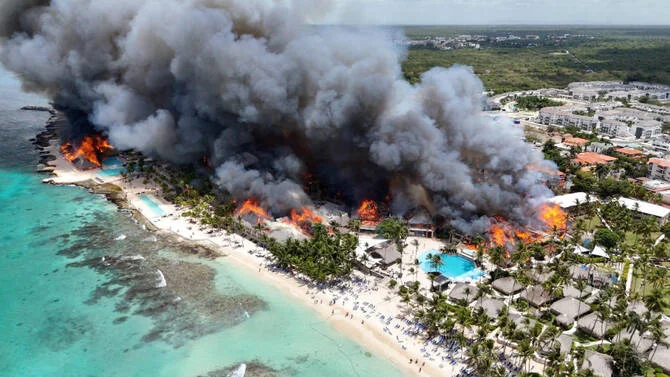
A devastating fire swept through the Viva Wyndham Dominicus Beach resort in Bayahibe, Dominican Republic, on Friday, June 19, 2026, killing a 46-year-old Italian tourist and forcing the evacuation of nearly 1,700 guests, according to local officials. The blaze, which broke out around 11 a.m. local time, sent thick plumes of smoke billowing over the Caribbean coastline as firefighters from multiple jurisdictions battled the fast-moving flames.
Authorities confirmed that the deceased victim was Francesca Valentino, an Italian woman. Nine others were injured in the incident, with three transported to area hospitals and six treated on site. The injured include guests, visitors, and emergency responders. The Emergency Operations Center (COE) stated that all resort guests were safely relocated to nearby hotels and housing facilities.
Eyewitness videos captured the intensity of the fire, showing thatched-roof structures engulfed in flames while some tourists swam in the ocean just feet from the blaze. The resort, a four-star property operated in partnership with Wyndham Hotels & Resorts, sustained extensive damage to its beachfront structures.
Cause Under Investigation
The COE reported that preliminary observations indicate the fire spread rapidly due to the highly flammable palm and cane materials used in parts of the resort's roof structures, compounded by windy conditions. The exact cause of the fire remains under investigation, and officials have not yet determined whether the incident was accidental or resulted from negligence.
A spokesperson for Viva Resorts by Wyndham said in a statement: "At this time, we are actively gathering the facts regarding the incident and coordinating with the appropriate authorities and on-site teams. As this process is ongoing, we will not be providing comment at this time."
Bayahibe: A Blow to a Premier Tourist Destination
Bayahibe, a once-quiet fishing village on the southeastern coast of the Dominican Republic, has grown into a bustling hub for international tourism. Situated between Punta Cana and Santo Domingo, the area is known for its white sand beaches, clear waters, and proximity to popular attractions like Saona Island.
The Viva Wyndham Dominicus Beach resort, which features nearly 700 rooms, underwent extensive renovations in recent years, modernizing common areas and food and beverage offerings. The property shares amenities with its sister resort, Viva Wyndham Dominicus Palace, which was not damaged by the fire and continues normal operations.
The Dominican Republic is the Caribbean's top tourist destination, having welcomed approximately 5.6 million visitors in the first five months of 2026 alone. The tourism sector is a vital pillar of the country's economy, accounting for a significant share of employment and foreign exchange earnings.
Emergency Response and Aftermath
Initial responders struggled to contain the blaze, with local social media posts suggesting the fire's magnitude exceeded available equipment. The COE confirmed that 15 firefighting units eventually brought the fire under control. The agency added that tourist activities in Bayahibe and the surrounding area remain unaffected and continue to operate safely.
Guests were evacuated to nearby hotels, including the undamaged Viva Wyndham Dominicus Palace. Authorities praised the coordinated response that prevented further loss of life, though the single fatality has cast a pall over what is typically a peak travel season.
Broader Implications: Fire Safety and Tourism in the Caribbean
This incident highlights critical questions about fire safety standards at resorts across the Caribbean, particularly those incorporating traditional, combustible materials like thatch and cane in their construction. While these materials offer aesthetic appeal and cultural authenticity, they can pose significant fire risks when proper precautions are not in place.
The tragedy also raises concerns about emergency preparedness and the adequacy of local firefighting capabilities in popular but geographically dispersed tourist destinations. Bayahibe's rapid development as a resort hub may have outpaced the modernization of its emergency infrastructure, as initial reports indicated that the blaze was beyond the capacity of local responders.
Industry Scrutiny Ahead
As investigations continue, the incident is likely to prompt increased scrutiny of fire safety regulations across the Dominican Republic's hospitality sector. The country has faced previous tourism-related crises, and this fire may lead to calls for stricter building codes, mandatory fire suppression systems, and enhanced emergency training for resort staff.
For Wyndham Hotels & Resorts, which franchises thousands of properties worldwide, the incident represents a reputational challenge. The company has not yet detailed any safety audits or remedial measures it may implement in response.
Economic and Diplomatic Repercussions
The death of an Italian tourist adds a diplomatic dimension to the tragedy. Italy's foreign ministry is expected to engage with Dominican authorities regarding the investigation and repatriation of the victim. Such incidents can strain bilateral relations, especially when they involve tourists from major source markets.
Economically, the fire occurs at a time when the Dominican Republic is enjoying robust tourism growth. While officials have been quick to emphasize that the broader Bayahibe area remains safe, negative headlines could temporarily dampen traveler sentiment. However, the country's tourism track record suggests resilience, with most visitors likely to view this as an isolated incident rather than a systemic issue.
Parallels and Lessons
The Dominican Republic has navigated tourism crises before, including safety concerns, disease outbreaks, and extreme weather events. Each time, the industry has rebounded through targeted marketing and operational improvements. The response to this fire will be closely watched by industry analysts and competitors alike.
For travelers, the fire serves as a reminder to familiarize themselves with hotel safety features, including evacuation routes and fire suppression systems. While such incidents are rare, they underscore the importance of basic safety awareness even in paradise settings.
What This Changes for Travelers and the Industry
In the near term, this incident is unlikely to deter the vast majority of tourists from visiting the Dominican Republic. The country's appeal remains strong, and the quick evacuation of nearly 1,700 guests without further casualties reflects a relatively effective emergency response.
However, the tourism industry may see incremental changes. Hotels across the Caribbean could accelerate the adoption of fire-resistant materials and improve fire detection systems. Insurance premiums for properties using traditional thatch roofing might rise, potentially pushing some operators toward safer alternatives.
For Wyndham specifically, the company faces a period of intense media scrutiny and must balance legal liability with demonstrating genuine concern for victims and guests. The brand's reputation in the region will depend on how transparently it cooperates with investigations and how quickly it implements any necessary safety upgrades.
A Cautionary Tale
The Viva Wyndham Dominicus Beach fire is a sobering reminder that even the most idyllic settings are not immune to tragedy. As the Dominican Republic continues to welcome millions of visitors annually, the challenge will be to maintain the authentic charm that draws tourists while ensuring their safety.
For now, authorities remain focused on determining the fire's cause and supporting the victims and their families. The incident has already sparked discussions about safety standards that could reshape hospitality practices across the Caribbean.
In a region where tourism is both an economic lifeline and a source of national pride, this tragedy may serve as a catalyst for meaningful reform. The goal will be to honor the memory of the victim by ensuring that such a disaster does not happen again.
Read more about how Summerfest 2026 Opens with Juneteenth Celebrations and Local Vendor Boost for insights into how large-scale events manage safety and crowd control. Also, see how the Bezos Earth Fund Bets $26M on FireSat Satellites to Fight Wildfires From Space reflects broader advancements in fire detection technology.
Comments