
What Did Netflix Leave Out of 'The Crash'?
Netflix’s latest true-crime documentary, The Crash, has reignited public fascination with the Mackenzie Shirilla case — a 2022 tragedy that left two teenage boys dead and a young woman serving a life sentence. But as viewers binge the film, sharp-eyed observers and competing docuseries are pointing to a series of chilling details that the streaming giant either glossed over or omitted entirely.
Among the most explosive revelations: Shirilla allegedly conducted a “dry run” of the fatal road days before the crash, asked her mother if they could tell police she’d had a seizure, and engaged in secret prison conversations using pig Latin to evade detection. These facts, absent from the Netflix narrative, paint a far more calculated picture of the events surrounding the 100-mph collision.
The Dry Run That Was Briefly Mentioned
In a segment that The Crash touched on only fleetingly, additional documentaries have revealed that Shirilla drove the exact route leading up to the crash site days before the incident. The Hulu series Mean Girl Murders dedicates significantly more time to this rehearsal, presenting it as evidence of premeditation. Legal experts argue that a dry run, combined with the vehicle’s lack of braking at the moment of impact, strongly undermines Shirilla’s claim that the crash was accidental.
The Seizure Strategy
Perhaps the most damning detail involves a recorded conversation between Shirilla and her mother, Natalie, inside the hospital. According to audio obtained by the true-crime show Killer Cases, Shirilla can be overheard saying: “Can we tell the police I had a seizure? Can we tell the police something like that?” The exchange was not included in the Netflix documentary, leaving out a moment that prosecutors used to argue consciousness of guilt.
Why These Omissions Matter
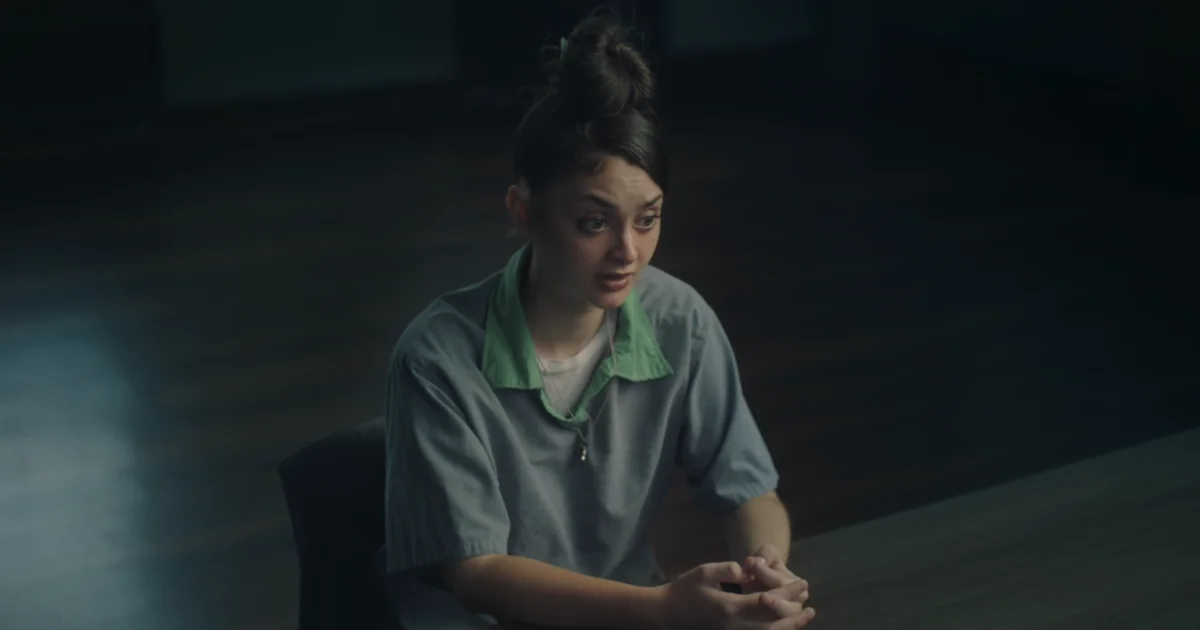
The missing context reshapes the public’s understanding of a case already steeped in controversy. Mackenzie Shirilla, now 21, was convicted of two counts of murder in August 2023 and sentenced to a minimum of 15 years, with a strong possibility of life behind bars. The Netflix film featured her first-ever interview, offering a sympathetic platform that some critics say lacked journalistic rigor.
Pig Latin Prisons Calls
In yet another detail left on the cutting-room floor, Shirilla and her mother have been recorded speaking in pig Latin during prison phone calls. Authorities believe they adopted this coded language specifically to prevent corrections officers and audio monitoring systems from understanding their conversations. The tactic echoes similar efforts by other high-profile inmates to communicate covertly, but its omission from The Crash denies viewers a full picture of Shirilla’s behavior post-arrest.
She Kept a ‘Hit List’
Perhaps the most unsettling fact omitted from the Netflix narrative: Shirilla reportedly kept a list of people she did not like, along with notes on what she wanted to do to them. While the documentary hints at her turbulent relationships, it does not disclose the existence of this written catalogue of grievances. Legal commentators have pointed out that such a list, presented in court, would serve as potent evidence of malice aforethought.
Broader Implications for True Crime Documentaries
The missing details in The Crash raise important questions about the ethics and editorial choices of streaming platforms. Netflix has faced criticism before for shaping narratives in ways that favor dramatic tension over factual completeness. In this case, the omissions appear to align with a broader trend: true crime docuseries often present a more linear, sympathetic portrayal of convicts when they agree to exclusive interviews.
The Shift Toward ‘Criminal Celebrity’
Shirilla joins a growing list of convicted criminals who have leveraged streaming documentaries to reshape their public image. From Ted Bundy to more recent figures, the line between journalism and entertainment continues to blur. The Crash, by centering Shirilla’s voice while downplaying the most incriminating evidence, risks contributing to the phenomenon of “criminal celebrity.”
This matters because audiences increasingly consume complex legal cases through the lens of one production. When a platform like Netflix decides what to include — and what to exclude — it effectively edits the historical record for millions of viewers. The omitted evidence in Shirilla’s case, such as the dry run and the secret language, is not trivial; it’s central to the prosecution’s case for first-degree murder.
For comparison, the intense media scrutiny around other Netflix true-crime projects, such as the recent Claressa Shields slaps Alycia Baumgardner during heated confrontation at Netflix event, shows that the platform remains a lightning rod for debate about how violent stories are packaged.
The Role of Competing Platforms
Hulu’s Mean Girl Murders and A&E’s Killer Cases have stepped into the gap, offering audiences a more unvarnished look at the evidence. This fragmentation of the true crime market may ultimately benefit the public: when outlets compete, they are more likely to dig deeper and correct each other’s oversights. But it also places the burden on viewers to cross-reference multiple sources — a task few have the time or inclination to perform.
The case of Mackenzie Shirilla will continue to evolve, especially as appeal motions are filed and parole hearings loom decades from now. But for the moment, the conversation has shifted from “Did she mean to?” to “What else did Netflix leave out?” And that question, once asked, is impossible to ignore.
Comments