
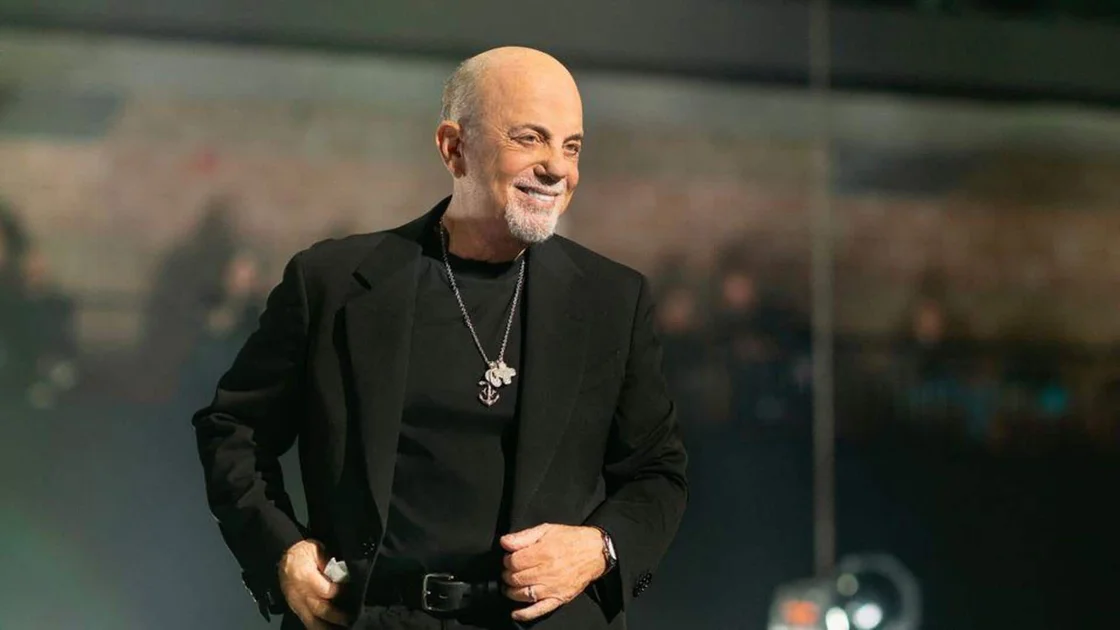
Billy Joel’s Camp Blasts Unauthorized Biopic ‘Billy and Me’ as ‘Misguided’
Rock legend Billy Joel has publicly condemned the upcoming biopic Billy and Me, calling the project “both legally and professionally misguided” in a sharply worded statement issued by his representative. The film, directed by John Ottman (Oscar-winning editor of Bohemian Rhapsody), aims to chronicle Joel’s formative years before fame, but the Piano Man himself has made it clear that he has not authorized—and will not support—the production.
According to multiple reports, the project has secured the exclusive life rights of Joel’s first manager, Irwin Mazur, and longtime friend and drummer Jon Small. However, the filmmakers do not possess Joel’s life rights or the rights to his iconic music catalog, a fact that Joel’s team says has been communicated to them since 2021. “Billy Joel has not authorized or supported this project in any capacity, and any attempt to move forward without it would be both legally and professionally misguided,” a spokesperson for Joel told Variety, Rolling Stone, and The Hollywood Reporter.
The controversy erupted just one day after the project was first reported, drawing immediate attention from the music and film industries. Ottman, who also edited the Michael Jackson biopic Michael and the Queen biopic Bohemian Rhapsody, is set to direct the feature, with Adam Ripp writing the screenplay. Casting is reportedly underway, with production slated for this fall in Winnipeg, Canada, and New York.
The Film’s Unconventional Perspective
Billy and Me is not a traditional cradle-to-grave biopic. Instead, the story is told through the eyes of Mazur, who discovered Joel in 1966, signed him in 1970, and guided his career until his breakthrough deal with Columbia Records in 1972. The film focuses on Joel’s pre-fame years—performing cover songs with the Hassles and struggling to find his artistic identity—before the release of his iconic 1973 song and album Piano Man.
In a statement to Rolling Stone, Ottman defended the project, saying, “The film is told from the perspective of Irwin Mazur, and we hold the exclusive life rights to Irwin Mazur. … To characterize the project as ‘legally and professionally misguided’ does not accurately reflect the actual nature of the film or the rights underlying the production.” Ottman emphasized that the film neither depicts nor seeks to use any of Joel’s original music, as it takes place during his early years performing cover songs.
Jon Small, Joel’s former drummer in the Hassles and the short-lived acid-rock duo Attila, is on board as a consultant, co-executive producer, and second unit director. Small praised the project, calling it “the most honest, heartfelt, and authentic portrayal of Billy’s early life and rise to becoming one of the greatest musical voices of our time.” He added that the film is “grounded in truth, shaped with care, and built with the insight of people who genuinely know and love Billy.”
The Legal and Personal Stakes
The battle over Billy and Me highlights a growing tension in Hollywood between unauthorized biopics and the subjects they portray. While filmmakers are generally free to tell stories based on factual events and the life rights of consenting participants, they cannot use a subject’s copyrighted music or defame them without consequence. Joel’s camp has been clear: the film lacks the essential rights to Joel’s life story and his music, making its continuation a risky legal gamble.
“Since 2021, the parties involved have been officially notified that they do not possess Billy Joel’s life rights and will not be able to secure the music rights required for this project,” Joel’s representative reiterated. The statement underscores the years-long development timeline, suggesting that the filmmakers may have initially hoped to secure Joel’s blessing but failed to do so.
The production has secured Mazur’s exclusive life rights, as well as those of Small, which legally allows them to tell the story from their perspectives. However, Joel’s lack of involvement raises questions about how sensitive personal events—such as his tumultuous first marriage to Elizabeth Weber, his suicide attempts, and the breakup of Attila—will be portrayed. Weber, who was married to Small before leaving him for Joel, is the subject of several of Joel’s most famous songs, including “She’s Always a Woman” and “Just the Way You Are.” Her portrayal in the film remains unclear, though she is a central figure in Joel’s early life.
The film follows the 2025 HBO documentary And So It Goes, which Joel authorized and which covered much of the same ground, including his depression and suicide attempts. The documentary was praised for its candidness, but Billy and Me promises a different angle—one that Joel cannot control.
The Filmmakers’ Defense
Adam Ripp, the screenwriter, offered further clarity in a statement to The Hollywood Reporter. “Billy and Me is specifically not a traditional cradle-to-grave Billy Joel biopic, nor is it dependent on Billy Joel’s original music catalog,” he wrote. “The film takes place during Billy’s formative years—before the fame, before the fortune, and before the iconic songs that made him ‘The Piano Man.’ Much of the period depicted centers around Billy’s early years performing cover songs with The Hassles and struggling to find his artistic identity as a young musician.”
Ripp also noted that the filmmakers never claimed to have Joel’s life rights or music rights. “At no point have we ever claimed …” he began, though the statement was cut short in available reports. This suggests that the filmmakers are relying on the legal principle that a person’s life story can be told without their consent, as long as it is based on factual information and the rights of those who have agreed to participate.
That legal avenue, however, is fraught with risks. Unauthorized biopics often face lawsuits, negative publicity, and boycotts from the subjects’ fan bases. Joel’s strong condemnation could deter distributors, talent, and investors, though Ottman’s track record—including an Oscar win for Bohemian Rhapsody—may lend the project credibility.
Broader Implications for Unauthorized Biopics
The controversy over Billy and Me is part of a larger trend in Hollywood: the rise of unauthorized biographical films that tell stories without the cooperation of their subjects. Recent examples include The Social Network (which faced legal challenges but ultimately succeeded), Loving (about Richard and Mildred Loving, which had family cooperation but not full life rights), and the ongoing disputes over projects about figures like Donald Trump and Prince.
These films often rely on the life rights of peripheral figures—friends, managers, ex-spouses—to build a narrative. This approach can produce compelling, multifaceted stories, but it also raises ethical and legal questions. For subjects like Joel, who are alive and outspoken, the lack of authorization can turn a potential tribute into a battleground.
“This is a classic case of creative tension,” says Los Angeles entertainment attorney Mark Litwak, who has worked on biopic rights cases. “If you have the rights to a key figure’s story, you can tell that story from their perspective. But the subject’s own music, image, and life rights remain off-limits. That can severely limit the film’s commercial viability and emotional impact.”
For Joel, the stakes are personal. He has been open about his struggles with mental health and his desire to control his legacy. The 2025 HBO documentary And So It Goes was a authorized project that allowed him to shape his narrative. Billy and Me, by contrast, represents a loss of that control—a narrative told by people who were close to him but who may have their own agendas.
A Precedent for Musician Biopics
The music biopic genre has exploded in popularity, with hits like Bohemian Rhapsody (2018), Rocketman (2019), and Elvis (2022) grossing billions of dollars and winning awards. These films, however, were all authorized and had full access to the subjects’ music catalogs. Unauthorized projects often struggle to secure music rights, which can make them feel hollow or incomplete.
Ottman’s involvement in Bohemian Rhapsody—which faced its own controversies, including the firing of director Bryan Singer—gives Billy and Me a pedigree that few unauthorized biopics can claim. But his statement that the film “doesn’t use any of Billy Joel’s original music” because it focuses on his pre-fame years is a creative workaround that may limit the film’s appeal. Audiences expect to hear the hits in a music biopic, and without “Piano Man,” “Uptown Girl,” or “We Didn’t Start the Fire,” the film may struggle to connect emotionally.
Small, however, argues that the film’s strength lies in its authenticity. “Too often, stories about artists get lost in exaggeration or myth,” he said. “Billy and Me is grounded in truth, shaped with care, and built with the insight of people who genuinely know and love Billy.”
What This Means for the Future of the Project
As of May 20, 2026, the production of Billy and Me is moving forward despite Joel’s condemnation. Casting is underway, and filming is scheduled for fall 2026. However, the legal and public relations challenges are significant.
Joel’s camp has not indicated whether they will pursue legal action, but the statement’s reference to “legal and professional” misguidedness suggests that litigation may be on the table. If the film attempts to use any of Joel’s music without permission, or if it defames him, the legal costs could be substantial. For now, both sides appear dug in.
The biopic also arrives at a time when Joel’s legacy is being reexamined. The recent HBO documentary, his ongoing Madison Square Garden residency, and his status as one of the best-selling musicians of all time have kept him in the public eye. A contentious biopic could either tarnish that legacy or, paradoxically, remind audiences of his enduring appeal.
For fans, the dispute raises a difficult question: Can a film about an artist’s life be true without the artist’s participation? The answer may depend on one’s perspective. The filmmakers argue that Mazur and Small’s firsthand experiences provide an authentic window into Joel’s early years. Joel’s camp counters that without his blessing, the story is incomplete and potentially exploitative.
In the music industry, unauthorized projects are rare but not unheard of. The 2015 film Straight Outta Compton faced criticism from some members of N.W.A. but ultimately succeeded. The 2022 film Elvis had the cooperation of the Presley estate, but earlier unauthorized projects about the King were largely forgotten.
Billy and Me will need to navigate these treacherous waters carefully. If it succeeds, it could pave the way for more unauthorized music biopics. If it fails, it will serve as a cautionary tale for filmmakers who attempt to tell a story without the star’s approval.
A Broader Cultural Shift
The dispute also reflects a broader cultural shift in how celebrities control their narratives. With social media, documentaries, and direct-to-fan platforms, artists like Joel have more tools than ever to shape their public image. Unauthorized biopics represent a challenge to that control, and Joel’s forceful response signals that he will not cede ground easily.
As the industry watches, one thing is certain: the battle over Billy and Me is only beginning. For now, the Piano Man has made his position clear, and the filmmakers are pressing on. Whether the film ever reaches theaters—or whether it ends up in a legal quagmire—remains to be seen.
In a similar vein, the entertainment world has seen other high-profile disputes over control and narrative. For instance, Tom Selleck Returns to TV with New History Channel Crime Series highlights how even beloved figures can navigate new creative ventures. Meanwhile, legal battles over diversity and hiring practices, as seen in Florida Attorney General Subpoenas NFL Over Rooney Rule Diversity Hiring, show that disputes over rights and representation are hardly confined to the music industry.
Ultimately, Billy and Me may force Hollywood to rethink how it approaches unauthorized biopics. If Joel’s condemnation leads to a boycott or legal setback, it could discourage similar projects. But if the film succeeds, it might open the door for more stories told from the margins—by managers, friends, and ex-spouses who have their own versions of history.
Comments