
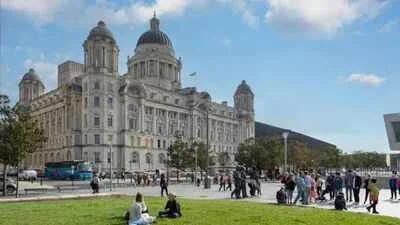
Sunny Skies Return to Liverpool After Heat Alert Lifts
Liverpool is basking in a stretch of pleasant, sunny weather as the week begins, offering residents a comfortable reprieve following the recent heat health alert. On Monday, July 21, the city is forecast to reach a high of 26°C under clear skies, with humidity around 78% and a very low chance of rain, according to local forecasts. This mild pattern is expected to hold through the week, with daytime highs hovering between 23°C and 26°C and overnight lows dipping to around 13-16°C.
The UK Health Security Agency (UKHSA) yellow heat health alert that covered Liverpool and the North West was lifted on Friday, July 17, at 9 p.m. No new weather warnings are currently in place. The Met Office describes today's conditions as dry with sunny spells and patchy cloud lifting through the afternoon, making it ideal for outdoor activities in parks or along the waterfront.
What to expect this week
- Monday (July 21): High 26°C, low 13°C, sunny.
- Tuesday (July 22): High 25°C, low 14°C, sunny.
- Wednesday (July 23): High 26°C, low 13°C, sunny intervals.
- Thursday (July 24): High 25°C, low 14°C, full sunshine.
- Friday (July 25): High 23°C, low 16°C, sunny.
- Saturday (July 26): High 23°C, low 15°C, sunny intervals.
Despite the calm start, meteorologists are closely watching long-range models that point to a dramatic temperature surge later in the month.
The Looming Heatwave: Forecasts Point to 38°C by End of July
While Liverpool enjoys a mild interlude, weather maps from the Global Forecast System (GFS) indicate that the UK could face its most intense heatwave yet before July ends. According to GFS model runs, temperatures are set to climb sharply from July 27, potentially peaking at 38°C on July 29 across large parts of western, central, and eastern England.
For Merseyside, the GFS map shows maximum possible temperatures reaching around 32°C on July 29. The predicted hot spell would break the current 2026 record of 37.7°C, with as many as 15 counties—from Lincolnshire to Berkshire—projected to hit 38°C. The Mirror reported that temperature anomaly maps for July 29 show England and Wales shaded in dark red, indicating readings “well above the seasonal average.”
The Met Office has urged caution, stating it is “too soon to say whether heatwave conditions will last beyond the next 10 days.” However, its forecast for July 22 to July 31 notes that “above average” conditions are possible, and the North West is expected to see dry, settled weather with temperatures around or just above average for the remainder of the week.
Recent heat context
Liverpool experienced an earlier heatwave this month that saw temperatures climb into the low 30s, triggering the now-lifted UKHSA alert. The brief cooldown to the low 20s has been welcomed by residents, but the incoming heatwave threat raises concerns about public health, infrastructure strain, and fire risk. For broader perspective on the UK’s heatwave pattern this summer, see UK Braces for Fourth Heatwave as Models Show 41C Could Break All-Time Record.
Broader Implications: A Summer of Extremes and Public Health Risks
The pattern of brief respites followed by intense heatwaves is becoming a hallmark of UK summers. This year alone, the country has already endured three distinct heatwaves, and a fourth could break all-time records. For Liverpool, a city unaccustomed to prolonged 30°C+ temperatures, the prospect of 32°C on Merseyside poses challenges for the NHS, local councils, and vulnerable populations.
The UKHSA’s yellow heat health alert system is designed to trigger preparations by health and social care providers, but the speed of temperature swings leaves little time for adaptation. Elderly residents, those with pre-existing conditions, and outdoor workers are most at risk. The combination of high humidity—forecast around 78% this week—and rising temperatures can make even moderate heat feel oppressive.
Climate scientists note that such weather events are consistent with broader warming trends. The UK Met Office has previously stated that heatwaves are becoming more frequent, more intense, and lasting longer due to climate change. For Liverpool, this means that while this week’s sunny skies are welcome, they may soon give way to a pattern of extreme highs that test the city’s resilience.
Residents are advised to stay hydrated, check on vulnerable neighbors, and avoid peak sun hours when the heatwave arrives. As the GFS models lock in, Liverpool’s brief cooldown may turn out to be the calm before a scorching storm.
Comments