
Vance Calls Out Cruz as 'Really Obvious' 2028 Candidate
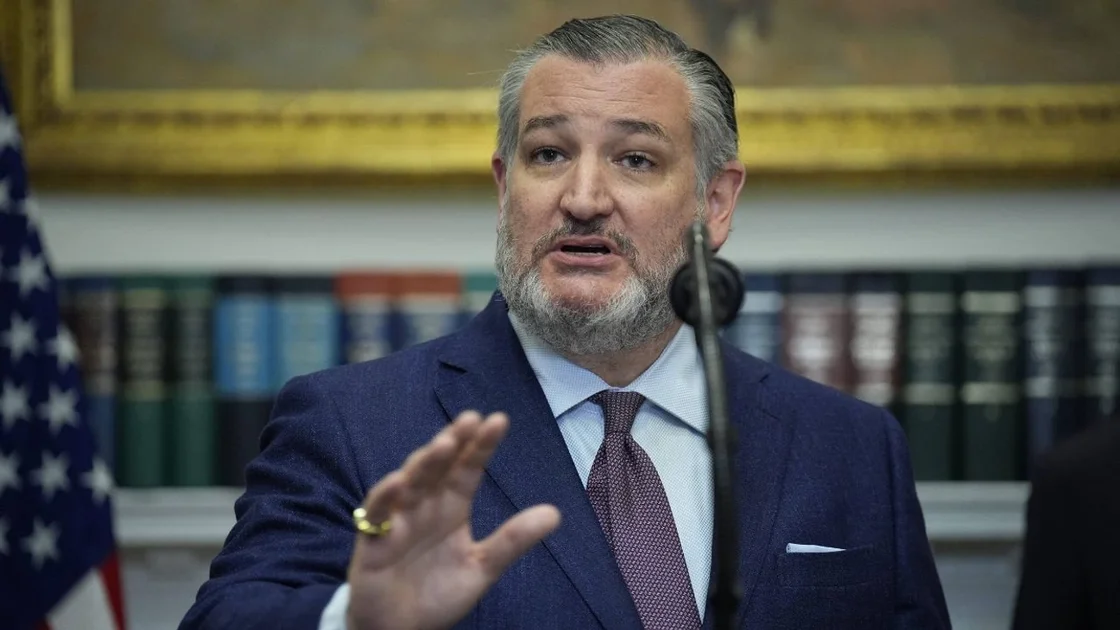
Vice President JD Vance took a direct shot at Sen. Ted Cruz (R-Texas) this week, saying it is "really obvious" that Cruz is running for president in 2028. In an interview with NBC News released Thursday, Vance said, "At this moment, I'm not. I'm trying to help elect Republicans. That's what I'm going to keep on doing." The comments mark a rare public swipe at a potential rival and signal that the 2028 Republican primary is already taking shape, even as the 2026 midterms loom just 35 days away.
Cruz responded by emphasizing his focus on the upcoming elections. A spokesperson told NBC News that the senator "has been focused on electing Republicans up and down the ballot this November." The Texas Republican has been actively campaigning and raising money for GOP candidates in key early primary states like Iowa and South Carolina, and is expected to appear for candidates in Alaska, Texas, and North Carolina this month.
Cruz's Political Maneuvers Draw Scrutiny
Cruz has not officially declared a presidential run, but his actions have fueled speculation. He told MS NOW in August that the Republican Party still needs to "decide who we are" and "what do we believe" before settling on a 2028 nominee. He also said on a podcast with Texas Lt. Gov. Dan Patrick that "time will tell" when asked about a campaign. In a September interview with the New York Post, Cruz argued that the GOP doesn't have another President Donald Trump in its ranks, despite Trump floating a "dream" ticket of Vance and Secretary of State Marco Rubio.
Vance, 42, has repeatedly said he won't decide on a 2028 bid until after the midterms. But he acknowledged that the Nov. 3 results could shape his thinking, saying, "Regardless of what happens over the next 35 days, there will be new information, new things you have to make a decision over." He also conceded that Republicans face an "uphill climb" due to historical trends, though he noted "cautious optimism" that numbers may be shifting.
The Stakes: Midterms Could Define 2028 Dynamics
The escalating tension between Vance and Cruz comes as Republicans brace for a difficult midterm election. With Trump's average approval ratings in the mid-30s and Democrats leading in generic ballot polls, many in the GOP fear heavy losses. One House Republican told MS NOW, "We're gonna get crushed." The Senate Republicans' top super PAC has already pulled resources from North Carolina and shifted them to Kansas, a sign of a challenging map.
Vance is widely seen as the early favorite for the 2028 nomination, but his association with a potentially unpopular administration could complicate his path. Cruz and Sen. Rick Scott (R-Fla.) have shown minimal support in early polling, while Rubio has signaled he won't challenge Vance. Karl Rove has expressed concern about handing Vance the nomination with little opposition.
Cruz's Opening: Time and Distance from Washington
For Cruz, the opening may come if Republicans suffer major losses in 2026. As the party absorbs expected defeats, Vance could enter the 2028 race with the strongest claim, but Cruz remains in the field, hoping to position himself as an alternative. His recent travel to early primary states and his emphasis on a "small-government, free-market conservative party" suggest he is laying groundwork.
Cruz's team insists he is focused on 2026, but his actions tell a different story. The Texas senator has been one of the most visible Republican surrogates this cycle, and his willingness to engage with Vance's jabs—even indirectly—shows he is not shying away from a fight.
Perspective: A GOP Rivalry That Could Reshape the Party
The Vance-Cruz friction reflects a broader battle for the soul of the Republican Party. Vance represents the Trump-aligned, populist wing, while Cruz has tried to position himself as a Reagan-style conservative. Their rivalry could define the 2028 primary, especially if Trump's influence wanes or if the midterms go badly for the GOP.
Vance's comment that Cruz is "really obvious" about running is a signal that the vice president is not willing to cede the spotlight. It also puts Cruz in a tricky spot: he must appeal to Trump's base while differentiating himself from Vance. So far, Cruz has avoided direct confrontation, but the pressure will only grow as the midterms approach and the 2028 race begins in earnest.
With the midterms just over a month away, the results will likely shape both men's strategies. A strong GOP showing could bolster Vance's claim as the heir apparent, while a poor one could open the door for Cruz or others. Either way, the jockeying has already begun, and the Republican Party is in for a long, contentious primary battle.
As voters head to the polls in November, the underlying question remains: who will lead the GOP into the next era? For now, Vance and Cruz are content to trade barbs while the country decides.
Comments