
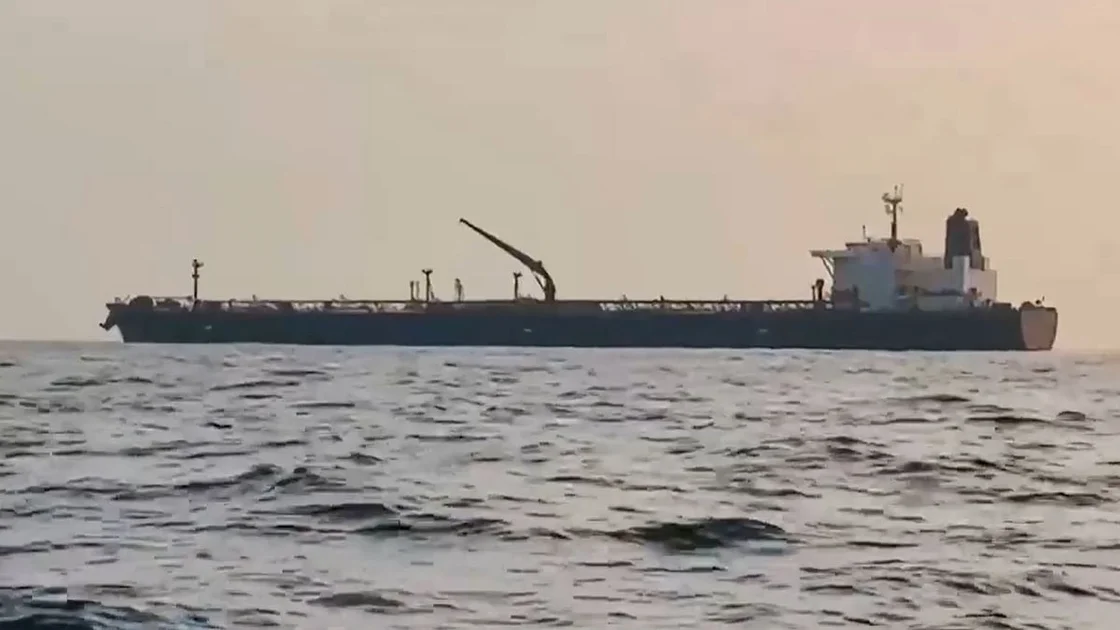
Iran Slams the Door Shut Again on the World's Most Critical Oil Chokepoint
In a whiplash reversal that sent fresh shockwaves through global energy markets, Iranian military officials announced on Saturday, April 18, 2026, that the Strait of Hormuz had returned to a state of "strict control" — just one day after Tehran had declared the vital waterway "completely open" to commercial vessels. A spokesperson for Iran's Khatam al-Anbiya military command headquarters stated that "control over the Strait of Hormuz has returned to its previous state, and this strategic waterway is now under strict management and control of the armed forces."
The reversal came after U.S. President Donald Trump reaffirmed that the American naval blockade of Iranian ports would remain fully in place until a formal peace deal was signed. Tehran's response was immediate and pointed: the Strait would "not remain open" as long as Washington continued to restrict Iranian commercial ships and oil tankers. Adding to the day's volatility, the British military's United Kingdom Maritime Trade Operations center reported that two Iranian gunboats had fired on a tanker in the Strait of Hormuz on Saturday, though the vessel and its crew were reported safe.
A 24-Hour Opening That Moved Markets — Then Vanished
Friday's brief announcement of an open Strait had an almost instant economic effect. U.S. crude oil plunged 11.4% to $83.85 per barrel, its lowest level in over a month, while international Brent crude slid 9% to $90.38 per barrel — down sharply from peaks near $120. The speed at which those gains evaporated following Saturday's reimposition of restrictions illustrated just how tightly strung global energy markets have become throughout this crisis. For context on how the U.S. naval presence is anchoring this standoff, see our earlier coverage: USS Dwight D. Eisenhower at the Center of a Hormuz Blockade That Could Draw China Into War.
The Blockade, the Bomb, and the Diplomatic Maze
The reimposition of Iranian restrictions on the Strait is the latest escalation in a conflict that has been building since U.S. and Israeli strikes on Iran began on February 28, 2026. The U.S. military stated that its blockade of Iranian ports had been "fully implemented," with American forces reportedly turning back ten ships since the blockade began earlier in the week, effectively halting all maritime economic trade into and out of Iran.
At the heart of the diplomatic standoff lies Iran's nuclear program. President Trump claimed this week that Tehran had "agreed to everything" and would cooperate with the United States in the removal of its enriched uranium stockpiles. However, Iranian Foreign Ministry officials flatly contradicted this account, stating that the country's uranium "is not going to be transferred anywhere" and that the subject had not featured in any formal negotiation. Trump, for his part, maintained that a deal was "very close" and that "no sticking points" remained.
In-person negotiations between Washington and Tehran were described as potentially resuming as early as this week, with Pakistan and Egypt serving as active mediators. Egyptian Foreign Minister Badr Abdelatty confirmed Saturday that both countries were working "very hard" toward a final agreement, speaking from the Antalya Diplomacy Forum in Turkey.
Lebanon, Hezbollah, and a Fragile Regional Ceasefire
Beyond the Hormuz crisis, Lebanon has entered what its president Joseph Aoun described as a "new phase" following a ceasefire agreement with Israel. Trump stated that Israeli and Lebanese leaders would speak for the first time in 34 years, though neither side officially confirmed this. The Israeli military simultaneously announced the establishment of a "Yellow Line" demarcation in southern Lebanon, declaring that it had already struck militants who approached its forces in violation of ceasefire terms — underscoring how precarious the truce remains. Iran's death toll since strikes began stands at more than 3,300, while over 2,100 people have been killed in Lebanon and 13 U.S. service members have died.
The Global Stakes of a Chokepoint in Crisis
The Strait of Hormuz is not merely a regional flashpoint — approximately 20% of the world's oil supply passes through its narrow waters. Every shift in its status reverberates from Asian manufacturing hubs to European fuel pumps. France and the United Kingdom have announced plans to join a multinational mission to help secure navigation through the strait, reflecting growing international alarm over the waterway's instability. Nations dependent on Gulf crude imports have already begun seeking alternative supply arrangements; energy-dependent economies have been forced into emergency procurement strategies, as explored in our report on South Korea Locks In 273 Million Barrels of Crude Oil as Hormuz Blockade Forces Energy Rethink.
China, which imports heavily from the region, remains a critical variable. Trump claimed Beijing was "very happy" with U.S. efforts to "permanently open" the Strait and said President Xi Jinping had agreed not to supply weapons to Iran — even as China had previously labeled the U.S. blockade "dangerous." Whether Beijing can serve as a stabilizing pressure on Tehran or whether it will prioritize its own energy security interests remains one of the conflict's most consequential open questions.
As of April 18, 2026, the situation defies easy resolution. Diplomacy is inching forward through back channels while military pressure is simultaneously intensifying on multiple fronts. The Strait of Hormuz, open one day and locked down the next, has become the most visible barometer of a conflict whose outcome will shape not just the Middle East, but the structure of global energy security for years to come.
Comments