
Russia Expands Anti-Drone Netting Over Pacific Submarine Fleet
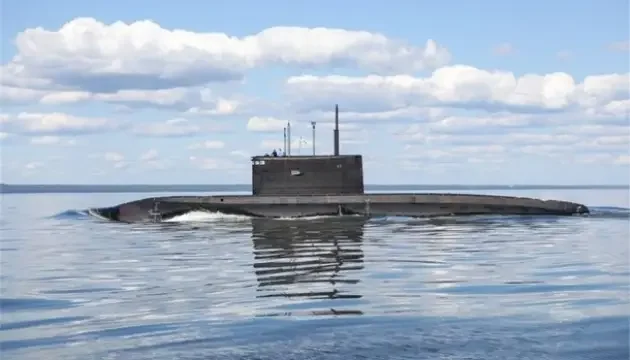
New satellite imagery from August 4, 2026, reveals that the Russian Navy has significantly expanded the use of anti-drone netting over submarines at its Rybachiy Nuclear Submarine Base on the Kamchatka Peninsula. The images, provided by US spatial intelligence firm Vantor and first reported by Business Insider, show more than half a dozen submarines—including Borei and Borei-A class nuclear ballistic missile submarines—fully covered by protective nets at their moorings.
The netting at Rybachiy, which serves as the homeport for the majority of Russia's strategic missile submarines, was first observed in May 2026 when only two submarines were covered. By August, the coverage had multiplied, with crane barges visible in the imagery assisting in the installation. This development signals that Russia's concerns about drone threats have now reached its most critical strategic naval facilities, thousands of miles from the battlefields of Ukraine.
Drone Defenses Mirror Black Sea Tactics
The nets bear a striking resemblance to those used by Russian forces in and around Ukraine to protect ground and naval assets from kamikaze drone attacks. The same countermeasure has been observed at Russian naval bases in the Black Sea, where Ukrainian drones have repeatedly targeted warships and port infrastructure. The expansion to the Pacific indicates a broader shift in Russian defense planning, acknowledging that drone threats are no longer confined to active conflict zones.
Beyond the nets, satellite imagery also shows floating booms strung around the piers at Rybachiy. These barriers are designed to counter surface threats, particularly explosive-laden unmanned surface vessels (USVs), which Ukraine has used effectively in the Black Sea. Together, these measures create a layered defense against both aerial and maritime drone attacks.
Why This Matters: The Global Drone Threat
The deployment of anti-drone nets at a base located more than 4,500 miles from Ukraine underscores a new reality: drone warfare has expanded far beyond traditional frontlines. Ukrainian forces have demonstrated the ability to strike deep into Russian territory, with attacks reported over 1,000 miles inside the country. Even more concerning for Moscow, Ukraine has launched drones from within Russian borders, bypassing long-range limitations.
In June 2025, Operation Spiderweb showcased Ukraine's reach when drones swarmed Russian air bases in the Arctic, Siberia, and even the far east near China's border. That operation likely served as a wake-up call, prompting Russia to harden defenses at its most remote and valuable assets, including its nuclear submarine fleet.
The Rybachiy base is not just any facility—it houses Russia's primary strategic deterrent. The Borei-class submarines are the backbone of Moscow's sea-based nuclear forces, and their protection is paramount. The visible netting, while seemingly rudimentary against advanced threats, reflects a pragmatic response to the persistent and evolving drone threat.
Drone Attacks Against High-Value Targets
Kamikaze drones have proven to be a low-cost, high-impact weapon capable of disabling or destroying assets worth hundreds of millions of dollars. The use of nets is a countermeasure that has gained traction globally, with other armed forces also employing similar measures to protect air defense systems, warships, and even oil refineries. The approach is simple: physically intercept or deflect incoming drones, which often rely on line-of-sight detection and impact detonation.
The Russian Navy's adoption of this tactic at its most guarded base signals a defensive mindset that prioritizes resilience over technological sophistication. It also highlights that even the most powerful military forces recognize the vulnerability of complex platforms like submarines when they are docked and stationary.
Perspective: A New Era of Naval Defense
The scenes at Rybachiy are emblematic of a broader global trend: the proliferation of drones has forced militaries to rethink basic assumptions about base security and force protection. What was once considered a strategic sanctuary—the homeport of nuclear submarines—is now subject to the same defensive measures seen in frontline airfields in Ukraine.
This development also resonates beyond Russia. Navies worldwide are studying the lessons of the Black Sea, where drones have redefined naval combat. The idea that a small, uncrewed aircraft or boat can threaten a billion-dollar submarine has prompted a reevaluation of how to protect high-value assets. Floating booms, nets, dedicated drone-interceptor systems, and advanced electronic warfare are no longer optional but essential components of naval base defense.
For Ukraine, the challenges are different but related. The country continues to face nightly drone attacks on its ports and critical infrastructure. In response, companies like Denmark's BlueShadow are developing systems such as the BlueDragon maritime drone defense, designed to intercept Russian Shahed drones over the Black Sea before they reach Odesa. This “maritime fortress” concept, which leverages open software architecture and Ukrainian industry, illustrates how drone threats are driving innovation in maritime defense across the region.
While Russia's nets may appear crude, they serve a clear purpose: buying time and reducing vulnerability while submarine crews and base defenses respond to an incoming threat. The imagery from Rybachiy is a visual reminder that in the age of ubiquitous drones, no corner of the globe is truly beyond reach, and no asset is too valuable to be left unprotected. As drone technology continues to spread, expect to see more unusual defensive measures at military installations worldwide, from camouflage nets to anti-drone cages and beyond.
Comments