
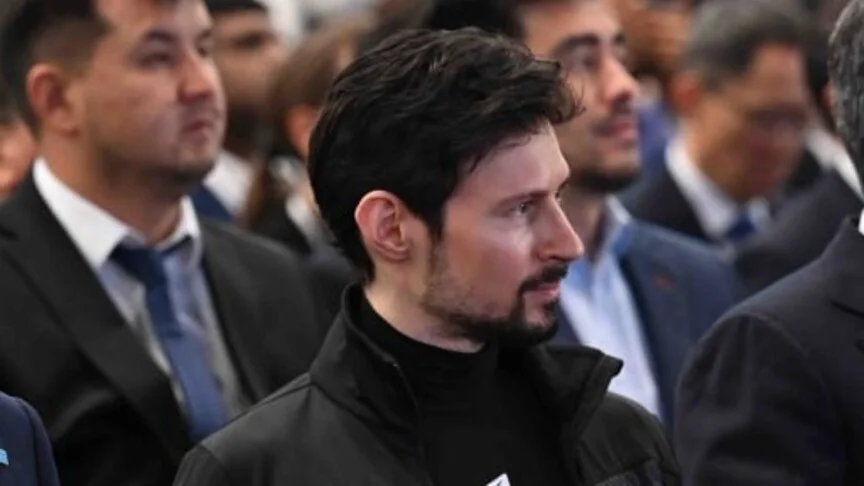
Russia Charges Telegram CEO Pavel Durov with Aiding Terrorism
Russia’s Federal Security Service (FSB) has formally charged Telegram founder and CEO Pavel Durov with facilitating terrorist activity, placing him on an international wanted list. The charges, announced on July 29, 2026, mark a dramatic escalation in Moscow’s long-running battle with the encrypted messaging platform.
According to the FSB statement reported by Interfax, Durov is accused under Article 205.1 of Russia’s criminal code—aiding terrorism—which carries a potential prison sentence of up to 15 years. The security service claims Telegram failed to remove channels and bots used by Ukrainian intelligence agencies to coordinate sabotage, killings, and cyber fraud inside Russia, resulting in "numerous human casualties," including women and children, and material damages worth billions.
The FSB has yet to present any evidence supporting these allegations, and independent verification remains impossible due to Russia’s tight control over state media. Durov himself had warned in late February 2026 that Russian authorities had opened a criminal case against him for facilitating terrorism, describing it as part of a broader effort to suppress free speech.
The 48-Hour Gap: Talks Collapse Into Charges
The timing of the charges raises questions about Russia’s intentions. Just two days earlier, on July 27, Kremlin spokesman Dmitry Peskov confirmed that Moscow was still in talks with Telegram about restoring access to the app, which has been heavily restricted since summer 2025. Peskov noted that Telegram’s representatives had not been "very active" in those discussions. Now, those negotiations appear dead.
Context: A Broader Crackdown on Encryption and Free Speech
Russia began restricting Telegram in the summer of 2025, and the app currently functions inside the country only through VPNs or other circumvention tools. The charges against Durov fit a pattern of increasing pressure on technology platforms that offer end-to-end encryption and resist government surveillance.
Telegram’s encryption policies have made it a target not only in Russia but globally. Durov also faces an ongoing investigation in France on separate charges related to content moderation and criminal activity on the platform. The dual legal threats highlight the precarious position of tech founders who operate cross-border services that governments consider security risks.
Telegram as a Wartime Communication Tool
Since Russia’s full-scale invasion of Ukraine in 2022, Telegram has become a critical communication tool for both sides. Ukrainian officials, military units, and volunteer networks rely on the platform for coordination, while Russian state media and pro-war channels use it extensively for propaganda. The FSB’s accusation that Telegram facilitated Ukrainian sabotage operations underscores how the app has become a battlefield asset.
The charges also come amid a broader escalation in the conflict. Ukrainian drone forces recently struck ten power substations in occupied Crimea, and the SBU (Ukraine’s security service) targeted a major refinery in Russia’s Perm region. The Kremlin has repeatedly linked internal security incidents to Ukrainian operations coordinated via Telegram.
Perspective: What This Changes for Tech and Geopolitics
The international arrest warrant for Pavel Durov marks one of the most aggressive moves by any government against a major tech executive. It signals that Moscow is willing to use its legal system to pursue platform leaders abroad, potentially chilling cooperation between Western tech companies and Russian authorities.
Implications for Encrypted Messaging Worldwide
Russia’s action adds to a growing global trend: governments demanding backdoor access to encrypted communications. France’s ongoing investigation into Durov, the UK’s Online Safety Bill, and various proposals in the U.S. Congress all target encrypted platforms. The FSB’s charges could embolden other regimes to pursue similar legal strategies against tech executives whose services they deem threatening.
Telegram has long been a refuge for activists, journalists, and dissidents in authoritarian states. But that same resistance to censorship has made it a liability for Durov, especially as wartime pressures mount. If Moscow succeeds in extraditing Durov or pressuring Telegram to comply with its demands, it could set a dangerous precedent for digital rights.
The charges also affect internal Russian politics, where the Kremlin is increasingly targeting independent voices. Burnham reshuffle signals Labour pivot as new poll shows party overtaking Reform—but in Moscow, the message is different: no platform is beyond the state’s reach.
Durov’s Wanted Status: A Largely Symbolic Move?
Because Durov is not in Russia and holds multiple citizenships, the international warrant is unlikely to result in immediate arrest. However, it complicates his travel and could lead to detention in countries with extradition treaties with Moscow. The charge also serves as a warning to other tech founders: if your platform challenges state power, you may face criminal liability.
Meanwhile, the war in Ukraine continues to reshape energy markets, with Ukraine drone blitz on Russian oil refineries deepens domestic fuel crisis. Telegram remains central to how both sides communicate and coordinate, making the crackdown on Durov both a legal and a geopolitical maneuver.
In the coming days, expect Telegram to release an official response, while human rights organizations are likely to condemn the charges as politically motivated. For now, Pavel Durov remains at large—but Russia’s message is clear.
Comments