
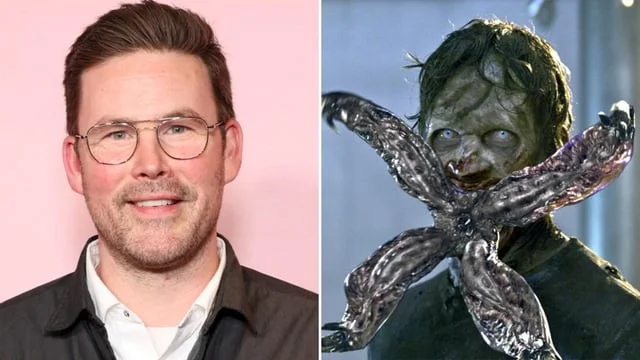
Resident Evil 2026: Zach Cregger's Reboot Aims to Restore Survival Horror Roots
Fans of the long-running survival horror franchise have a packed September ahead, as the newly rebooted Resident Evil movie prepares to hit theaters on September 18, 2026. Directed by Zach Cregger (Barbarian, Weapons), the film is being positioned as a deliberate departure from the action-heavy adaptations of the past, leaning instead into the atmospheric terror that defined the early video games.
The movie stars Austin Abrams (Euphoria) as Bryan, a medical courier thrust into a desperate fight for survival. The supporting cast includes Zach Cherry (Severance), Kali Reis (True Detective: Night Country), Paul Walter Hauser (Cobra Kai), and Johnno Wilson (Twisted Metal). Sony Pictures is distributing via Columbia Pictures, with a co-written script by Cregger and Shay Hatten, known for his work on the John Wick franchise.
According to industry observers, the first trailer—set in a snowy, isolated environment—signals a tonal shift toward the "classic, atmospheric survival horror" of recent game installments like Resident Evil 7: Biohazard and Resident Evil Village. Variety's horror preview describes the film as "a gory, wild chase movie," while Yahoo Entertainment notes it will be "completely different from any 'Resident Evil' project we've seen before."
A Month of Resident Evil Releases
The theatrical release comes at the end of a month that also delivers six older Resident Evil movies to streaming platforms. On September 1, three live-action films from the Milla Jovovich-led franchise—including Resident Evil: Extinction (2007)—became available on Netflix. Animated entries more closely tied to the game canon are also scheduled for release across various services throughout the month.
This coordinated rollout—streaming classics ahead of a major theatrical debut—underscores how the franchise is being repositioned for both longtime fans and newcomers. As ScreenRant notes, September "will be a great month for Resident Evil fans," offering an extended primer before the new film's debut.
Why This Reboot Matters: The Legacy of Video Game Adaptations
The original Resident Evil film series, directed primarily by Paul W.S. Anderson and starring Milla Jovovich as the original character Alice, ran from 2002 to 2016. While commercially successful, those films often prioritized sci-fi-flavored action, wire-fu choreography, and increasingly absurd set pieces over the tense, resource-starved gameplay that made the Capcom games iconic. The 2021 reboot, Resident Evil: Welcome to Raccoon City, attempted greater fidelity to the games but received mixed reviews and failed to launch a new franchise.
Cregger's film arrives as the video game franchise itself has returned to its roots. Resident Evil 7 and Resident Evil Village were praised for reintroducing atmospheric dread and survival mechanics after years of more action-oriented titles. The 2026 game Resident Evil Requiem, already released on Switch 2 and other platforms, continues that trend, suggesting a coordinated creative vision across media.
Also in the news this week: the Nintendo Switch 2 is getting another Resident Evil-inspired title, The Sinking City 2, in 2027. The Frogwares-developed horror game, which launched earlier this year on other consoles, has drawn comparisons to recent Capcom remakes, further evidence of the genre's sustained appetite for this style of play.
Analysts note that successful video game adaptations in recent years—from The Last of Us to Super Mario Bros.—have raised audience expectations for faithful adaptations that respect source material. Cregger's horror credentials, particularly his breakout hit Barbarian, have made him a promising choice for a franchise that needs a critical, not just commercial, win.
A New Era for Resident Evil on Screen
The stakes are high. The 2002–2016 films grossed over $1.2 billion worldwide, proving there is an audience, but no adaptation has yet satisfied hardcore fans who crave the claustrophobic tension of the games. With Cregger, Sony is betting that a well-respected genre director can deliver both scares and box office returns.
Initial buzz is cautiously optimistic. Early descriptions emphasize the film's "survival horror" roots, with a protagonist who is "an ordinary person," not a super-soldier. The casting of Abrams, known for dramatic and comedic roles, suggests a vulnerable everyman thrust into nightmare circumstances. This aligns with the tone of recent successful horror films that focus on psychological dread and practical effects over CGI spectacle.
The film's release date—September 18, in the heart of horror season—bodes well. It also arrives during a strong month for genre cinema: A24's Onslaught (September 4), Neon's Hope (September 9), and the Spierig Brothers' Fall 2: Deadpoint (September 2) are all vying for audiences. The convergence of horror releases highlights the genre's commercial vitality, but it also means Resident Evil will need to stand out.
If Cregger succeeds, the film could pave the way for a new multimedia canon that treats the games' lore with seriousness—similar to how Resident Evil is handled in the animated films. If it stumbles, it risks becoming another cautionary tale about the difficult translation from pixels to cinema.
What This Changes: The Future of Horror Adaptations
Beyond the immediate box office prospects, the 2026 Resident Evil movie represents a broader trend: the maturation of video game horror on screen. With the games themselves evolving to emphasize atmospheric tension over action, the movie has a clear blueprint. The involvement of Shay Hatten, despite his action background, suggests a hybrid approach—perhaps capturing the type of visceral, practical-Effect chase sequences that made the recent John Wick films so effective, but filtered through a horror lens.
For the Resident Evil franchise, this is a make-or-break moment. A successful reboot could finally align the film series with the game's current direction, opening doors for sequels, spin-offs, and possibly a shared universe. The streaming releases this month are a calculated move to remind audiences of the franchise's history while generating excitement for its new chapter.
For fans, the wait is nearly over. Advance screenings and press reactions will begin circulating in the coming week, offering early hints about whether Cregger has delivered on his promise. Until then, the six classic films on streaming offer both nostalgia and a stark contrast—demonstrating exactly what the new movie aims to correct.
As the release date approaches, ticket pre-sales will be monitored closely. A strong opening would validate Sony's confidence and set the stage for a new era of video game horror. For the moment, fans can only speculate whether this will finally be the adaptation that gets it right—but the signs are more promising than they have been in two decades.
For those planning their entertainment schedule, September also brings other notable events. The Labor Day 2026 sales and the shadow of trade wars and the September 2026 weather outlook from the Old Farmer's Almanac may influence weekend plans.
Comments