
Extreme Heat Engulfs Millions Across the United States
As the calendar edges toward the official start of summer on June 20, a punishing heat wave has already descended upon much of the United States, breaking temperature records and triggering emergency protocols from coast to coast. The National Weather Service (NWS) has issued heat advisories and excessive heat warnings for an estimated 26 million people across the West, the Plains, and the Southeast, with daytime highs expected to reach 108 degrees Fahrenheit in some areas.
In Connecticut, Governor Ned Lamont activated the state’s Extreme Hot Weather Protocol on June 11, 2026, directing cooling centers to open statewide. The protocol will remain in effect through June 14, as temperatures are forecast to exceed 90 degrees each day, with the heat index topping 100 degrees. “This protocol helps ensure that everyone has access to a safe place to stay cool and get relief from the extremely hot and humid conditions outside,” Governor Lamont said in a press release. Cooling center locations are available by calling 2-1-1 or visiting www.211ct.org.
New York City has also issued a “code red” warning amid the extreme heat, as residents and visitors seek shade and hydration. Images of people walking with umbrellas along the Brooklyn Bridge have become emblematic of a city bracing for a prolonged heat event. Temperatures in the region are expected to be 5 to 10 degrees above typical mid-June levels, with some areas seeing highs up to 25 degrees above normal on the West Coast.
West Coast Bakes in Record-Setting Temperatures
The West Coast is particularly vulnerable this weekend. Daytime temperatures will range from the 80s to over 100 degrees across California, Oregon, and Washington. Heat alerts are active for Bakersfield, Redding, Portland, and Seattle. These readings come just days before the summer solstice, underscoring how early and intense the season’s heat has become.
According to the NWS, the combination of high temperatures, severe thunderstorms, and flash flooding threatens tens of millions of people. On Saturday, severe thunderstorm warnings were in effect for parts of Nebraska, Kansas, Tennessee, Arkansas, Kentucky, and North Carolina. Additionally, 22 million people from Texas to Kentucky are at risk for strong storms, including nocturnal tornadoes, destructive wind gusts over 75 mph, and large hail. Flash flood alerts are also in place for many of these areas.
El Niño Arrives: A ‘Doozy’ That Could Break Records
The current heat wave is unfolding against the backdrop of a newly declared El Niño event. On June 11, 2026, the National Weather Service announced that El Niño has officially arrived, and forecasters warn that this one could be among the strongest on record. “There is a 63% chance that we’re looking at a very strong El Niño during the November to January time period that could rank amongst the largest El Niño events in the historical record,” said Ariel Cohen, a meteorologist for the NWS in Los Angeles, during a news conference at the Aquarium of the Pacific in Long Beach, California.
El Niño is a natural climate pattern characterized by warm surface temperatures in the tropical Pacific Ocean. It is associated with higher average global temperatures and can exacerbate the effects of climate change. In the United States, El Niño’s influence is most pronounced in winter, when it shifts the jet stream southward. This typically leads to dry, warmer-than-usual conditions in the Pacific Northwest and unusually wet weather in the southern states, which can prime the region for flooding.
However, the current heat wave is not solely attributable to El Niño. The pattern is amplifying already high temperatures driven by climate change. As NBC News reported, “El Niño’s influence is most obvious in the winter,” but its effects can extend into summer by contributing to marine heat waves and altering atmospheric circulation patterns.
Marine Heat Waves Compound the Crisis
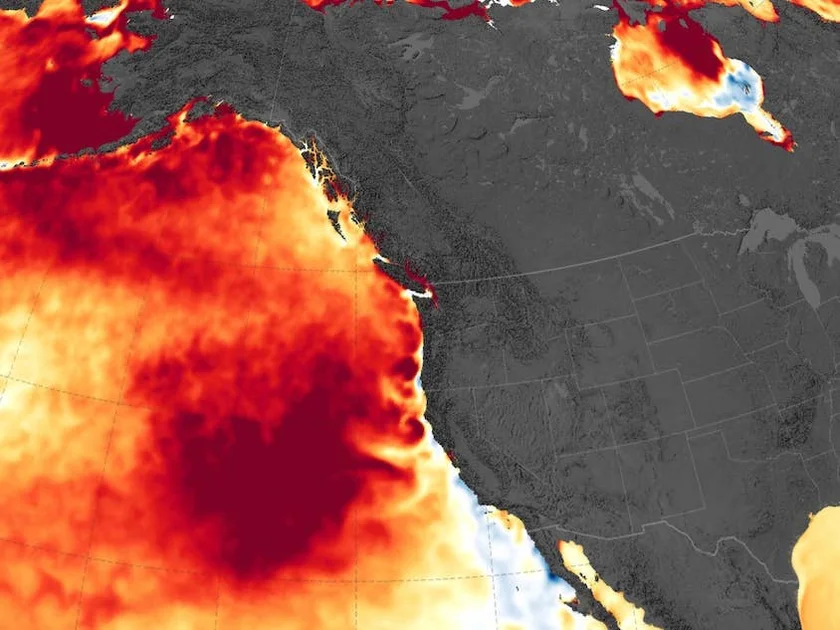
Andrew Leising, a research oceanographer with the National Oceanic and Atmospheric Administration’s Southwest Fisheries Science Center, noted that two marine heat waves are already affecting the Pacific Ocean—one near the coast of California and another farther offshore. While El Niño did not cause either of these events, NOAA models suggest that the pattern will drive ocean temperatures even higher this fall, leaving parts of the Pacific roasting in back-to-back heat waves.
“One of the most important things for the animals in the ecosystem is not necessarily just how hot it is ... but just how long they’re exposed to the heat,” Leising said. “We have a situation in Southern California where we’ve already had this heat wave, and we’re just rolling into a heat wave that’s been brought about by El Niño.”
Why This Heat Wave Matters: Health, Infrastructure, and Emergency Response
Extreme heat is the deadliest weather-related hazard in the United States, killing more people annually than hurricanes, floods, or tornadoes. The current heat wave poses significant risks to vulnerable populations, including the elderly, children, and those with pre-existing medical conditions. Governor Lamont’s activation of Connecticut’s Extreme Hot Weather Protocol is a direct response to these dangers. The protocol coordinates state agencies, municipalities, and United Way 2-1-1 to ensure that cooling centers are available and information is disseminated effectively.
Power outages are already being reported. On Tuesday, June 9, severe weather knocked out power to 35,000 customers in Kansas. The combination of high demand for air conditioning and severe thunderstorms could lead to more widespread blackouts in the coming days. In areas where power is lost, residents face increased risk of heat-related illness, as fans and air conditioners become useless.
The heat has also disrupted daily life in major cities. In New York, the “code red” warning urges residents to limit outdoor activity and check on neighbors. Meanwhile, in the South and Plains, baseball-sized hail and damaging winds are compounding the threat, with forecasts warning of nocturnal tornadoes in Kansas, Missouri, and Oklahoma.
Agricultural and Economic Impacts
The heat wave arrives at a critical time for agriculture. Many crops are in their early growth stages, and prolonged temperatures above 90 degrees can damage corn, soybeans, and other staples. The Pacific Northwest, already mired in drought after receiving middling snowpack, is especially vulnerable. El Niño is expected to bring dry, warmer-than-usual conditions to that region this winter, potentially exacerbating water shortages.
On the economic front, businesses reliant on outdoor activity—such as construction, tourism, and recreation—are already feeling the pinch. Construction crews may be forced to halt work during peak heat hours, and outdoor events are being canceled or moved indoors. The energy grid is under strain as air conditioning usage spikes, raising the risk of rolling blackouts.
Broader Implications: A New Normal for US Summers?
The convergence of an early-season heat wave and a potentially record-breaking El Niño raises urgent questions about the trajectory of climate change and its effects on weather patterns. Scientists have long warned that rising global temperatures will make heat waves more frequent, more intense, and longer-lasting. The current event appears to fit that pattern.
According to the NWS, the current temperatures are 5 to 10 degrees above normal in many areas, and on the West Coast, readings are 10 to 25 degrees above normal. These anomalies are consistent with the warming trend driven by anthropogenic climate change, which has already raised average global temperatures by more than 1 degree Celsius above pre-industrial levels.
El Niño’s arrival compounds these trends. The pattern can drive global temperatures to record highs, as seen during the 2015–2016 El Niño, which was one of the strongest on record. If the current event follows suit, 2026 could be one of the hottest years ever measured. This has implications not only for public health but also for ecosystems. Marine heat waves, which are expected to intensify this fall, can cause mass die-offs of fish and other sea life, disrupt fisheries, and alter ocean food webs.
What This Changes for Policy and Preparedness
The early onset of extreme heat is prompting calls for better preparedness at all levels of government. Connecticut’s proactive activation of its heat protocol serves as a model, but many states and cities lack similar infrastructure. As heat waves become more common, investments in cooling centers, green infrastructure, and emergency response systems will become increasingly critical.
Public awareness campaigns are also essential. Educating residents about the signs of heat exhaustion and heat stroke—such as dizziness, nausea, and confusion—can save lives. The use of “code red” alerts and heat advisories by the NWS provides timely warnings, but individual action is equally important.
Looking Ahead: What to Expect in the Coming Weeks
As the weekend progresses, the heat is expected to persist, with showers and thunderstorms pushing into the mid-Atlantic, Appalachians, and Ohio Valley by Sunday. Up to 54 million people—including those in New York City, Philadelphia, Baltimore, and Washington, DC—are at risk for severe weather, including wind gusts exceeding 65 mph and quarter-sized hail.
The storms could bring much-needed relief from the heat in some areas, but they also carry the risk of flash flooding and tornadoes. Residents in affected areas should monitor local forecasts and be prepared to seek shelter if warnings are issued.
Long-term, the National Weather Service will continue to monitor El Niño’s development. If it strengthens as predicted, the winter of 2026–2027 could see significant disruptions to typical weather patterns. For now, the immediate priority is coping with the heat—and hoping that the summer ahead does not bring more of the same.
For those seeking to stay safe during the heat wave, public health officials recommend staying hydrated, avoiding strenuous outdoor activity during peak hours, and checking on elderly neighbors and pets. Cooling centers are open in many communities; visit your local or state emergency management website for details.
In related news, sports and entertainment events are also adapting to the heat. For example, the World Cup 2026 Sub Rules: Five Subs, 10-Second Clock, and Extra Time Changes have been adjusted to allow for more player substitutions to manage heat stress on the field. Meanwhile, even off the field, the heat is making headlines—Declan Rice Sunburn Goes Viral as England Star Mum ‘Killing Me’ Over World Cup Heat reminds us that no one is immune to the sun’s intensity.
Comments