
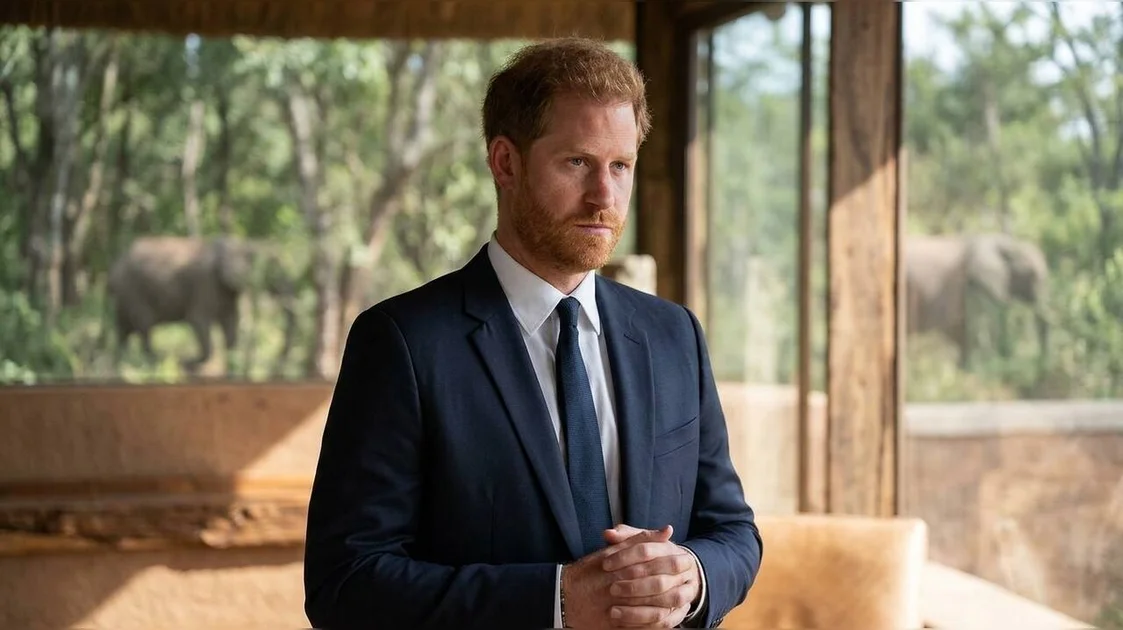
Prince Harry Quits African Parks Board Amid Abuse Scandal as UK Return Looms
The Duke of Sussex has stepped down from the board of African Parks, the continent-wide conservation charity he has served for a decade, following a human rights scandal involving its rangers. A spokesperson for Prince Harry confirmed the departure on Monday, stating that he remains an "active and avid supporter" of the organisation's mission, despite ending his formal role as a trustee.
The resignation comes just days after the couple's plan to relocate to the United Kingdom was reported, creating a startling juxtaposition in the duke's public life. While Harry is preparing to move his family back to British soil for an extended period, he is simultaneously severing formal ties with one of his most longstanding professional commitments.
According to the Guardian, African Parks admitted last year that its rangers committed human rights abuses against members of the Baka community in the Odzala-Kokoua National Park in the Republic of the Congo. An independent review confirmed allegations, initially reported by the Mail on Sunday, that rangers had beaten, waterboarded, and raped local people to prevent them from accessing ancestral forests now managed by the conservation group.
A Damning Review and Calls for Accountability
The abuse allegations date back to a 2024 report in which community members described systemic violence aimed at excluding them from land they have inhabited for generations. African Parks subsequently released a statement acknowledging that abuses occurred and said it had strengthened safeguarding processes both at the park and institutionally.
Despite those reforms, human rights groups continued to pressure the duke to act. Caroline Pearce, executive director of Survival International, said it was "outrageous that for 10 years Prince Harry has served African Parks" while its staff "had been responsible for abuse and violence against Indigenous people." She added that his departure does not undo that record and that the organisation itself must now be held accountable and abandon what she called "this model of fortress conservation."
Prince Harry first served as president of African Parks for six years before joining its board of directors in 2023. The charity, founded 26 years ago, manages more than 20 million hectares across 13 African countries in partnership with local governments and communities. In a statement, African Parks expressed "deep gratitude" for the duke's decade of commitment, while his spokesperson emphasized that his conservation work in Africa would continue.
A Private Return to the UK
The news of the board resignation lands amid a moment of significant personal transition. The Duke and Duchess of Sussex are preparing to move from California to a private, non-royal residence outside London later this month, with their children, Prince Archie, seven, and Princess Lilibet, five, enrolled in a British school starting in September.
Sources close to the couple told ABC News that Harry and Meghan have not decided exactly how long they will remain in the UK, but that they plan to stay for an "extended period of time." School placements were a key factor in the timing, but a source said many other elements also "fell into place" to make the move possible.
King Charles III was informed of the family's decision on August 16, just days before the news broke publicly. Unlike previous meetings, the king welcomed the move and looks forward to seeing more of his grandchildren in a private and personal capacity, according to palace sources. The Prince and Princess of Wales have also been informed of the couple's plans, though there are currently no intentions for Harry and Meghan to resume official royal duties.
The move marks a profound reversal from six years ago, when the couple stepped down as senior working royals and withdrew to North America. Over that period, their visits to the UK were measured and infrequent. They brought their children only twice: once for Queen Elizabeth II's Platinum Jubilee in 2022 and again this past July, when they met privately with the king at Highgrove. That July meeting was the first time Charles had seen his grandchildren in more than four years.
A Season of Reckoning and Reconciliation
The convergence of these two stories highlights a duke who is simultaneously closing one chapter and opening another. The African Parks resignation addresses a growing ethical liability that had threatened to taint his charitable legacy. It follows a pattern of Prince Harry publicly aligning himself with causes that carry significant moral weight, but that also place him in positions of scrutiny when those institutions fail.
At the same time, the planned return to the UK reframes his family's relationship with the monarchy. While the Sussexes will remain private individuals, their physical relocation changes the dynamics of estrangement that have defined their dealings with the royal household since 2020. The presence of Archie and Lilibet in a British school, with weekend visits to Highgrove, suggests a normalisation that palace insiders had long considered unlikely.
The broader implications are significant for how the royal family manages its public-facing image. With Harry back on British soil, the potential for both reconciliation and friction increases. The duke will be navigating a landscape where his independent ventures, including his legal battles and media deals, continue to set him apart from the institution he left.
For conservation advocates, the African Parks departure is a cautionary tale about the intersection of celebrity patronage and the real-world consequences of conservation management. The fortress conservation model, which prioritises land protection over the rights of indigenous inhabitants, has increasingly come under fire from human rights organisations.
Prince Harry's spokesperson was clear that his commitment to conservation in Africa remains undiminished. But his formal exit from the board, combined with his family's return to the UK, signals that the duke is redefining his priorities. The coming months will reveal whether this new balance will bring him closer to his family or further intensify the complicated territory between his public causes and his private life. For now, the announcement leaves both his admirers and critics watching closely to see what shape his next chapter will take.
Comments