
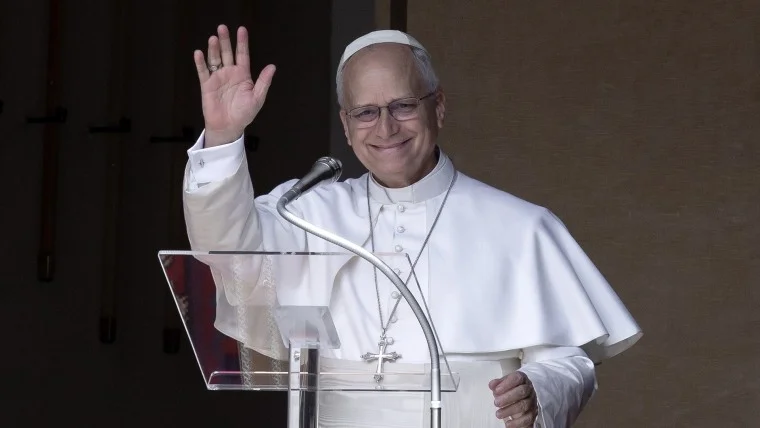
Pope Leo XIV Unites World Through Music at Castel Gandolfo
On July 29, 2026, Pope Leo XIV presided over the "Canticle of Peace," a global Concert for Peace held at Borgo Laudato Si’, part of the Pontifical Residence of Castel Gandolfo outside Rome. The event brought together an international choir of 164 children and young people from crisis-affected regions—the Holy Land, Uganda, Haiti, and Italy—alongside tenor Andrea Bocelli and the ABF Voices Choir. The prayerful concert, streamed live by Vatican News and broadcast exclusively in the United States by NBC News and Noticias Telemundo, aimed to transform music into a universal language of peace, hope, and reconciliation.
A Night of Prayer and Music
The evening began at 9:30 p.m. CET, with Pope Leo leading a reflective moment inspired by St. Francis of Assisi’s Canticle of the Creatures. Bocelli’s voice soared over the historic gardens, accompanied by the young singers whose lives have been shaped by war, poverty, and displacement. The concert concluded a 10-day gathering that connected choristers and educators for the first time, fostering mutual understanding and a sense of global community.
Why This Concert Matters: A Beacon Amid Global Conflict
The Concert for Peace arrives at a time of escalating global tensions. Wars in Ukraine, the Middle East, and ongoing crises in Haiti and parts of Africa have left millions displaced. The event’s symbolism—children from conflict zones singing together under the patronage of a Pope dedicated to peace—carries profound weight. It marks the 800th anniversary of St. Francis of Assisi’s death, a saint renowned for his message of brotherhood and care for creation.
The St. Francis Legacy
St. Francis, who died in 1226, is celebrated for his radical peacemaking and love for all creatures. The concert’s setting at Borgo Laudato Si’, named after Pope Francis’s landmark encyclical on ecology and human fraternity, underscores continuity with Vatican advocacy for peace. Cardinal Fabio Baggio, director of the Laudato Si’ Center for Higher Education, noted that the event demonstrates how faith translates into "concrete gestures of encounter, education, and fraternity." In a world torn by division, the gathering of young people from five distinct crisis zones sends a powerful message: peace is built by teaching people to meet, dialogue, and care for one another.
A Global Broadcast Reach
The concert’s reach extended far beyond Italy. NBC News and Noticias Telemundo served as exclusive U.S. broadcasters, airing the event live at 1 p.m. ET on NBC and Telemundo, and streaming on NBC News NOW and Noticias Telemundo AHORA. Anchors Tom Llamas and Julio Vaqueiro provided special coverage from Rome, including a rare encounter with Pope Leo XIV. This media partnership amplified the concert’s impact, bringing the Pope’s plea for peace into millions of homes.
The Choir: Voices of Resilience
The heart of the concert was the ABF Voices Choir, composed of 164 young people from regions scarred by conflict. Each member brought a story of survival:
- Holy Land: Children from territories affected by the Israeli-Palestinian conflict, where daily life is marked by uncertainty.
- Uganda: Youngsters from communities still healing from decades of civil war and displacement.
- Haiti: Children from a nation grappling with political instability, gang violence, and natural disasters.
- Italy: Young Italians from diverse backgrounds, some from immigrant families or economically challenged areas.
Music as a Universal Language
These children, many of whom had never traveled abroad before, participated in a 10-day residency leading up to the concert. Through workshops and rehearsals, they learned not only songs but also the value of cooperation and trust. As the Vatican News noted, their voices became "a testament to the power of music and art as languages of dialogue, hope, and reconciliation." For audiences watching worldwide, the sight of children from enemy regions singing together was a poignant counterpoint to news headlines of war.
Perspectives: A Shift in Papal Diplomacy?
Pope Leo XIV, who succeeded Pope Francis in 2025, has made peace and ecology central themes of his papacy. The Concert for Peace marks a significant evolution in Vatican diplomacy, leveraging media partnerships and celebrity involvement to reach secular audiences. Unlike traditional papal addresses, this event combined prayer with popular culture, using Bocelli’s star power and NBC’s broadcast muscle to engage younger, more diverse viewers.
Bridging Faith and Secularism
The collaboration with the Andrea Bocelli Foundation—a nonprofit that uses music to empower children—reflects a broader trend: the Vatican’s embrace of secular institutions to spread its message. This hybrid approach mirrors the success of previous papal media events, such as Pope Francis’s environmental conferences. By hosting the concert at Borgo Laudato Si’, a center dedicated to ecological education, the Vatican ties peacemaking to environmental stewardship—a connection increasingly relevant amid climate change-driven resource conflicts.
Criticism and Challenges
However, such events are not without scrutiny. Critics argue that high-profile concerts can overshadow grassroots peacebuilding efforts. Some Catholic traditionalists question whether mixing prayer with pop music dilutes the sacredness of the occasion. Yet organizers emphasize that the children’s presence is the event’s core. "This is not just a show," said Cardinal Baggio. "It’s a moment of true encounter where the future of humanity—our young people—remind us that peace is possible."
Broader Implications: What This Changes
The Concert for Peace may set a precedent for future Vatican events. By combining live broadcast, streaming, and social media outreach, the Church models a new way to engage global audiences. This strategy could inspire other religious leaders to adopt similar approaches, blurring lines between worship and entertainment. Meanwhile, the children’s choir—with its members returning to their home countries—could become ambassadors for peace, their experience documented and shared online.
A Model for Crisis Intervention?
There is also potential for such events to become tools for conflict mediation. If children from conflicting sides (e.g., Israeli and Palestinian youth) can sing together, the logic goes, why can’t their leaders? While naive in practice, this symbolic gesture can shift public perception. The concert also highlights the growing role of foundations like the Andrea Bocelli Foundation in international diplomacy, paralleling the work of organizations like UNICEF.
Media and Memory
For the millions who watched live, the concert will likely become a defining image of Pope Leo’s early papacy—a moment of unity in a fractured world. The event’s timing, coinciding with the St. Francis jubilee, ensures it will be remembered in church history. As with other major papal events, the real test will be whether the message of peace translates into action. Will governments take note? Will communities inspired by the concert initiate their own dialogues?
Conclusion: A Quiet Echo of Hope
The Concert for Peace did not solve any wars. It did not stop the bombs. But in a world hungry for hope, it offered something rare: a glimpse of what humanity could look like if it chose harmony over hostility. Pope Leo XIV, Andrea Bocelli, and 164 children from the world’s darkest places stood together under the stars at Castel Gandolfo, singing for peace. For one evening, the universal language of music drowned out the noise of conflict. The question remains whether the world will listen.
For more on cultural intersections, read about Outside Lands 2026 sells out, but fans can still stream Charli XCX and the Strokes for free and the Burnham reshuffle signals Labour pivot as new poll shows party overtaking Reform.
Comments