
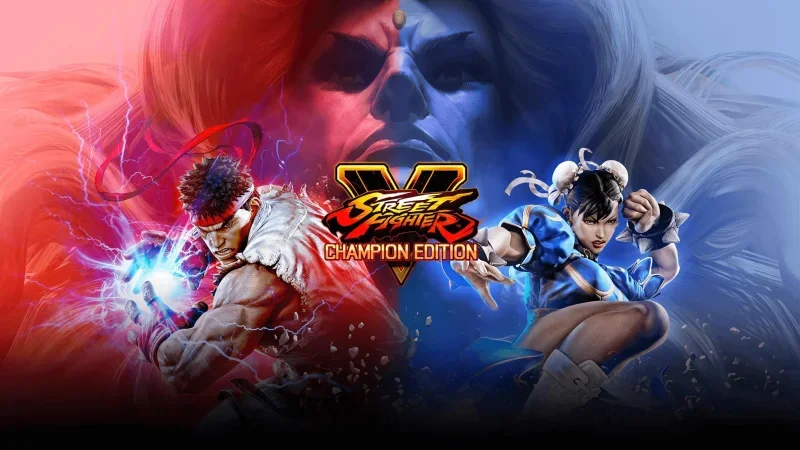
Capcom Pulls Street Fighter V from Stores and Disables Online Play
Capcom has delisted Street Fighter V from the PlayStation Store and Steam and suspended all online functionality for the PlayStation 4 and PC versions of the game, citing security vulnerabilities related to the PHP programming language used in its online infrastructure. The emergency maintenance was announced on October 27, 2026, via the official Street Fighter account on X, and affects content requiring an internet connection, including ranked matches, casual lobbies, and online hubs. Offline content, such as single-player modes and local versus play, remains accessible.
In its notice, Capcom stated that the shutdown is intended to "further strengthen security related to the PHP programming language" and that sales on both digital storefronts will be suspended in stages until the fix is complete. The company apologized for the inconvenience and asked for player patience but did not provide an estimated restoration date or confirm whether any player data was compromised. It also declined to specify whether the vulnerability had been actively exploited, leaving open the question of whether the shutdown is purely precautionary or a response to a specific security incident.
Scope of the Shutdown
The delisting affects both the PlayStation 4 and Steam versions of Street Fighter V, a game originally launched in February 2016. While the game remains playable for those who already own it, all online-dependent features—including ranked and casual matches, online training modes, and the game's online store—are unavailable. The emergency maintenance is ongoing, and Capcom has not indicated when services will be restored.
Context: A Troubled Online History and a Broader PHP Problem
The incident is the latest in a series of security and online stability issues for Street Fighter V. At launch, the game suffered from severe server problems that prompted a public apology from then-producer Yoshinori Ono. A later anti-cheat update for the PC version also raised security concerns before being rolled back. Despite these early stumbles, Street Fighter V went on to sell approximately 7.9 million copies, making it the best-selling entry in the series at the time, and sustained a dedicated competitive scene for years.
The current shutdown stems from PHP security issues exposed late last week, which caused widespread concern across systems running earlier versions of the PHP programming language. While newer systems have received updates, older platforms—such as the decade-old Street Fighter V—remain at risk. The timing is particularly sensitive for Capcom, as the company is still dealing with the aftermath of a data breach affecting its Capcom ID service, which was reported around the same period. That breach has not been officially linked to the Street Fighter V vulnerability, but the proximity of the two events may explain Capcom's cautious, tight-lipped approach to disclosing technical details.
Player Reaction and Frustration
The announcement drew immediate reaction from the fighting game community. Some players expressed frustration over the loss of online services, with one viral reply accusing Capcom of using the security issue as a pretext to push players toward Street Fighter 6. Others questioned the handling of user data, asking why email addresses were required if they could not be safeguarded. Capcom has not responded to these specific criticisms. The episode also echoes past incidents, such as the prolonged fix for Street Fighter X Tekken, which some players cited as a cautionary tale about Capcom's follow-through on maintenance promises.
Perspective: Security Lessons for Legacy Games
The Street Fighter V shutdown underscores a growing challenge for publishers maintaining online services for older titles. As legacy games continue to rely on outdated versions of server-side languages like PHP, they become increasingly exposed to vulnerabilities that have long been patched in modern systems. For Capcom, the decision to delist the game rather than leave it online reflects a risk-averse posture that prioritizes security over short-term sales—a trade-off that may become more common as aging online infrastructures reach end-of-life status.
The incident also highlights the tension between preserving access to legacy titles and protecting player data. While offline content remains available, the temporary loss of online play disrupts a dedicated community that still prefers Street Fighter V's mechanics and roster over its successor. Capcom's handling of the fix—and its transparency about the vulnerability—will likely shape player trust in how the company manages both legacy and current online ecosystems. For now, Street Fighter V players can enjoy arcade mode, but the wait for online restoration continues with no clear end in sight.
Comments