
Arrests and Waived Hearings Mark New Phase in Siders Child Abuse Case
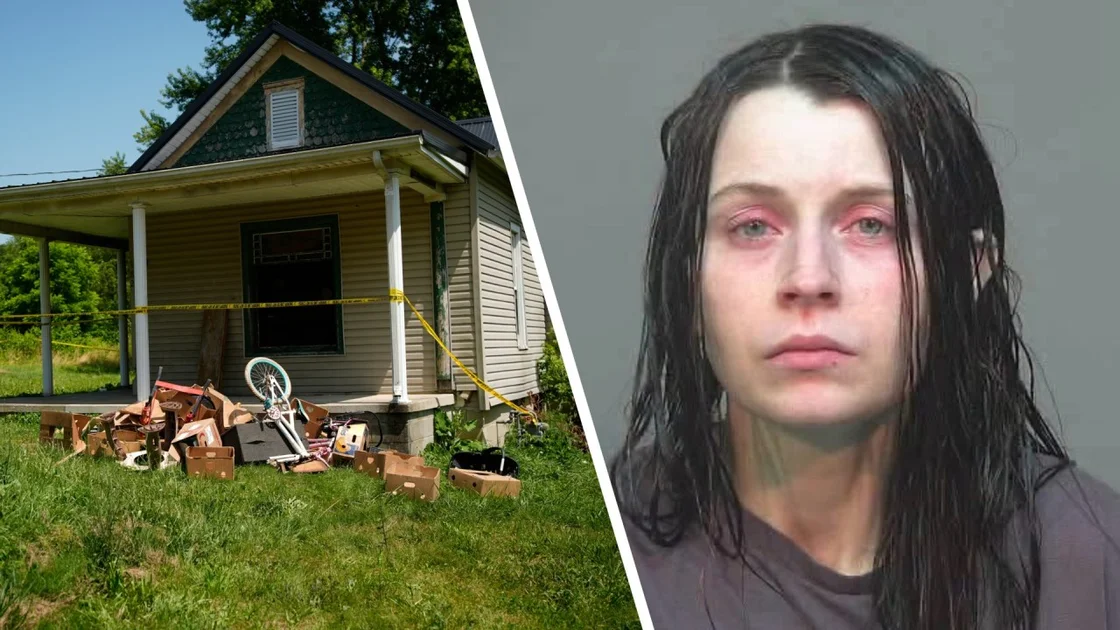
Four adults remain jailed after waiving their preliminary hearings on Tuesday, July 7, 2026, as the investigation into what authorities are calling the "Ohio horror house" deepens. Gary Siders Jr., Elizabeth Siders, Gary Siders Sr., and Christina Siders were arrested on June 30 in connection with the shocking discovery of 16 children living in deplorable conditions inside a 1,300-square-foot home in Vinton County, Ohio.
Investigators found the children—aged 18 months to 18 years—confined to a single 12-by-12-foot bedroom covered in human waste. First responders described the scene as a "den of evil," with Captain Jeremiah Griffith, who was among the first on the scene, recounting the horror of discovering children who appeared "almost feral" after what authorities believe was years of isolation and neglect.
What Happened on June 30
Law enforcement officials executed a search warrant at the rural residence following a tip that led them to the property. Inside, they found 16 children living without basic sanitation, adequate food, or access to the outside world. The single bedroom where the children were housed measured just 144 square feet—smaller than many master bedrooms—and was covered in feces and urine. Investigators reported that some of the children had never attended school or seen a doctor.
All four adults were taken into custody without incident and remain in the Vinton County Jail. On July 7, they waived their preliminary hearings, a procedural move that allows the case to proceed to a grand jury. Attorney Thomas Stolly, who represents Elizabeth Siders, cautioned the public to remember that his client is presumed innocent, stating that "the case is more complicated than many believe."
Community Shock and Response
The local community has been reeling since the news broke. Pastor James Dimel, a local Vinton County minister, described the house as a "den of evil" and expressed gratitude that the children were finally safe. "We have a lot of work to do to help these children heal," Dimel said in an interview. "But the first step was getting them out of there."
Captain Griffith echoed the pastor’s sentiments, noting that the scene was unlike anything he had encountered in his career. "You never expect to see something like this in your own community," he said. The children have been placed in the custody of child protective services and are receiving medical and psychological evaluations.
Inside the Ohio House of Horrors: The Scale of Neglect
The conditions inside the home have drawn comparisons to some of the worst cases of child abuse in recent American history. The 1,300-square-foot house, located on a rural road in Vinton County, had no working plumbing or heating, according to preliminary reports. Investigators found the children sleeping on dirty mattresses on the floor, with no proper bedding or furniture.
Health and Safety Concerns
Medical professionals who have examined the children report a range of health issues, including malnutrition, developmental delays, and skin infections. Several of the children had never received vaccinations or routine medical care. One child, aged 18 months, was found wearing a soiled diaper that had not been changed for days. The oldest child, 18, reportedly had the cognitive and social development of a much younger child, having been deprived of education and social interaction for years.
Attorney Stolly has indicated that he may argue that Elizabeth Siders was herself a victim of domestic abuse and coercion, though prosecutors have not commented on potential defenses. The case is expected to go before a grand jury within the next 30 days.
Broader Implications: A Pattern of Hidden Child Abuse
The Ohio house of horrors case is not an isolated incident. In recent years, similar cases have emerged across the United States, often involving children hidden from public view by parents or guardians who isolate them from school, medical care, and social services. Experts say these cases share common warning signs—children who never attend school, who are rarely seen outside the home, and who appear malnourished or unkempt.
Lessons from Past Cases
Notable cases include the Turpin family in California, where 13 children were found chained and starved in 2018, and the Hart family in Washington, where six children were killed in a murder-suicide in 2018. In each instance, neighbors reported seeing the children infrequently or not at all, yet the abuse went undetected for years.
Dr. Margaret Chen, a clinical psychologist specializing in child trauma, noted that children in such environments often develop severe attachment disorders. "These children may have never learned to trust adults or the world around them," she said. "Healing will take years, and some may never fully recover."
The Vinton County case has prompted calls for reform in child welfare systems, particularly in rural areas where resources are limited. According to data from the Ohio Department of Job and Family Services, Vinton County has one of the highest rates of child poverty in the state, and child protective services have long been underfunded.
Local Pastor and First Responder Speak Out
In the days since the rescue, local leaders have struggled to process the tragedy. Pastor Dimel, who has been working with the children and their foster families, described the emotional toll on the community. "We are a small, close-knit community," he said. "Something like this shakes you to your core."
Captain Griffith, who has served in law enforcement for over 20 years, said the experience has changed him. "I’ve seen a lot in my career, but this was different," he told reporters. "These children were invisible. They existed in a world of darkness, and now we have to help them find the light."
Both men have called for increased vigilance in reporting suspected child abuse. "If you see something, say something," Dimel urged. "These children had no voice. We have to be their voice now."
Legal Proceedings and What Comes Next
All four defendants are charged with multiple counts of child endangerment, and additional charges are expected as the investigation continues. The grand jury will decide whether to indict on felony charges, which could carry significant prison sentences if convicted.
Attorney Stolly’s comments suggest that the defense may focus on the role of Gary Siders Jr., whom investigators believe was the primary abuser. Court records indicate that Elizabeth Siders may have also been subjected to abuse, though prosecutors have not confirmed this. The case is being handled by the Vinton County Prosecutor’s Office, with assistance from the Ohio Attorney General’s Bureau of Criminal Investigation.
The children, meanwhile, are in protective custody and are receiving comprehensive care. Child advocates stress that the legal process, while important, is only part of the larger effort to help these children rebuild their lives. "Justice for these children means more than just putting the perpetrators behind bars," said Dr. Chen. "It means giving them a chance to grow up safe, loved, and healthy."
The Broader Trends: Systemic Failures and Calls for Reform
This case has reignited a national conversation about the failures of child protective services and the challenges of identifying hidden abuse. In Vinton County, a rural Appalachian region with a population of just over 13,000, social services are stretched thin. Child protective services workers in such areas often juggle caseloads that exceed recommended limits, leaving little time for thorough investigations.
What Experts Say Needs to Change
Advocates are calling for several reforms:
- Increased funding for child welfare in rural areas, where resources are scarce.
- Mandatory training for teachers, doctors, and law enforcement to recognize signs of hidden abuse.
- Better coordination between agencies to track children who are not enrolled in school or receiving medical care.
- Public awareness campaigns to encourage neighbors and community members to report suspicious behavior.
"This is not just a law enforcement issue; it is a public health issue," said Dr. Chen. "We need a societal commitment to protecting children."
The case also highlights the role of isolation in enabling abuse. The Siders home was located on a remote road, with no close neighbors. Investigators believe the children may have been hidden for years, possibly since birth in some cases.
A Community’s Healing Journey
The road to recovery will be long for the 16 children rescued from the Ohio horror house. But the outpouring of support from the Vinton County community and beyond has been encouraging. Donations of clothing, toys, and money have poured in, and local churches have organized meal deliveries for the foster families caring for the children.
Pastor Dimel remains hopeful. "These children are resilient," he said. "They have been through hell, but they are alive. And now they have a chance at a real life."
Captain Griffith echoed that sentiment. "We cannot undo what happened to them," he said. "But we can make sure it never happens again."
The case will continue to unfold in court in the coming months, but the immediate priority remains the well-being of the children. For a community still in shock, the first step toward healing is knowing that the children are safe.
For more details on the initial rescue, read our earlier report: 16 Children Rescued From Ohio Horror House Were ‘Almost Feral,’ Sheriff Says.
Comments