
Ofgem Launches Consultation on Market Stabilisation Charge
Ofgem, the UK energy regulator, has opened a consultation on reactivating its market stabilisation charge (MSC) to protect energy suppliers from sharp swings in wholesale gas and electricity prices. The move comes as the conflict in the Middle East continues to roil global energy markets, and with households already facing a 4% increase in the energy price cap from October 1.
The MSC is designed to prevent suppliers from collapsing if wholesale prices fall abruptly after they have bought energy in advance at higher prices. Under the mechanism, if wholesale prices drop below a certain threshold—reportedly more than 10%—any supplier that gains a customer through switching must pay compensation to the supplier that loses that customer. Ofgem stresses that the charge would not automatically raise customer bills and would only be triggered if wholesale prices fall sharply enough.
"We're preparing for what is likely to be a difficult winter for many households," said Neil Kenward, Ofgem's interim director general of markets. "While the energy market is stronger than it was during the energy crisis, volatility remains and the market stabilisation charge helps to protect consumers from that volatility." The consultation is short, and Ofgem plans to decide shortly after it closes, though no firm timetable has been set due to ongoing market volatility.
Martin Lewis Condemns 'Switching Penalty'
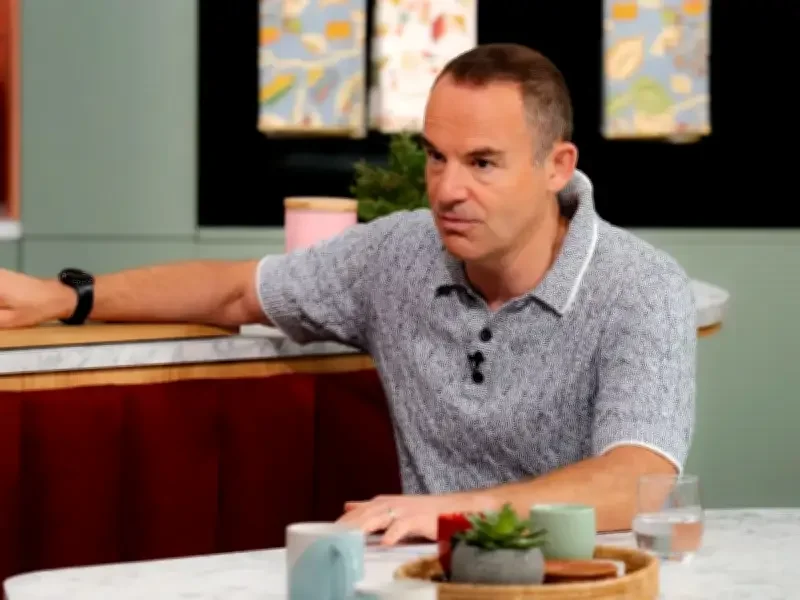
Consumer champion Martin Lewis, founder of MoneySavingExpert.com, has strongly criticised the proposal, calling it a "form of switching penalty" that would ultimately harm consumers. In a statement, Lewis warned: "In a nutshell, it means if wholesale energy prices drop sharply, the cheap fixes and switchers' deals offered will be a lot more expensive, in order to protect energy firms' profits. That's because any firm taking on a new customer, including on a cheap fix or other specialist tariff, will have to pay compensation to that customer's old supplier, if they switch. It's basically a form of switching penalty."
Lewis's criticism echoes his reaction in 2022 when the MSC was first introduced following Russia's invasion of Ukraine. At that time, he swore at the regulator on a press call and said the mechanism sold consumers "down the river" because it would deter competition. He later apologised for his "emotional rant" on X. Now, with the MSC potentially returning, Lewis argues that consumers will not benefit from falling wholesale prices because suppliers will have to hand over a significant portion of savings to rivals. "The new supplier can't pass a chunk of the saving from lower wholesale rates on to you, because it has to hand much of it to your old supplier," he said.
Background: The Market Stabilisation Charge
The MSC is a licence condition for domestic energy suppliers that was reintroduced in dormant form earlier this year. It is written into licences but has no effect until the regulator activates it. Unlike the previous iteration, which had an expiry date of March 2024, the current version has no expiry date, allowing Ofgem to switch it on or off without further licence modifications. The charge was last active from April 2022 to March 2024, a period when more than 30 energy companies went bust due to soaring wholesale prices.
Under the mechanism, the payment is triggered only if wholesale costs fall below a threshold. According to The Guardian, the MSC would be triggered if wholesale prices fall more than 10%, at which point suppliers who win customers would have to compensate rivals 85% of the drop in wholesale rates. Ofgem argues that without such a mechanism, suppliers that have hedged their customers' energy at high prices could face financial losses if large numbers of customers switch to cheaper fixed deals, potentially leading to supplier failures and market instability.
The Energy Market Context
The consultation comes amid a turbulent period for UK energy. Households have already been hit with a 4% hike to Ofgem's energy price cap from October 1, and forecasters warn that power bills could soar by almost another £300 from January. The conflict in the Middle East, particularly the Iran war, has contributed to volatility in wholesale markets, although European gas storage remains at 72%, according to ENTSOG, which deems the EU ready for winter.
The price cap protects households on default tariffs by smoothing changes in wholesale prices, but it also requires suppliers to buy energy in advance over a hedging period spanning several months. If wholesale prices drop abruptly, customers may leave the capped tariff for cheaper fixed deals, leaving the supplier that lost them to resell the pre-purchased energy at a loss. The MSC aims to offset part of that risk by transferring some of the cost to the supplier gaining the customer.
Ofgem's Kenward added: "In volatile market conditions, it's important that suppliers can continue to secure the energy their customers need without taking unsustainable risks. By acting now, we can help maintain a stable and resilient energy market and protect consumers from the costs and disruption that can arise when markets are volatile." However, critics argue that the MSC stifles competition and ultimately leads to higher prices for consumers.
Perspective: Balancing Stability and Competition
The debate over the MSC highlights a fundamental tension in energy market regulation: how to protect consumers from volatile prices while ensuring suppliers remain financially resilient. Ofgem's proposal reflects a cautious approach, aiming to prevent a repeat of the 2022 energy crisis when dozens of suppliers went bankrupt, costing consumers billions through higher bills. Yet Lewis's warning underscores concerns that the mechanism could dampen the very competition that drives innovation and lower prices.
As the UK heads into what is likely to be a difficult winter, with geopolitical tensions continuing to impact energy markets, the decision on whether to activate the MSC will have significant implications for both suppliers and households. Ofgem's consultation closes shortly, and a decision is expected in the coming weeks. For now, consumers are left weighing the promise of market stability against the potential loss of cheaper deals.
In a broader context, the move mirrors wider trends in European energy regulation, where regulators are seeking to balance market liberalisation with security of supply. The outcome of this consultation could set a precedent for how the UK manages future energy crises, and whether short-term stability measures come at the cost of long-term consumer benefits.
Comments