
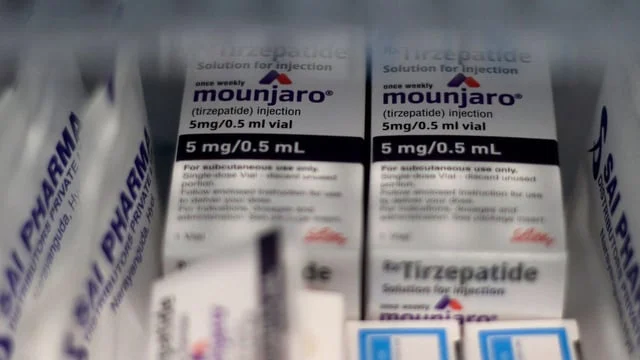
Patients at Risk as Local Funding for Mounjaro Prescribing Is Withdrawn Across England
Eligible patients in England may miss out on potentially life-changing weight-loss injections after an investigation found that most integrated care boards (ICBs) have withdrawn funding for GP services to prescribe and monitor the drug Mounjaro (tirzepatide). The inquiry, conducted by GP magazine Pulse, revealed that 21 of 36 ICBs have scrapped payments to practices for managing the medication, while a further nine never established a local enhanced service (LES) in the first place. Only four ICBs still retain such a service.
The findings, published on 23 November 2026, have raised alarm among patient groups and medical leaders, who warn that access to the drug is becoming a postcode lottery. Chris McCann, acting chief executive of Healthwatch England, said: “Many people describe a postcode lottery in access to NHS-funded weight-loss drugs. Depending on where they live, people can face very different routes to getting the medication, and in some areas access remains unclear while local commissioning arrangements are still being decided.”
National Funding Replaces Local Schemes, But GPs Say It Falls Short
The withdrawal of local funding follows the introduction of new Quality and Outcomes Framework (QOF) obesity indicators in April 2026 as part of the GP contract. NHS England says funding for tirzepatide support has been moved into the national contract, replacing varied local arrangements with a “clear, nationally funded approach” that gives practices a consistent framework and helps improve equitable access. However, the QOF scheme is voluntary, and GPs have told Pulse that the payments do not cover the actual costs of clinical assessment, safe prescribing and ongoing monitoring.
“The rollout of these medications happened at pace without recognising the extra work it creates for GPs,” said Dr Clare Bannon, chair of the BMA’s GP committee. “We are still learning about the side effects of these new medications, meanwhile patients require ongoing support and guidance throughout their treatment journey, which requires additional resource and provision for patients to receive timely care. Without additional funding, GPs are struggling to deliver this rollout and as a result patients who would be eligible are missing out.”
A Postcode Lottery in Access
The investigation highlights stark geographical disparities. Pulse’s FOI data shows that not only have most areas withdrawn services and funding as of this financial year, but nine ICBs never had a service in the first place and still do not have one. In some regions, NHS bosses have already warned patients that prescribing cannot be guaranteed. Cheshire and Merseyside ICB, for example, states that GP participation is optional and that meeting the eligibility criteria does not guarantee access.
The situation echoes warnings from last year, when The Guardian reported that thousands of patients in England were unable to access weight-loss jabs through their GP, with only 18 of 42 commissioning bodies having confirmed they had begun prescribing the drug. Since GPs were able to begin prescribing Mounjaro in 2025, access has been described as a postcode lottery, and the latest figures suggest the problem has worsened.
Clinical Concerns and Workload Pressures
Medical leaders have voiced concerns that the new arrangements may not adequately support the clinical work involved. Prof Victoria Tzortziou Brown, president of the Royal College of GPs, said the college recognises concerns that the new arrangements “may not adequately support the clinical work involved in assessing patients, prescribing safely and providing ongoing monitoring and follow-up.” She added: “It is vital that general practice is appropriately supported to deliver safe, high-quality care as part of any additional responsibilities associated with the rollout of weight-loss drugs in the NHS.”
Andy Brooks, clinical chair of the National Association of Primary Care, said people eligible for tirzepatide needed “a clear, properly resourced route to treatment and follow-up.” He added: “This illustrates the limits of paying for individual activities for complex problems, which require a far more coordinated approach.”
The Stakes: Life-Changing Treatment or Missed Opportunity?
Mounjaro, also known as tirzepatide, is part of a new class of GLP-1 receptor agonists that have been shown to deliver significant weight loss and improve outcomes for conditions such as type 2 diabetes and cardiovascular disease. For many patients with severe obesity, the drug can be life-changing. NHS England has been rolling out access in a phased way over 12 years, prioritising patients with the greatest clinical need, as set out in its interim commissioning guidance.
However, the withdrawal of local funding threatens to undermine that ambition. GPs say they are already struggling with workload pressures and are concerned that the voluntary QOF indicators do not provide enough resource to manage the complex needs of patients on the drug. The BMA has warned that the arrangements could become increasingly unsustainable as the NHS widens eligibility to more people over the coming years.
A Growing Divide in Obesity Care
The funding crisis comes amid a broader national conversation about obesity and the role of weight-loss drugs in the NHS. While the government has positioned Mounjaro as a key tool in tackling obesity, the reality on the ground is that access remains inconsistent. The postcode lottery is not limited to weight-loss jabs; similar issues have arisen with other new treatments, but the scale of the Mounjaro rollout and the numbers of patients affected make this particularly acute.
Healthwatch England’s McCann said patients had reported significant differences in their ability to obtain NHS-funded weight-loss drugs. “In some areas access remains unclear while local commissioning arrangements are still being decided,” he said. That uncertainty is likely to persist as ICBs finalise their local plans and as the voluntary nature of the QOF scheme means some practices may opt out.
What Happens Next?
The open question now is which ICBs still fund GP prescribing and monitoring of Mounjaro, and how long those payments will last. Pulse’s investigation suggests that only four ICBs retain a local enhanced service, leaving the majority of patients reliant on the voluntary QOF scheme. NHS England maintains that its national approach provides a consistent framework, but GPs on the front line say it is not enough.
The BMA has called for additional funding to cover the extra workload, and the Royal College of GPs has urged that general practice be appropriately supported. Without action, critics warn, the rollout could stall, and patients who meet the national criteria may continue to face barriers to access depending on where they live.
As the NHS grapples with winter pressures and ongoing workforce challenges, the funding row over weight-loss jabs is a test case for how new treatments are commissioned and delivered in general practice. For patients, the stakes are high: a treatment that could transform their health is at risk of being out of reach simply because of their postcode. The Department of Health and Social Care has not yet responded to requests for comment on the Pulse investigation.
Comments